Zambia: Government declares fuel supply situation an emergency
As the war in the Middle East continues to drive up fuel prices, the Zambian government has declared the current fuel supply situation an emergency.
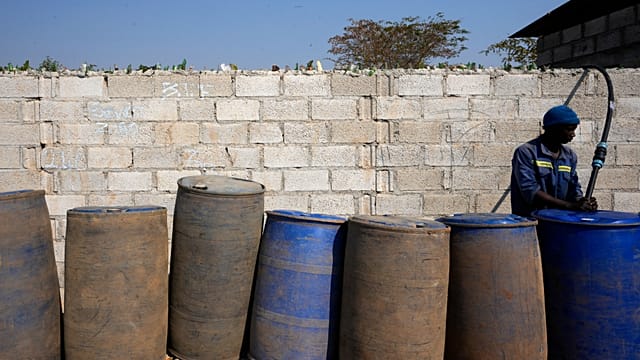
As the war in the Middle East continues to drive up fuel prices, the Zambian government has declared the current fuel supply situation an emergency. This move comes as a response to the escalating costs of fuel, which have become a significant challenge for both the government and its citizens. The declaration signifies the government's urgent need to address the issue and implement measures to stabilize the situation.
The conflict in the Middle East has had a ripple effect on global energy markets, leading to increased oil prices. This has directly impacted Zambia, a country heavily reliant on imported fuels. The rising costs have strained the economy, particularly affecting sectors such as transportation and agriculture, which rely heavily on fuel. The government has been monitoring the situation closely, recognizing the potential for widespread economic and social disruption if the crisis is not managed effectively.
In response to the emergency, the Zambian government has initiated several strategies to mitigate the impact of high fuel prices. One of the primary actions has been to engage with international partners and organizations to seek assistance. The government has reached out to the International Monetary Fund (IMF) and the World Bank, requesting support to help stabilize the economy and address the fuel crisis. Additionally, the government is exploring alternative sources of fuel to reduce its dependence on imports, which could help alleviate some of the pressure on fuel prices.
Domestically, the government has implemented measures to regulate fuel prices and ensure equitable distribution. Price controls have been put in place to prevent excessive price hikes, which could further exacerbate the crisis. Furthermore, the government is working to increase the efficiency of fuel distribution networks to ensure that fuel reaches all parts of the country, particularly remote and underserved areas. This is crucial, as uneven distribution can lead to shortages and black market activities, further destabilizing the situation.
The declaration of a fuel supply emergency also highlights the broader challenges faced by Zambia in terms of energy security. The country has been investing in renewable energy sources, such as solar and wind, to diversify its energy mix and reduce reliance on imported fuels. However, these initiatives require significant time and investment to become fully operational. In the meantime, the government is focusing on short-term solutions to manage the crisis and ensure the stability of the fuel supply.
The impact of the fuel crisis is not limited to economic concerns. Rising fuel prices have led to increased costs of living, particularly for low-income households. This has sparked concerns about social unrest and potential protests, as citizens struggle to make ends meet. The government is aware of these tensions and is taking steps to communicate transparently with the public, emphasizing the urgency of the situation and the measures being taken to address it.
In conclusion, the Zambian government's declaration of a fuel supply emergency underscores the severity of the challenges posed by the Middle East conflict and its ripple effects on global energy markets. The government is taking a multifaceted approach, engaging with international partners, implementing domestic regulations, and exploring alternative energy sources to manage the crisis. While the situation remains challenging, the government's proactive measures aim to stabilize the fuel supply and protect both the economy and its citizens from the worst impacts of the crisis.