Zahlen des ADAC: Diesel-Preis erreicht abermals Rekordwert
Auch am zweiten Geltungstag der neuen Spritpreis-Regeln hält der ADAC Rekorde an den Zapfsäulen fest. Finanzminister Klingbeil dringt auf weitere Maßnahmen.
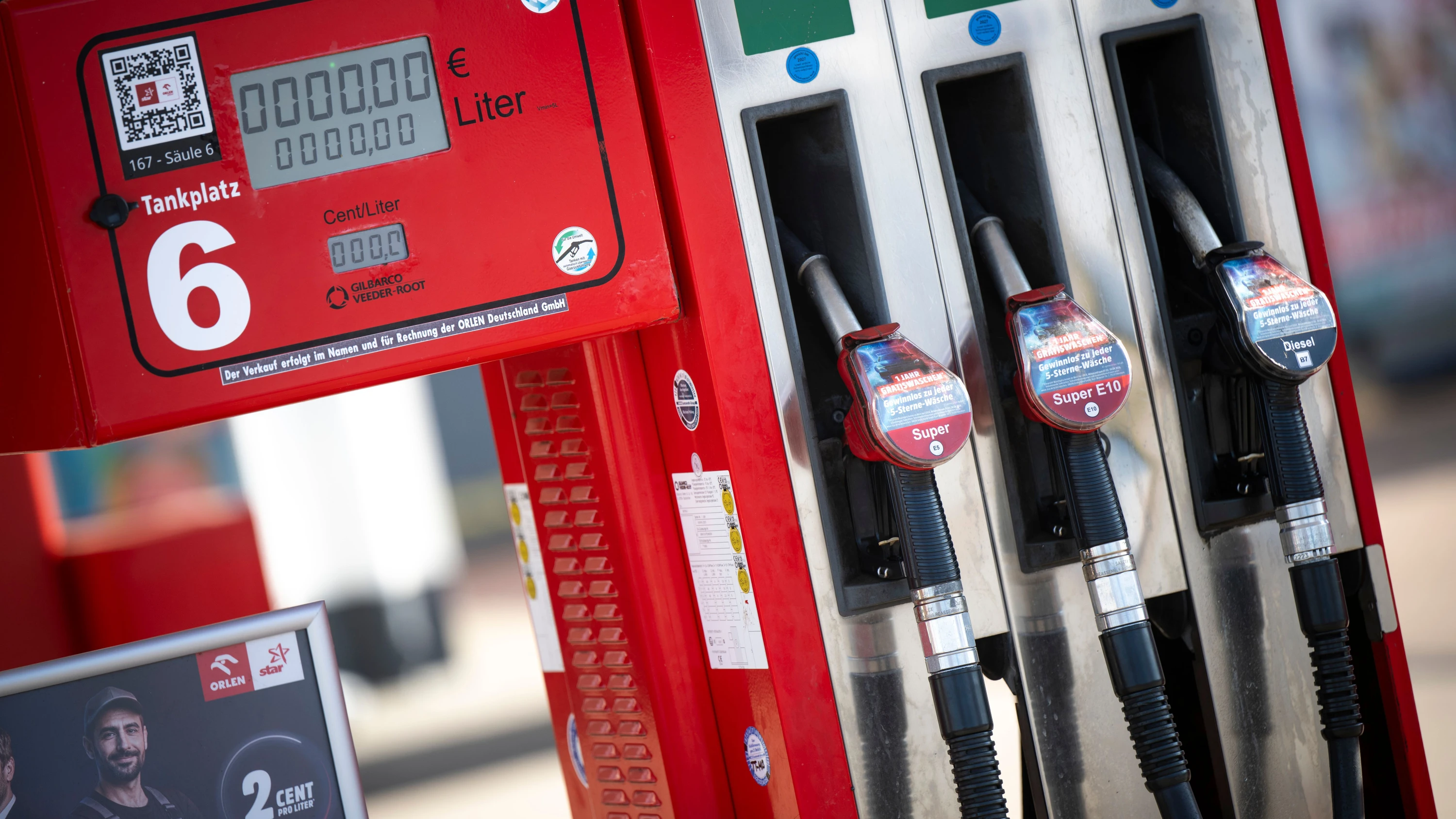
The ADAC reports that diesel prices have once again reached a record high on the second day of the new fuel price rules. The automotive club, known for its extensive monitoring of fuel prices across Germany, has documented a surge in diesel prices at gas stations nationwide. This development comes as a significant concern for motorists and policymakers alike, as the cost of fuel continues to escalate.
The new fuel price regulations, which took effect on Monday, were introduced in an effort to curb the rapid increase in fuel prices. However, despite these measures, the ADAC has observed that diesel prices have not only remained stable but have even risen in many regions. This unexpected outcome has raised questions about the effectiveness of the recent policy changes and the ability of the government to control fuel costs.
Finance Minister Klingbeil has called for further action to address the situation. In a statement, he emphasized the need for additional measures to ensure that fuel prices do not continue to spiral out of control. Klingbeil argued that the current regulations have not been sufficient to mitigate the impact of the global energy crisis on consumers in Germany. He urged the government to explore other options, such as adjusting taxes or implementing subsidies, to help alleviate the financial burden on drivers.
The rise in diesel prices has been a growing concern for many Germans, particularly those who rely on their vehicles for daily commutes or long-distance travel. The increased cost of fuel has been linked to a decline in consumer confidence and a shift towards alternative modes of transportation, such as public transit and electric vehicles. However, for many, the high prices remain a significant barrier to adopting more sustainable transportation options.
The ADAC's data highlights the ongoing challenges faced by the German government in managing fuel prices. While the recent regulations were intended to provide temporary relief, the continued upward trend in diesel prices suggests that a more comprehensive approach may be necessary. The situation has also sparked debates about the role of the state in regulating fuel markets and the potential impact of such interventions on economic stability.
In response to the rising prices, some experts have suggested that the government should consider reintroducing a temporary tax holiday or providing direct financial assistance to households affected by the high fuel costs. Others have argued that the focus should be on long-term solutions, such as accelerating the transition to renewable energy sources and investing in infrastructure for alternative fuels.
As the situation continues to evolve, Finance Minister Klingbeil's call for further action underscores the urgency of finding a sustainable solution to the escalating fuel prices. The challenge lies in balancing the need for economic stability with the imperative to address the environmental and social impacts of high fuel costs. The German government will likely face pressure to take decisive steps in the coming weeks, as the situation at the gas stations remains a focal point of public concern.
In conclusion, the ADAC's report of record diesel prices on the second day of the new fuel price rules has prompted calls for additional measures to tackle the issue. Finance Minister Klingbeil's emphasis on further action highlights the ongoing challenges faced by policymakers in managing fuel costs amid the global energy crisis. The situation not only affects motorists but also raises broader questions about the government's role in regulating fuel markets and the long-term sustainability of transportation policies in Germany.