
'You're a liar.' Why the world's biggest building boom has run into a wall in California
The blue-collar jobs to build AI infrastructure are moving outside of California
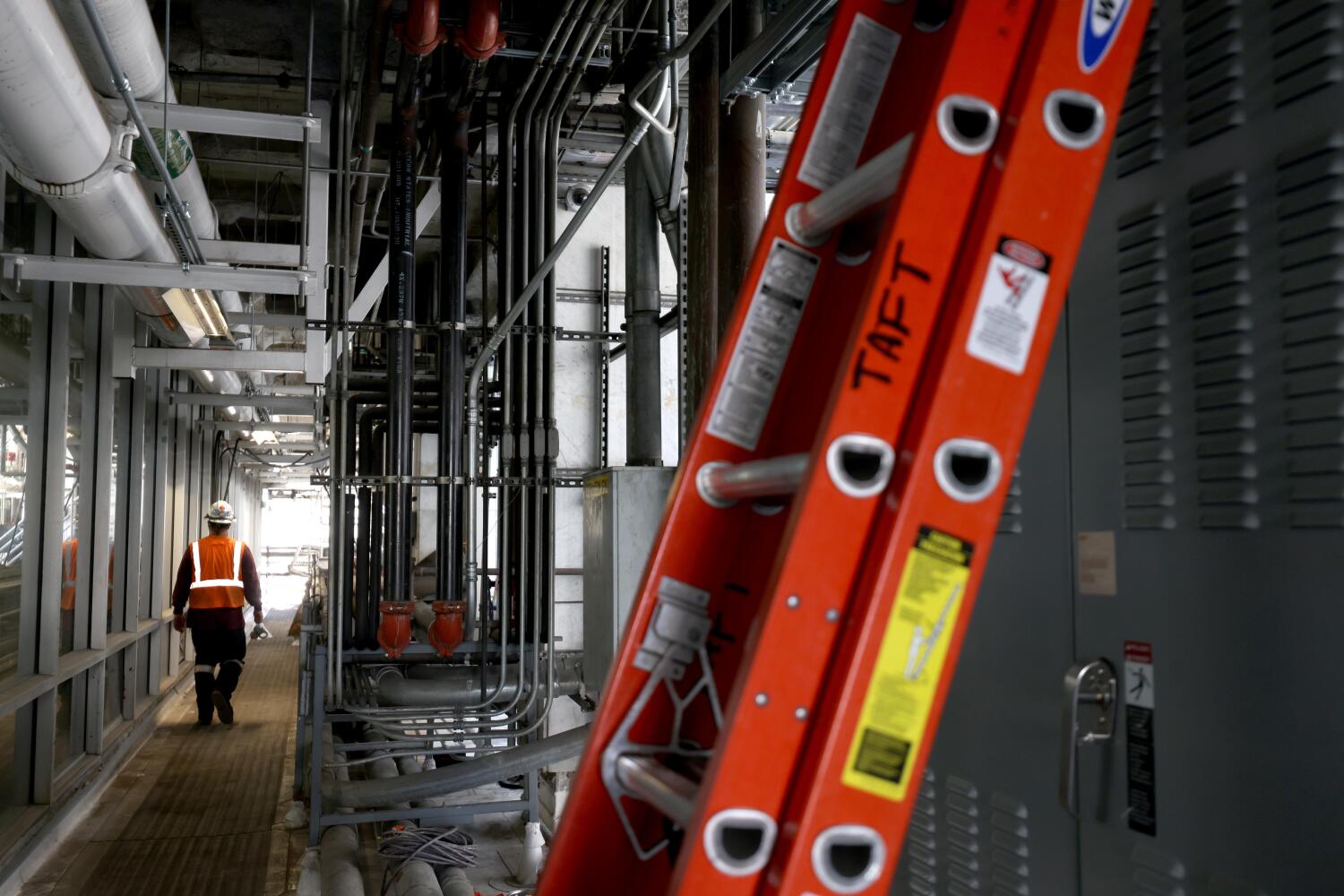
In recent years, California has been at the forefront of technological innovation, particularly in the realm of artificial intelligence (AI). The state's thriving tech industry, fueled by a combination of cutting-edge research, venture capital, and a highly skilled workforce, has positioned it as a global leader in AI development. However, as the world's biggest building boom in California has reached a critical juncture, the state is now facing a significant challenge: the exodus of blue-collar workers essential for constructing the infrastructure needed to support this technological growth.
The demand for AI infrastructure has skyrocketed as companies and startups race to build and deploy advanced systems. This has led to a surge in construction projects, from data centers to research facilities. Yet, despite the abundance of high-tech talent in Silicon Valley, the state is struggling to attract and retain the blue-collar workers required to build and maintain these facilities.
One of the primary reasons behind this trend is the rapidly escalating cost of living in California. The state's high housing prices and living expenses have made it increasingly difficult for workers in blue-collar jobs to afford a decent standard of living. As a result, many are choosing to relocate to other regions where the cost of living is more manageable.
Moreover, the competition for skilled labor in California has intensified, with other states and countries offering incentives to attract workers. For instance, Texas has been actively courting tech talent and infrastructure builders, offering tax breaks and other financial incentives. Similarly, countries like India and Vietnam have been attracting AI infrastructure projects due to their lower labor costs and a growing pool of skilled workers.
This shift is not without consequences. As blue-collar workers leave California, the state faces a shortage of labor in critical construction sectors. This shortage has led to delays in project timelines and increased costs for both public and private entities. Furthermore, the exodus of these workers threatens the state's ability to maintain and expand its AI infrastructure, which is vital for sustaining its position as a global AI hub.
The impact of this labor shortage is being felt across various sectors. Data centers, which form the backbone of AI infrastructure, require a significant workforce for construction, maintenance, and operations. Without sufficient labor, the expansion of these facilities is being hindered, potentially slowing down progress in AI research and development.
Additionally, the shortage of blue-collar workers is affecting the construction of research facilities and prototyping centers. These facilities are crucial for testing and refining new AI technologies. As a result, the pace of innovation in California may be impacted, as researchers and developers face challenges in accessing the necessary infrastructure to conduct their work.
The situation is further complicated by the fact that many blue-collar workers in California are immigrants or members of minority groups. The state's high cost of living disproportionately affects these communities, making it even more challenging for them to remain in the state. This demographic shift has broader implications for the state's social and economic fabric, as it contributes to an increasingly polarized society.
In response to this crisis, California has begun implementing policies aimed at retaining its blue-collar workforce. The state has introduced measures to increase the minimum wage, provide affordable housing options, and invest in vocational training programs to upskill workers. Additionally, local governments are exploring partnerships with community colleges and technical institutions to create pathways for workers to transition into higher-paying jobs in the tech sector.
Despite these efforts, the challenges faced by California are significant. The state's high cost of living and competition from other regions and countries pose formidable obstacles to retaining its blue-collar workforce. The consequences of this labor shortage could be far-reaching, potentially jeopardizing California's position as a global leader in AI innovation.
As the world's biggest building boom in California faces this daunting challenge, the state must find sustainable solutions to address the labor shortage. By investing in affordable housing, vocational training, and competitive wages, California can work towards retaining its blue-collar workforce and ensuring the continued growth of its AI infrastructure. The success of these initiatives will be crucial in determining whether the state can overcome this obstacle and maintain its status as a pioneer in the AI industry.
In conclusion, the world's biggest building boom in California has encountered a significant hurdle in the form of a labor shortage for blue-collar workers. The state's high cost of living, competition from other regions, and the need for affordable and skilled labor are pushing workers to relocate. This exodus threatens the state's ability to build and maintain the AI infrastructure necessary for its technological growth. To address this challenge, California must implement effective policies to retain its workforce and invest in the necessary infrastructure to support its AI industry. The outcome of these efforts will have a profound impact on the state's future and its role in shaping the global AI landscape.









