Your Data Doesn’t End at the Lab, It Shows Up in the Field
Seed testing decisions often rely on germination percentage alone, but field performance depends on more. This rye case showed how abnormal seedlings, Fusarium pressure, and seed stress can signal hidden risk despite acceptable germination results. Iowa State University Seed Science Center helps growers interpret seed quality data more fully, improving management decisions, stand establishment, and real-world crop performance. The post Your Data Doesn’t End at the Lab, It Shows Up in the Field appeared first on Seed World .
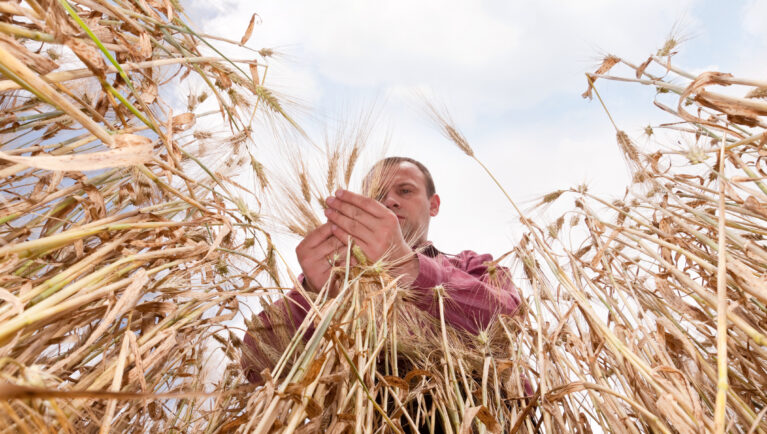
In the world of agriculture, seed testing plays a crucial role in determining the quality of seeds before planting. However, the decisions made based on these tests often rely on a single metric: germination percentage. This number, which indicates how many seeds produce normal seedlings under ideal conditions, is a straightforward and standardized measure. Yet, it can be misleading when it comes to predicting real-world field performance.
A recent case involving rye seeds highlighted the limitations of relying solely on germination percentage. The first year, the rye stand showed uneven growth and slower establishment than expected. While weather conditions, planting timing, and variability from cover crops were considered as potential factors, the seed itself was not immediately suspected. To address the issue, the seed was submitted for testing, and the results appeared within acceptable ranges. However, the standard report did not delve deeper into other critical factors that could impact field performance.
What often goes unreported are the abnormal seedlings and the patterns behind what failed. Additionally, the presence of fungi observed during testing is rarely described in a way that connects to field performance. In this rye case, there were signs of Fusarium pressure and indicators of stress during seed development, likely influenced by weather conditions. These factors do not always push germination out of specification but can still manifest in the field.
Instead of relying on a one-dimensional view of seed quality, the Seed Science Center at Iowa State University emphasizes the importance of interpreting seed quality data more comprehensively. By examining abnormal seedlings, fungal presence, and stress indicators, growers can make more informed management decisions, leading to better stand establishment and overall crop performance.
The rye case underscores the need for a more holistic approach to seed testing. While germination percentage is a necessary and standardized metric, it is not the only factor that determines field success. By considering additional data points, such as the presence of fungi and stress indicators, growers can identify hidden risks and make adjustments to their planting strategies.
For instance, in the rye example, the presence of Fusarium pressure could carry forward if the infected seed was saved and replanted. This realization prompted a discussion about alternative options, such as increasing seeding rates to offset potential losses. By taking a broader view of seed quality data, growers can mitigate risks and optimize their crop outcomes.
In conclusion, the story of the rye seeds serves as a reminder that seed testing data extends beyond germination percentage. By analyzing abnormal seedlings, fungal presence, and stress indicators, growers can make more informed decisions, leading to improved stand establishment and real-world crop performance. The Seed Science Center at Iowa State University is helping farmers interpret seed quality data more fully, ensuring that their efforts in the field are supported by a comprehensive understanding of their seeds' potential.