
“You will always be 0% prepared”: Ukraine’s refugees on life far from home
Interviews with some of those forced to leave following Russia’s invasion
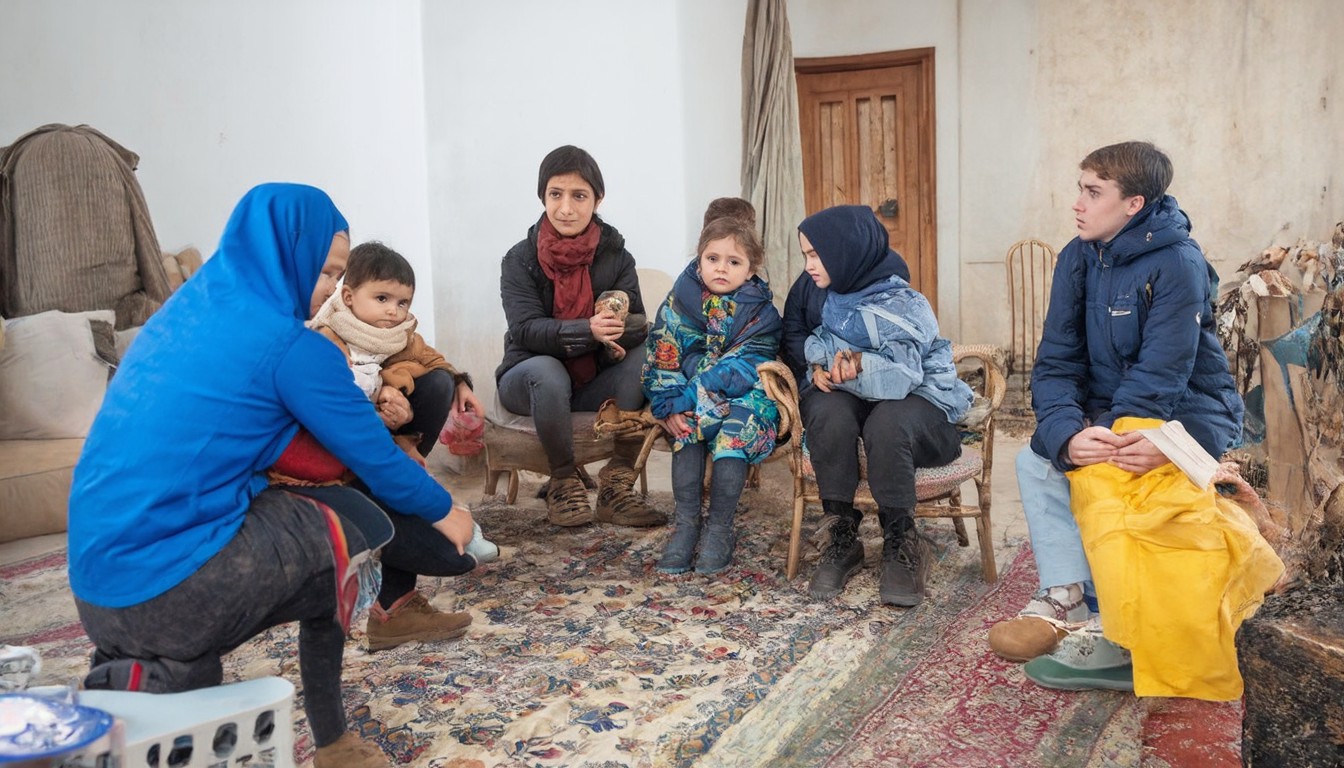
In the aftermath of Russia’s invasion, Ukraine’s refugees have found themselves navigating a world far removed from their homeland. As they settle into new countries, these displaced individuals grapple with the challenges of adapting to unfamiliar cultures, languages, and systems. The phrase “You will always be 0% prepared” has become a mantra for many, as they confront the unpredictability of their new realities.
The journey for Ukrainian refugees has been marked by hardship and resilience. Many were forced to leave abruptly, carrying only the clothes on their backs and the hope of a safer future. Interviews with some of these individuals reveal a shared sense of dislocation and uncertainty. “I never thought I’d leave Ukraine,” says Olena, a 35-year-old teacher from Kyiv, now living in Poland. “But when the bombs started falling, I had no choice.”
Language barriers often present the first obstacle. For those unfamiliar with the local tongue, communication becomes a struggle. “I’m learning Polish, but it’s hard,” admits Olena. “Sometimes I feel like I’m invisible because I can’t express myself.” Despite these challenges, many refugees find solace in community. Ukrainian support groups and networks help them connect with others in similar situations, fostering a sense of belonging in a foreign land.
The search for work is another significant hurdle. Many refugees lack the necessary qualifications or language skills to secure employment. “I’m a nurse back home,” says Yevhen, a 42-year-old from Kharkiv, now working as a factory worker in the Czech Republic. “Here, my degree doesn’t mean much. I’m grateful for any job I can get.” The informal economy often becomes a lifeline for those unable to find formal employment, but it comes with its own set of risks and instability.
Education poses unique challenges for Ukrainian children and teenagers. Adjusting to new curricula and cultural norms can be daunting. “My daughter is so homesick,” says Larysa, a mother of two from Mariupol, now in Germany. “She misses her friends and the school she loved. But she’s trying to make the best of it.” Schools and communities around the world have stepped up to help, offering language classes and support programs to ease the transition.
Despite the difficulties, many refugees express gratitude for the warmth they’ve received from host communities. “The Poles have been amazing,” says Olena. “They’ve welcomed us with open arms and helped us find housing and work.” Such acts of kindness remind refugees that, while their circumstances are far from ideal, they are not alone.
As Ukraine continues to endure the devastation of war, the lives of its refugees are a testament to resilience and adaptability. The phrase “You will always be 0% prepared” underscores the unpredictability of their journey, but it also highlights their determination to rebuild their lives. Through perseverance and support, these individuals are carving out new futures, far from the home they once knew.








