Yemen’s civilians fear fallout after Houthis enter Iran war
Fears of air strikes and rising prices dominate everyday life in Sanaa as Yemen becomes embroiled in regional conflict.
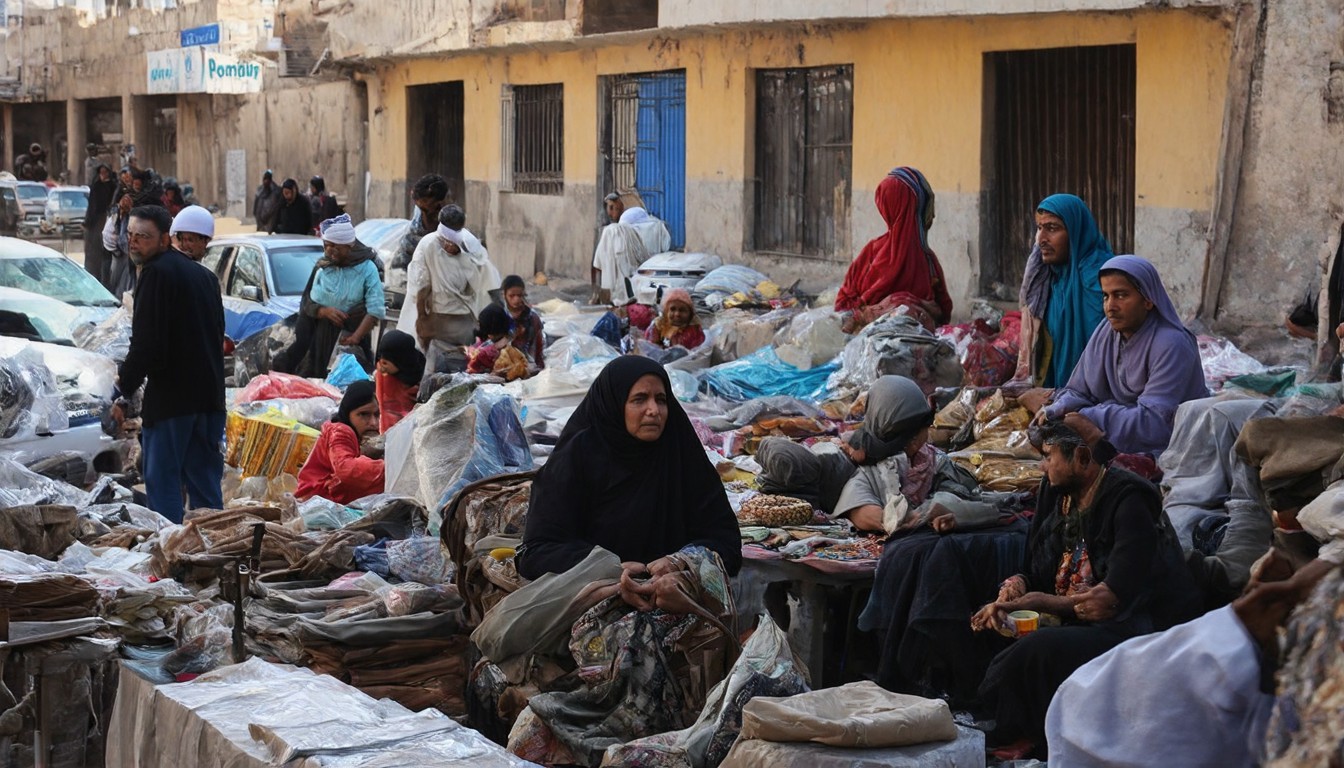
As Yemen's capital, Sanaa, braces for potential air strikes and grapples with soaring prices, the city has become a focal point of regional tensions. The escalating conflict between Iran and Saudi Arabia, which has long influenced Yemen's internal strife, has now drawn the war-torn nation deeper into the fray. With the Houthi rebels, who control much of the country, aligning more closely with Iran, Yemenis face a new layer of uncertainty and hardship.
The Houthi rebels' decision to side with Iran in the broader regional conflict has intensified fears among civilians. Residents of Sanaa, already traumatized by years of war and economic devastation, now worry about the possibility of direct military action. The city, which has endured airstrikes and shelling in the past, is once again on edge. Families are stockpiling essentials, and schools and public buildings are being fortified in anticipation of potential attacks.
"We don't know what will happen next," says a mother of two in Sanaa, her voice trembling as she packs supplies. "The air is thick with fear. We're all waiting for the next bomb to fall."
In addition to the immediate threat of air strikes, Yemenis are also grappling with soaring prices. The conflict has disrupted trade routes and supply chains, leading to a shortage of basic goods. Wheat, rice, and other staples have become increasingly expensive, pushing many families into deeper poverty.
"I can't afford to feed my children," laments a vendor in a bustling market, his stall stocked with dwindling supplies. "The cost of living here is killing us."
The economic strain is exacerbated by the ongoing civil war, which has left millions without access to healthcare, education, and other essential services. With international aid dwindling and the economy in shambles, many Yemenis are struggling to survive.
The regional conflict, which has seen Iran and Saudi Arabia supporting opposing sides in Yemen, has also led to a complex web of alliances and rivalries. The Houthi rebels, who seized control of Sanaa in 2014, have been bolstered by Iranian support, including military training and weapons. This has alarmed Saudi Arabia and its allies, who have been conducting airstrikes and blockading Yemen since 2015.
The involvement of regional powers has deepened the crisis, making it a complex and volatile situation. With no clear path to peace, the future of Yemen remains uncertain. The humanitarian situation is dire, and the lives of millions hang in the balance.
Despite the challenges, some Yemenis cling to hope. Activists and community leaders are working tirelessly to provide aid and support to those in need. They are rallying for an end to the conflict and urging the international community to take action.
"We need the world to see what's happening here," pleads a local activist. "We need help. We need peace. We can't keep living like this."
As Yemen's civilians brace for the fallout of the regional conflict, the stakes could not be higher. The lives of millions are at risk, and the future of the nation hangs in the balance. Only time will tell whether the region's powers can find a path to de-escalation and avert further devastation.