
Writing us back from the brink
Researcher shares insights on letters exchanged by Kennedy and Khrushchev during Cuban Missile Crisis.
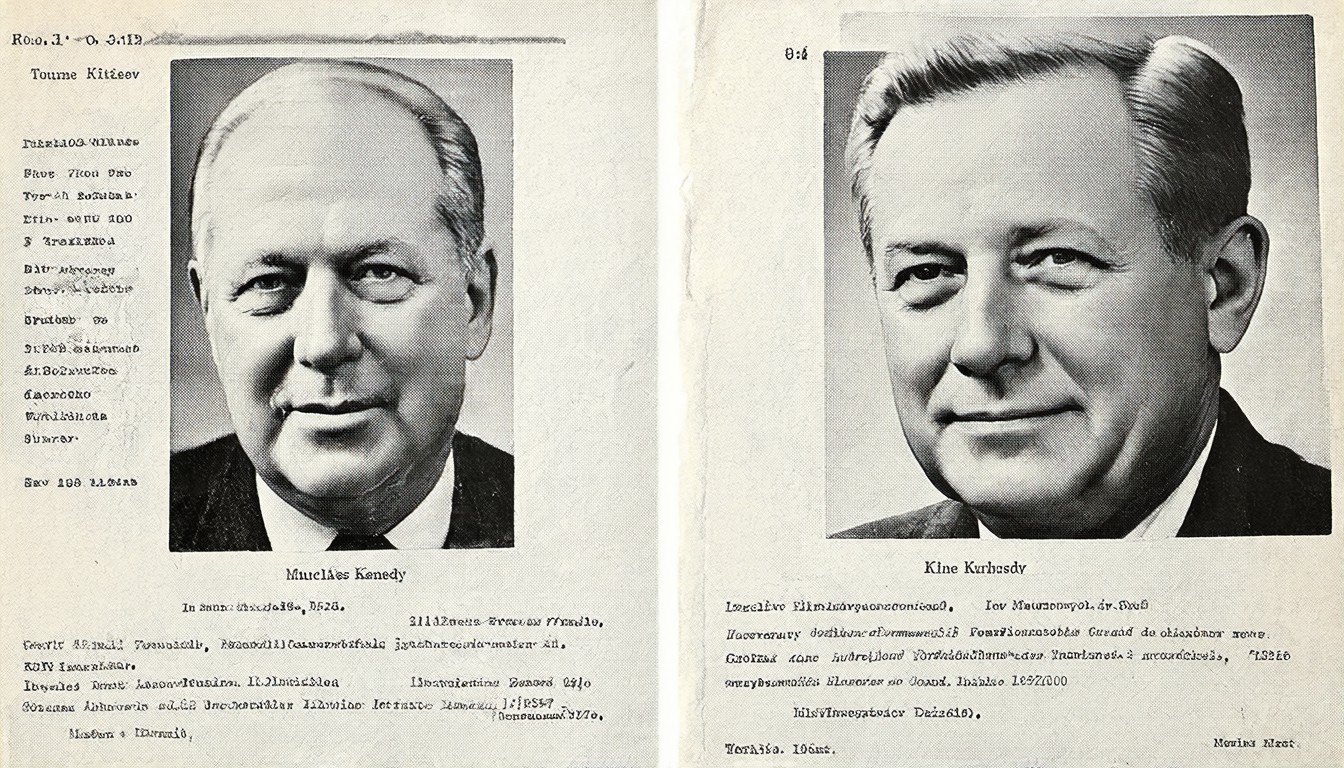
In the shadow of nuclear war, the Cuban Missile Crisis of 1962 stands as a pivotal moment in history, where the United States and the Soviet Union faced off in a tense standoff that brought the world to the brink of catastrophe. For Dmitry Yakushkin, a researcher and former press secretary for Russian President Boris Yeltsin, this crisis remains a critical case study in conflict resolution. Yakushkin recently spoke at the Davis Center, sharing insights from his upcoming book, which delves into the negotiations between President John F. Kennedy and Soviet leader Nikita Khrushchev.
During the 13-day confrontation, from October 16 to 28, the two leaders exchanged a total of 10 letters, including a six-page dispatch from Khrushchev to Kennedy. These communications provided a unique window into the minds of the leaders navigating this perilous situation. The crisis ultimately ended when the Soviets agreed to remove their missiles from Cuba in exchange for a U.S. promise not to invade the island and a secret pledge from Washington to remove U.S. missiles from Turkey.
Yakushkin emphasized the importance of these exchanges, highlighting the responsibility and fear for the world that motivated the political leaders involved. “Their interaction proves that you can talk yourself out of everything if you put in the effort,” he said. “It’s better to start talking than firing because after firing, it will be much more difficult, in some cases, maybe even impossible, to talk.”
In the heat of the crisis, Khrushchev sought to maintain his image as a strongman, Yakushkin noted. However, the Soviet leader’s private concerns for the fate of humanity became evident later, particularly through books written by his son, Sergei. Meanwhile, Kennedy had been vocal about his hope to prevent a nuclear war, a sentiment that guided his decisions throughout the crisis.
Yakushkin’s research, which has also informed a course on conflict resolution he teaches at the University of Tel Aviv, underscores the value of dialogue and diplomacy in resolving even the most volatile situations. The letters exchanged between Kennedy and Khrushchev offer a stark reminder of the potential consequences of unchecked aggression and the necessity of open communication in maintaining global stability.
As we reflect on the lessons of the Cuban Missile Crisis, Yakushkin’s insights serve as a cautionary tale and a call to action for contemporary leaders. The ability to engage in meaningful dialogue, even in the face of adversity, remains a critical tool for preventing the kind of catastrophic conflicts that nearly brought an end to the world in 1962. By learning from history, we can better navigate the challenges of our time and work towards a future where diplomacy triumphs over destruction.









