
Writing Crystalized Thinking At Amazon. Is AI Muddying It?
Amazon’s famously writing-centric culture is being aided by generative AI. What does that say about the company’s culture, priorities, and future?
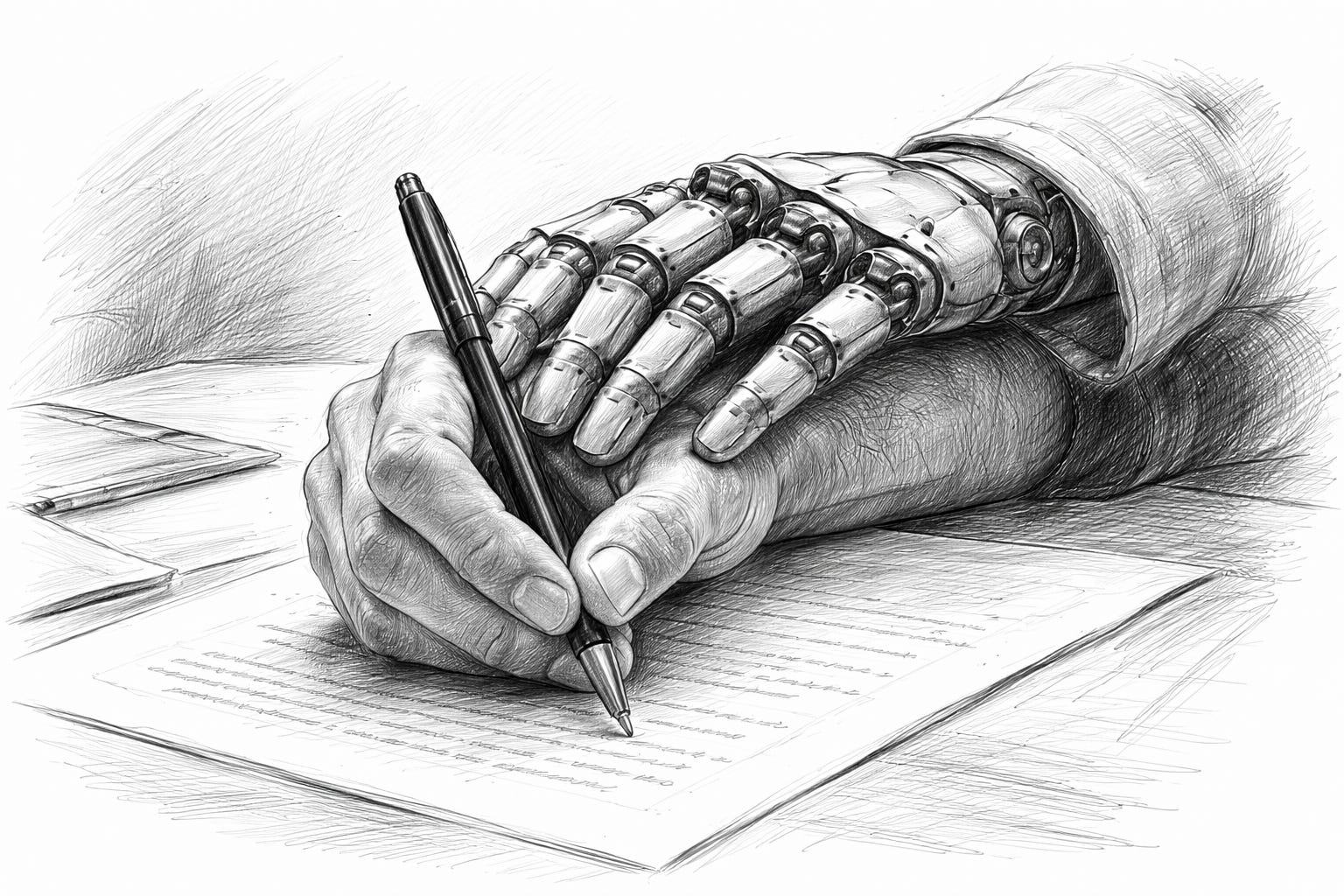
Amazon's writing-centric culture, once a cornerstone of its deliberative and thoughtful approach to business, is undergoing a significant transformation. The company, known for its emphasis on written communication and the importance of clear, concise narratives, is now embracing generative AI as a tool to aid its employees in crafting these documents. This shift raises questions about the future of Amazon's culture, its priorities, and the very essence of being "Amazonian."
For years, Amazon's writing culture was a sacred practice. Meetings began with a six-page narrative, typically written by the project lead, which was read in silence before any discussion took place. This written word was not just a formality; it was a method to crystallize thinking, anticipate every scenario, and ensure that the team was on the same page. Jeff Bezos, the company's founder, once famously said, "The document should be written with such clarity that it's like angels singing from on high." He preferred a crisp document over a messy meeting, and this approach became a hallmark of Amazon's culture.
However, as Amazon enters its AI era, the company's leadership is encouraging employees to leverage generative AI tools to assist in the writing process. Cedric, Amazon's internal ChatGPT-style tool, is marketed as a way to generate six-page narratives in seconds. This development has profound implications for the company's culture, as evidenced by the reactions of current employees, ranging from Bezos-era veterans to newer hires.
Many employees expressed concern that Amazon is losing sight of the centrality of writing in its deliberative culture. One longtime veteran remarked, "Writing is thinking. That was the whole point of Amazon's writing culture. I can't tell you how many times I changed my mind when writing a narrative. And even when I didn't, my arguments were more precise for having written them down. Now we have chatbots writing six-pagers to be summarized by other chatbots."
Despite the enthusiasm for AI tools, even those who supported their use described Cedric and other internal AI tools as "comically inadequate." For security reasons, Amazonians are not allowed to use external tools like ChatGPT, which has limited the effectiveness of these AI assistants. Employees have reported that the AI-generated documents often require significant revisions to meet the company's high standards.
The pressure to use these inadequate tools has created a sense of unease among some employees. While AI has the potential to streamline the writing process and free up time for more strategic thinking, there is a growing worry that the company's commitment to its writing culture is waning. The essence of being "Amazonian" – a culture built on deliberation, clarity, and the power of written communication – is being tested as the company navigates the complexities of integrating AI into its operations.
As Amazon continues to explore the possibilities of AI in its writing practices, the company faces a delicate balance. It must strike a chord between embracing new technologies and preserving the values that have defined its culture for decades. The challenge lies in ensuring that AI enhances, rather than diminishes, the thoughtful and deliberative approach that has been a hallmark of Amazon's success. Only time will tell whether the company can successfully harmonize its AI ambitions with its enduring writing culture.









