
Would you really die for your country?
Military conscription is on the agenda in the rich world
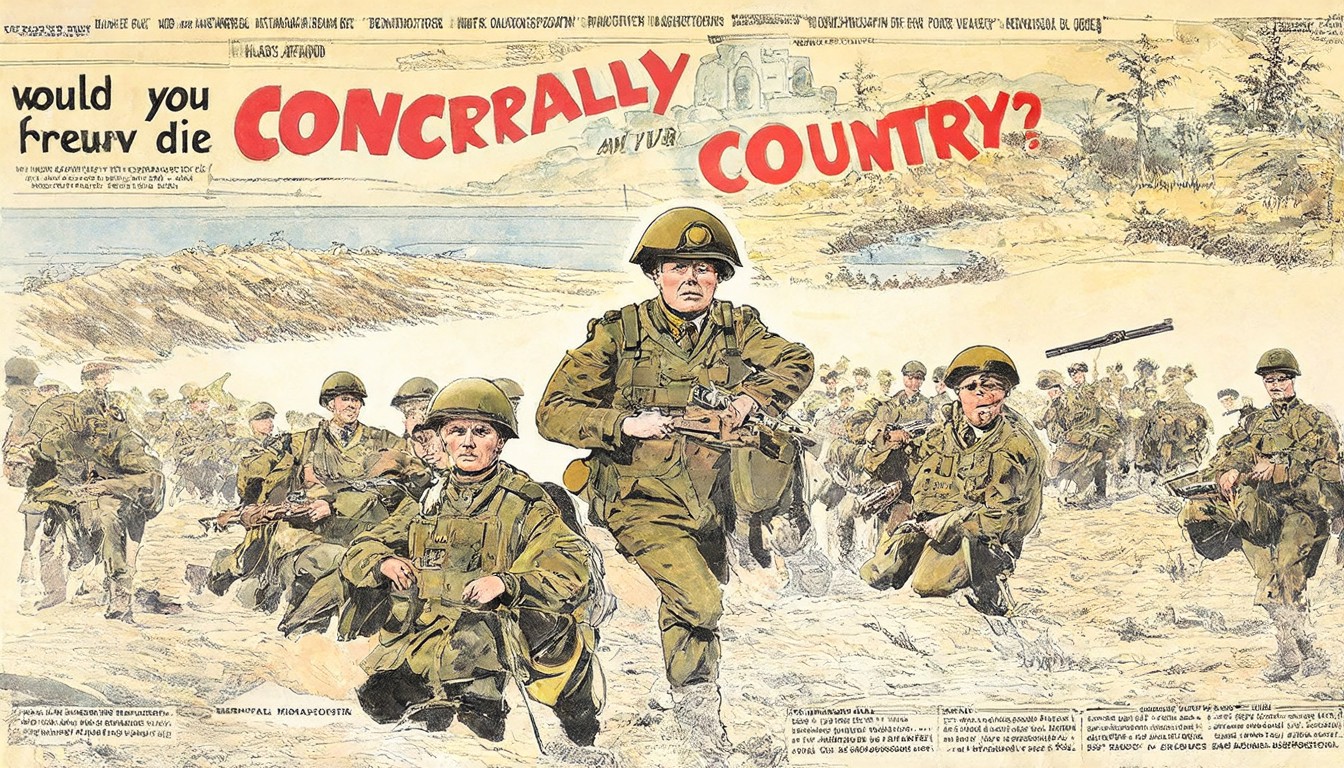
In recent years, the idea of military conscription has resurfaced in several countries, particularly those in the wealthy and developed world. This shift in policy is prompting a renewed debate about the role of national service in maintaining security, fostering unity, and ensuring a robust defense force. As countries grapple with the complexities of modern warfare and the need for a more resilient military, the question of whether conscription is a viable solution is being asked more frequently.
The push for conscription is driven by a variety of factors. In many cases, it stems from a desire to bolster military readiness in the face of growing global threats. With the rise of hybrid warfare tactics and the increasing sophistication of adversaries, nations are recognizing the importance of a large, well-trained reserve force. Conscription provides a way to ensure that a significant portion of the population is familiar with military operations, which can be crucial in times of crisis.
Moreover, conscription can be seen as a means of promoting social cohesion. By requiring young adults to serve their country, nations hope to instill a sense of national identity and shared purpose. This can be particularly important in countries with diverse populations, where military service might help to foster unity and understanding among different groups.
However, the idea of conscription is not without its critics. Many argue that it is an outdated system that does not align with modern values of individual freedom and choice. Opponents of conscription contend that it can lead to resentment and disillusionment among those who are forced to serve, potentially undermining the morale and effectiveness of the military.
In addition, there are practical concerns about the feasibility of implementing conscription in today's world. Many countries have already transitioned to professional armies, and reintroducing conscription would require significant changes to military structures and training programs. There is also the question of how to manage the logistics of drafting and integrating large numbers of conscripts into the military system.
Despite these challenges, some countries have already begun exploring the possibility of reintroducing conscription. For example, in Sweden, which has a long history of military service, there has been growing support for expanding its voluntary conscription program to include more citizens. Similarly, in Australia, there has been a renewed call for a form of national service, particularly in light of the country's growing security concerns in the Asia-Pacific region.
In Israel, conscription has long been a cornerstone of national defense, with both men and women required to serve in the military for a period of time. This system has been credited with creating a highly capable and dedicated force, as well as instilling a strong sense of national identity among its citizens.
The debate over conscription is not limited to the rich world, but it is particularly relevant in countries with the resources and infrastructure to support such a system. In poorer nations, the focus is often on building professional armies with limited resources, while wealthier countries may have the capacity to experiment with alternative models of military service.
Ultimately, the decision to implement conscription hinges on a delicate balance of security needs, social cohesion, and individual rights. As nations grapple with these complexities, the question of whether conscription is the right path forward remains unanswered. What is clear, however, is that the debate will continue to shape the future of military service and national defense in the years to come.









