Worry eats into traders as ‘Bikaneri bhujia’ takes a hit amid US-Iran war
The ongoing war has created worries for Bikaner traders involved in export of snacks, spices to the Gulf as uncertainty rises over delivery timelines
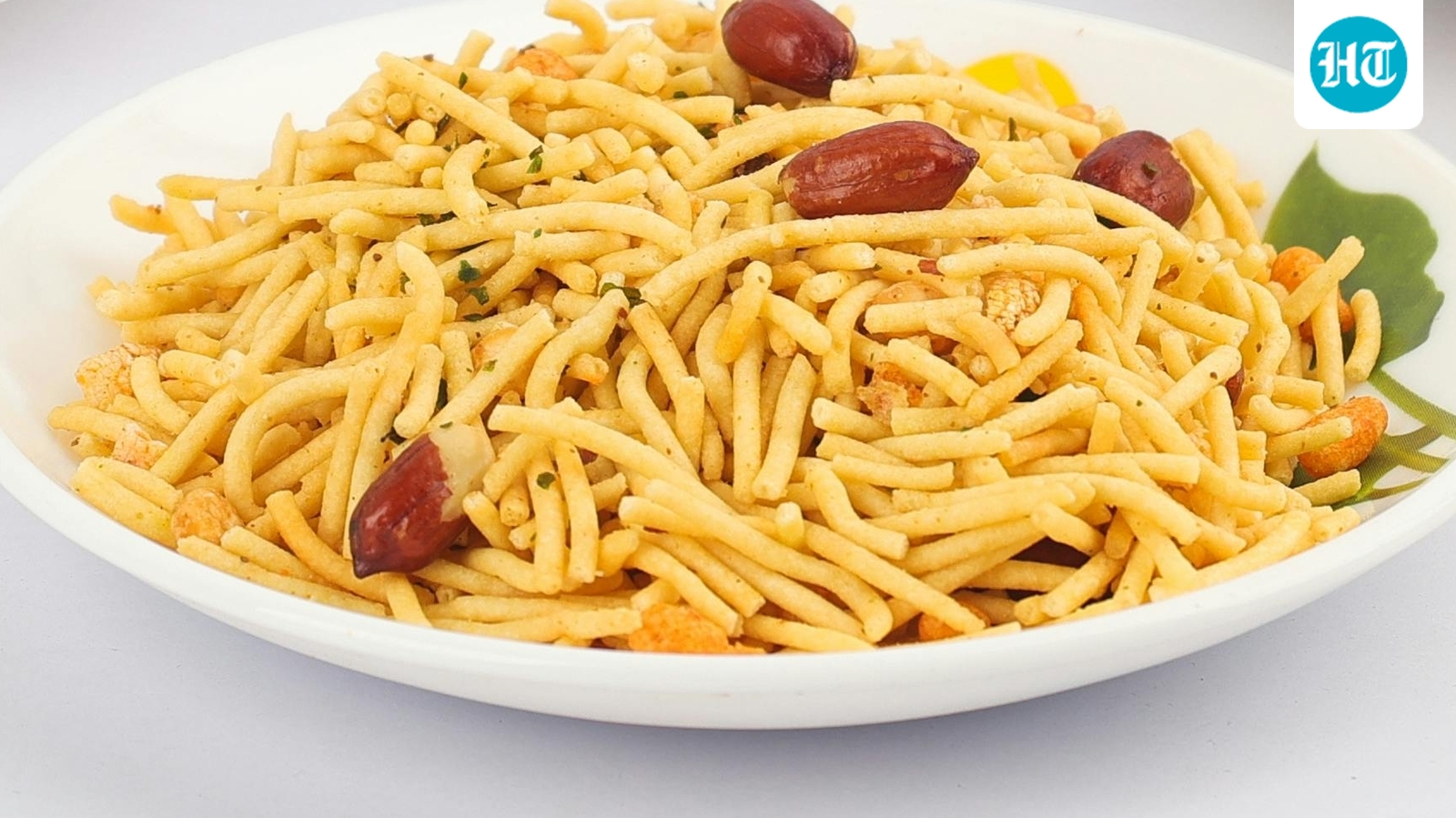
The ongoing US-Iran war has sent ripples of concern through the small town of Bikaner in Rajasthan, as local traders who specialize in exporting snacks and spices to the Gulf region face mounting uncertainties. At the heart of this turmoil is the popular Bikaneri bhujia, a crispy, spicy snack that has long been a favorite among Gulf nations. Traders in Bikaner, a city known for its vibrant textile industry and traditional sweets, are now grappling with the potential impact of the geopolitical tensions on their livelihoods.
Bikaneri bhujia, a snack made from a mixture of wheat flour, spices, and oil, has been a staple in the Gulf markets for decades. The region's love for this crunchy delicacy has made it one of the key exports from Bikaner. However, the escalating conflict between the US and Iran has cast a shadow over the delivery timelines and safety of these goods. Traders are now worried about the potential disruption of supply chains and the increased risk of their products getting stuck in transit.
The US-Iran war has not only heightened security concerns but has also led to increased tensions in the Strait of Hormuz, a crucial chokepoint for global oil and maritime trade. This has raised fears among traders that their shipments could be delayed or even diverted, leading to financial losses and damaged reputations. Many Gulf countries, which are major importers of Bikaneri bhujia, have become more cautious in their trade decisions, further exacerbating the situation for Bikaner traders.
The impact of the US-Iran war on Bikaner's bhujia exports is a stark reminder of how global geopolitical tensions can ripple through local economies. Traders in Bikaner, who have long relied on the Gulf markets for steady income, are now facing an uncertain future. Many of them have reported a sharp decline in orders, with some even considering diversifying their product lines or seeking new markets to mitigate the risks.
In addition to the direct impact on trade, the US-Iran war has also led to fluctuations in the prices of key ingredients used in Bikaneri bhujia, such as spices and oil. These price changes have added another layer of complexity for traders, who are now struggling to maintain the quality and affordability of their products while dealing with increased production costs.
The situation in Bikaner is a microcosm of the broader challenges faced by small businesses in India due to geopolitical uncertainties. While the Indian government has been vocal about its commitment to safeguarding trade interests, the impact of the US-Iran war on Bikaner's bhujia traders highlights the need for more robust support systems and diversified supply chains.
Despite the challenges, Bikaner's bhujia traders remain resilient, drawing on their rich heritage and community spirit to navigate the uncertain times. Many of them are working together to explore alternative trade routes and strengthen their relationships with Gulf partners to ensure the continued success of their beloved snack.
The US-Iran war has undoubtedly taken a toll on the Bikaneri bhujia industry, but it has also underscored the adaptability and resilience of small businesses in India. As the geopolitical landscape continues to evolve, Bikaner's traders will need to remain vigilant and innovative to ensure the longevity of their cherished snack and the livelihoods it supports.
In the face of these challenges, the Bikaneri bhujia traders are not only fighting to protect their businesses but also to safeguard a culinary tradition that has been passed down through generations. Their story serves as a powerful reminder of the interconnectedness of global economies and the importance of fostering strong, diverse trade networks in an ever-changing world.
As the US-Iran war continues to unfold, the future of Bikaneri bhujia remains uncertain. However, the resilience and determination of the traders in Bikaner offer a glimmer of hope that this beloved snack will continue to find its way to the hearts of food lovers across the Gulf and beyond.