
Worries about global economic pain deepen as the war in Iran drags on
U.S. and Israeli attacks on Iran have driven up prices, darkened the outlook for the world economy, sent global stock markets reeling and forced developing countries to ration…
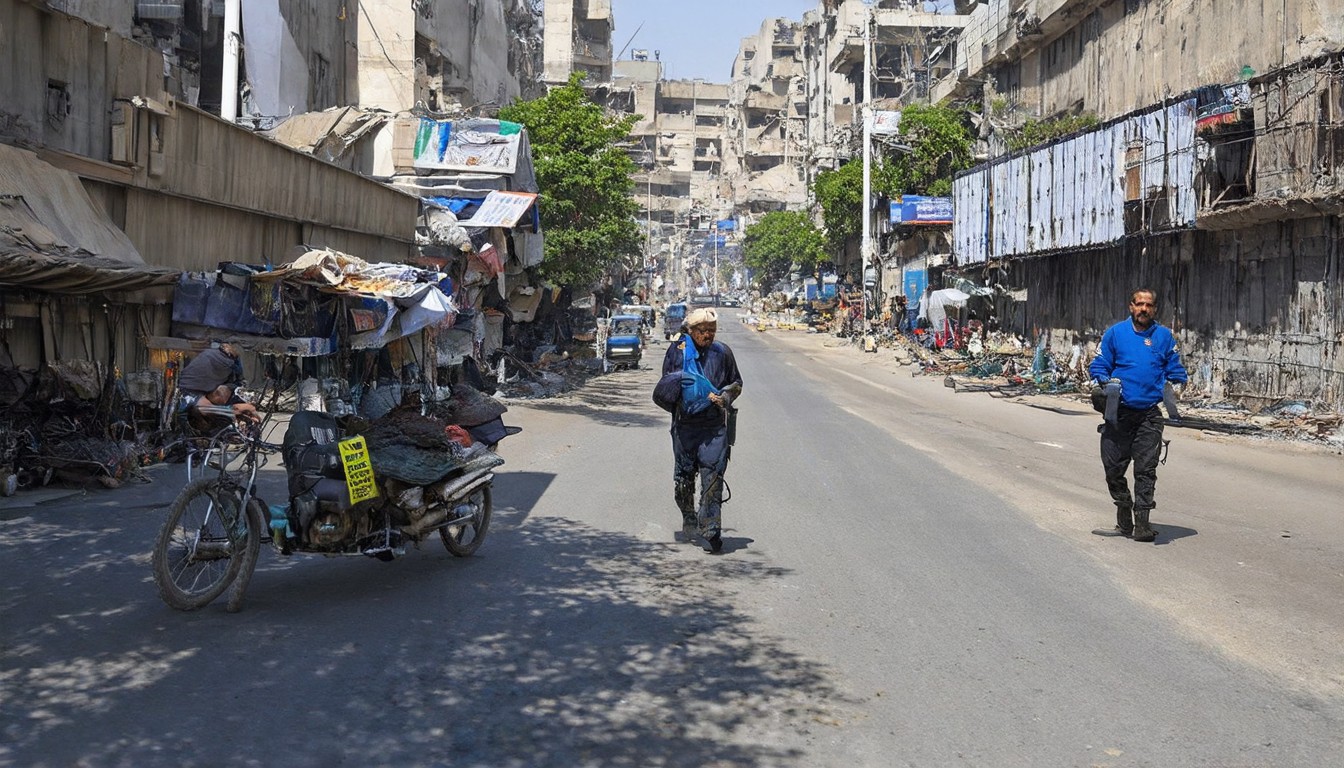
As tensions escalate in the Middle East, global economic concerns intensify due to the ongoing conflict in Iran. Recent U.S. and Israeli military actions against Iranian targets have led to a sharp rise in oil prices, which in turn has cast a shadow over the global economy. The situation has not only sent shockwaves through global stock markets but has also forced developing countries to implement emergency measures to manage their resources.
The conflict in Iran has been a significant factor in driving up oil prices, as the region is a major producer of crude oil. The U.S. and Israel's targeted attacks on Iranian facilities have disrupted supply chains and increased the risk of further instability in the region. This has prompted oil producers to reduce output, further exacerbating the price hikes. The rise in oil prices has ripple effects across the globe, affecting industries reliant on fuel, such as transportation and manufacturing, and contributing to inflationary pressures.
The darkening outlook for the world economy is a cause for concern among economists and policymakers. With oil prices already at multi-year highs, global economic growth is expected to slow down. Central banks around the world are closely monitoring the situation, as higher oil prices can lead to higher inflation, which in turn may necessitate tighter monetary policies. This could potentially lead to a recession in some regions, as businesses struggle to manage increased costs.
The impact of the conflict in Iran is also felt in developing countries, which are heavily dependent on oil imports. Many of these nations have been forced to ration fuel supplies to prevent shortages and curb inflation. This has led to long queues at gas stations and has strained public sentiment, as citizens grapple with the economic challenges posed by the global oil crisis.
In addition to the economic impacts, the ongoing conflict in Iran has also raised geopolitical tensions. The U.S. and Israel's military actions have been met with criticism from some countries, who view these actions as escalating the situation rather than resolving it. There are fears that the conflict could spill over into a full-scale war, with far-reaching consequences for global stability.
Efforts to resolve the conflict in Iran have been slow to materialize, with diplomatic talks stalling and negotiations proving difficult. This has only served to deepen the economic uncertainties, as the world economy grapples with the potential long-term effects of the ongoing conflict.
In conclusion, the protracted war in Iran has deepened global economic worries, with oil prices soaring, stock markets plummeting, and developing countries facing resource shortages. The situation has highlighted the interconnectedness of global economies and the potential for regional conflicts to have far-reaching consequences. As the conflict continues, the world economy faces significant challenges, and policymakers must work diligently to mitigate its impact and stabilize the global financial landscape.









