World Seed Congress 2026: The Case for Joint Actions to Build Resilient Futures
At the ISF World Seed Congress in Lisbon, global seed leaders are addressing seed resilience, trade, innovation, and food security. Portugal highlights how openness and adaptability strengthen food systems. With climate stress and market volatility rising, the seed sector is advancing science-based cooperation, resilient seed systems, farmer access to quality seed, and trusted innovation to support sustainable global agriculture. The post World Seed Congress 2026: The Case for Joint Actions to Build Resilient Futures appeared first on Seed World .
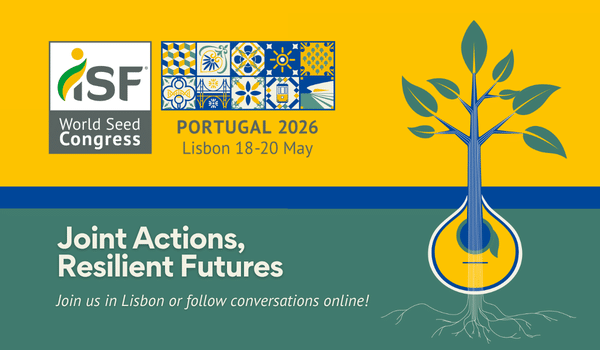
The ISF World Seed Congress in Lisbon has gathered global seed leaders to address critical issues such as seed resilience, trade, innovation, and food security. As climate stress and market volatility intensify, the seed sector is pushing for science-based cooperation, resilient seed systems, and farmer access to quality seed to support sustainable global agriculture. The event is taking place in a region that exemplifies the importance of resilience, adaptability, and openness in food systems.
Portugal, the host country, has recently been recognized for its economic performance and food systems resilience. This recognition underscores the tangible nature of resilience, which is built through strategic planning, adaptability, and long-term thinking. In a time when agriculture faces unprecedented challenges, these qualities are more relevant than ever.
Seeds, often overlooked in public discourse, form the foundation of every harvest and food system. Issues such as food security, climate adaptation, productivity, biodiversity, and sustainability all begin with seed. The global seed sector must play a central role in policy discussions on feeding a growing population sustainably. Seed is not a niche topic; it is a strategic one that requires collaboration and innovation.
The sector's importance extends beyond breeding and innovation. It also involves translating scientific advancements into practical value for farmers and society. Geopolitical tensions, conflicts, protectionist policies, and other non-scientific barriers are making international seed trade more volatile. However, seed systems cannot function in isolation. No country can supply all the seed its farmers need independently. The movement of seed, plant material, innovation, and knowledge is essential to global agriculture.
This reality makes multilateral cooperation more crucial than ever. The International Seed Federation (ISF) is tasked with fostering such cooperation to ensure the sustainable development of the seed sector. The World Seed Congress provides a platform for stakeholders to discuss and collaborate on strategies to build resilient food systems that can withstand the challenges of climate change and market instability.
As the Congress progresses, participants will explore topics such as the role of seed in climate adaptation, the importance of innovation in addressing food security, and the need for equitable access to quality seed for small-scale farmers. They will also delve into the challenges posed by geopolitical tensions and protectionist policies, and the potential solutions through joint actions and international cooperation.
In conclusion, the ISF World Seed Congress in Lisbon is a timely gathering that highlights the urgent need for global collaboration in the seed sector. By emphasizing resilience, adaptability, and openness, the event aims to strengthen food systems and ensure sustainable agriculture for the future. As the world faces increasing climate stress and market volatility, the seed sector's role in addressing these challenges cannot be overstated. The Congress serves as a call to action for stakeholders to work together and build resilient futures through science-based cooperation and innovation.