Sabalenka's Shock French Open Exit, Hints at Career Break
World No. 1 Aryna Sabalenka suffered a stunning quarterfinal exit at the 2026 French Open, collapsing against Diana Shnaider after squandering a commanding set and two-break lead. The devastated star reportedly expressed a desire to "quit tennis" and take time
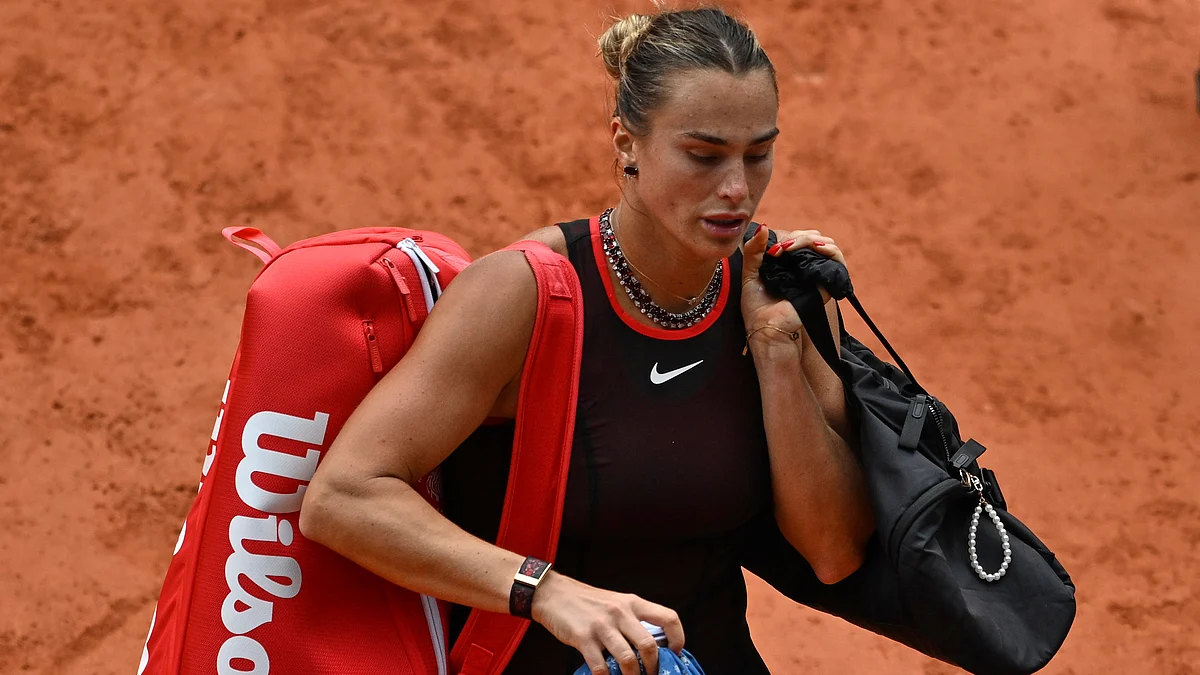
World No. 1 Aryna Sabalenka's campaign at the 2026 French Open concluded in a shocking quarterfinal exit, sending ripples across the global tennis landscape. The top-ranked player, a formidable presence on the women's tour, suffered a stunning defeat at the hands of Diana Shnaider, a match characterized by a dramatic reversal of fortunes. The aftermath of this unexpected elimination proved as compelling as the contest itself, with a visibly devastated Sabalenka reportedly admitting an overwhelming desire to "quit tennis" and expressing a profound need for time away from the professional circuit. This candid admission highlights the immense pressure and emotional toll elite-level competition can exact.
The quarterfinal encounter was a testament to the unpredictable nature of Grand Slam tennis. Sabalenka initially appeared in control, securing the first set with a comfortable 6-3 margin. Her powerful game and aggressive baseline play seemed to be dictating the rhythm. However, the turning point arrived with startling swiftness. Despite holding a significant two-break lead in the second set, a position from which top players rarely falter, Sabalenka's grip on the match began to loosen. Shnaider, demonstrating remarkable resilience and mental fortitude, mounted an impressive comeback, clinching the set 7-5. This dramatic shift in momentum proved pivotal.
The third and deciding set saw a comprehensive collapse from the World No. 1. Sabalenka, unable to regain her composure or stem the tide of Shnaider's resurgent play, lost the set 6-0. The final scoreline of 3-6, 7-5, 6-0 vividly illustrates a match that spiraled away from the top seed, transforming what began as a promising performance into a crushing defeat. For an athlete accustomed to dominating opponents, such a comprehensive loss in the deciding set, especially at a crucial Grand Slam stage, must have been profoundly unsettling, showcasing mental fragility even at the pinnacle of the sport.
Following the match, the raw emotion of the moment was palpable. Sabalenka's reported comments, expressing a wish to "quit tennis" and a need for a break, offer a rare glimpse into the intense psychological burden carried by professional athletes. These are not statements made lightly, particularly by a World No. 1. They reflect a level of devastation and exhaustion that transcends mere disappointment over a loss. The relentless travel, constant training, pressure to perform, and microscopic scrutiny can cumulatively take a severe toll on an individual's mental and emotional well-being.
The French Open, with its unique clay court challenges, is often considered one of the most physically and mentally demanding Grand Slams. The slower surface leads to longer rallies, requiring exceptional stamina and strategic thinking. This quarterfinal loss, coming after squandering such a commanding lead, likely felt like a particularly cruel blow, magnifying frustration and self-doubt. The mental battle on court is often as fierce as the physical one, and on this occasion, it appears the psychological pressure proved overwhelming for the top seed.
Diana Shnaider, on the other hand, deserves immense credit for her remarkable performance. To come back from a set and two breaks down against the World No. 1 in a Grand Slam quarterfinal requires extraordinary grit, belief, and tactical acumen. Her ability to capitalize on Sabalenka's dip in form and maintain her own level under pressure speaks volumes about her emerging talent and competitive spirit. While the focus naturally gravitates towards the defeated top seed, Shnaider's victory is a significant milestone in her career, showcasing her potential to challenge the sport's established hierarchy.
For Sabalenka, this unexpected exit and her subsequent emotional admission raise important questions about her immediate future. While "quitting tennis" is likely an expression of profound momentary despair rather than a definitive career decision, the need for "time away" suggests a genuine requirement for rest, recuperation, and mental reset. Elite athletes often schedule breaks to manage their physical and mental health, but such a public declaration of distress following a major tournament loss highlights the urgency of her situation. Her support team will be crucial in helping her recover and reassess her path forward.
The tennis community, understanding the sport's unique pressures, will undoubtedly rally around Sabalenka. Many players have openly spoken about the mental health challenges they face, and her honesty, though painful, contributes to a broader conversation about athlete welfare. This incident serves as a poignant reminder that even the most successful athletes are human, susceptible to vulnerability and emotional strain. Her journey through the remainder of the 2026 season will be closely watched. The tennis world awaits her return, hopeful she rediscovers her passion and formidable competitive spirit.