World Cup tickets promised at $60, fans paid $4,185: The European Commission could take on FIFA
Euroconsumers and the Football Supporters Europe (FSE) network have filed a formal complaint with the European Commission, accusing FIFA of abusing its monopoly position over 2026 World Cup ticket sales.
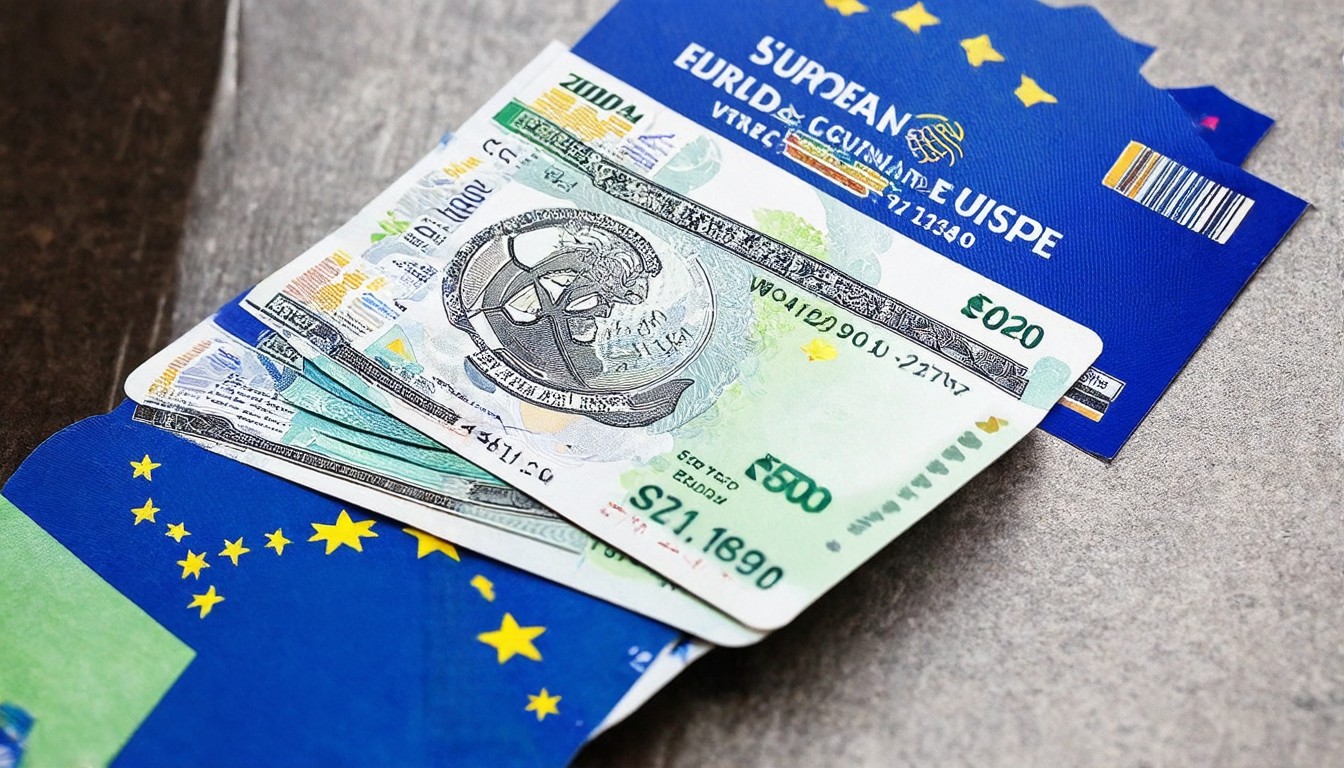
Euroconsumers and the Football Supporters Europe (FSE) network have filed a formal complaint with the European Commission, accusing FIFA of abusing its monopoly position over 2026 World Cup ticket sales. The allegations come as fans have reported paying significantly higher prices for tickets than initially promised, with some paying as much as $4,185 for a single ticket, while the initial price was advertised at just $60.
The complaint highlights FIFA's control over the ticket distribution process, which has led to widespread frustration among European fans. The organization claims that FIFA has exploited its dominant position in the market, resulting in exorbitant ticket prices that are far beyond the reach of many supporters. This has raised concerns about consumer protection and the fairness of the ticketing system.
The European Commission, which is responsible for enforcing competition laws in the EU, is now expected to investigate the allegations. If the commission finds that FIFA has indeed abused its monopoly, it could face significant penalties, potentially leading to changes in the way tickets are sold for future World Cup tournaments.
The issue of high ticket prices for major sporting events has been a contentious topic for some time. Critics argue that the current system benefits only a few, while the majority of fans are left out due to prohibitive costs. The complaint against FIFA brings this issue to the forefront, demanding accountability and transparency in the ticketing process.
Fans have expressed their anger and frustration over the high prices, with many feeling deceived by the initial promises of affordable tickets. The disparity between the advertised prices and the actual costs has led to widespread calls for reform, both within the football community and among policymakers.
The Football Supporters Europe network, which represents fans across the continent, has been vocal in its criticism of FIFA's ticketing policies. The organization argues that the current system is unfair and that fans deserve better access to tickets for major tournaments like the World Cup.
The European Commission's decision to take up the complaint could mark a turning point in how FIFA operates its ticketing system. If the commission rules in favor of the complainants, it may force FIFA to reconsider its approach to ticket sales, potentially leading to more affordable options for fans.
In response to the allegations, FIFA has not yet issued a statement. However, the organization has faced criticism in the past for its handling of ticketing, particularly during the 2018 World Cup in Russia. Fans reported similar issues, with prices skyrocketing and the ticketing process being described as opaque and unfair.
The case against FIFA is not just about ticket prices; it is about the power dynamics at play in the world of football. The European Commission's investigation could have far-reaching implications, not only for fans but also for the sport as a whole. It raises questions about the role of FIFA in regulating the ticketing market and the extent to which it can be held accountable for its actions.
As the investigation unfolds, fans and supporters across Europe are watching closely. The outcome could set a precedent for how major sporting events are organized and how fans are treated. It is a reminder that the power of collective action can lead to significant change, and that the European Commission has a crucial role to play in protecting the interests of consumers in the digital age.
In conclusion, the formal complaint filed by Euroconsumers and the Football Supporters Europe network against FIFA over the 2026 World Cup ticket sales is a significant development. The allegations of monopolistic behavior and exorbitant prices have sparked widespread concern and could lead to a major shift in how the sporting organization handles ticketing. The European Commission's investigation will be closely watched, as it could have far-reaching implications for fans, FIFA, and the future of major sporting events.