World Cup 2026: Kinshasa celebrates the Leopards’ historic qualification
The Democratic Republic of Congo’s national football team, the Leopards, received a hero’s welcome in Kinshasa on Sunday, days after securing qualification for the FIFA World Cup — their first appearance on football’s biggest stage since 1974.
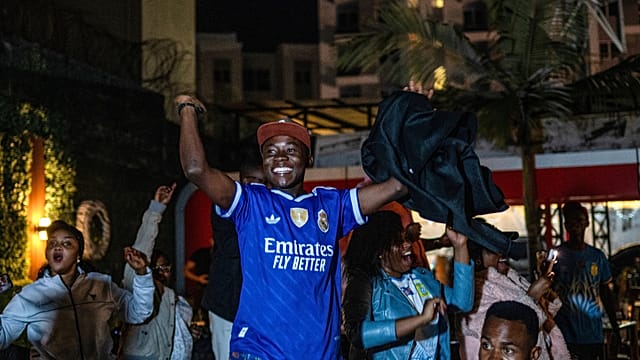
The Democratic Republic of Congo’s national football team, the Leopards, returned to Kinshasa on a triumphant homecoming, greeted by thousands of jubilant fans who celebrated their historic qualification for the FIFA World Cup. This momentous achievement marks the team’s first appearance on the global stage since 1974, a milestone that has been eagerly anticipated by the nation’s football enthusiasts.
The Leopards secured their spot in the 2026 World Cup after a dramatic final match in the CAF (African Confederation of Football) qualifiers. In a tense encounter against Morocco, the Congolese team showcased remarkable resilience and skill, ultimately clinching a narrow 2-1 victory. The match, held in Rabat, was a defining moment for the team and its supporters, who had been following the qualification campaign with bated breath.
Upon their arrival in Kinshasa, the players were met with a sea of cheering fans, waving flags and chanting in support. The streets of the capital city were transformed into a vibrant carnival of colors and sounds, as the Leopards paraded through the city in an open-air bus. The atmosphere was electric, with people dancing, singing, and firing fireworks to celebrate the historic win.
President Félix Tshisekedi, who had been closely following the team’s progress, addressed the crowd, praising the players for their determination and hard work. He highlighted the significance of the qualification, stating that it represented not just a sporting achievement, but a symbol of national pride and unity. The president’s words were met with a thunderous ovation, underscoring the depth of public enthusiasm for the team.
The journey to the World Cup was not without its challenges. The Leopards faced stiff competition in their qualification group, which included teams like Cameroon and Gabon. However, under the guidance of their coach, Sébastien Desabre, the team demonstrated a strong sense of unity and determination. Desabre, a former French international, has been instrumental in building a cohesive squad capable of competing at the highest level.
The qualification has also sparked renewed interest in football within the Democratic Republic of Congo. With the World Cup just over three years away, the focus is now on preparing the team for the tournament. The government has pledged to invest in sports infrastructure, including the construction of new stadiums and training facilities, to ensure the Leopards are well-equipped for their global debut.
The success of the Leopards has also drawn attention to the potential economic benefits of hosting the World Cup. While the Democratic Republic of Congo is not one of the confirmed host nations for 2026, the qualification has reignited discussions about the possibility of the country bidding for future tournaments. The government is now considering the feasibility of such a bid, recognizing the opportunity it would present for infrastructure development and global exposure.
As the nation continues to celebrate its footballing triumph, the Leopards’ journey to the World Cup serves as a testament to perseverance and passion. The team’s historic qualification has not only brought pride to the Democratic Republic of Congo but has also inspired a new generation of footballers to dream big and strive for greatness on the world stage.