
Wool market shows positive sentiment at latest sale
The wool market is showing encouraging signs of recovery, with demand beginning to outstrip supply, according to Leon du Plessis, auctioneer at BKB.
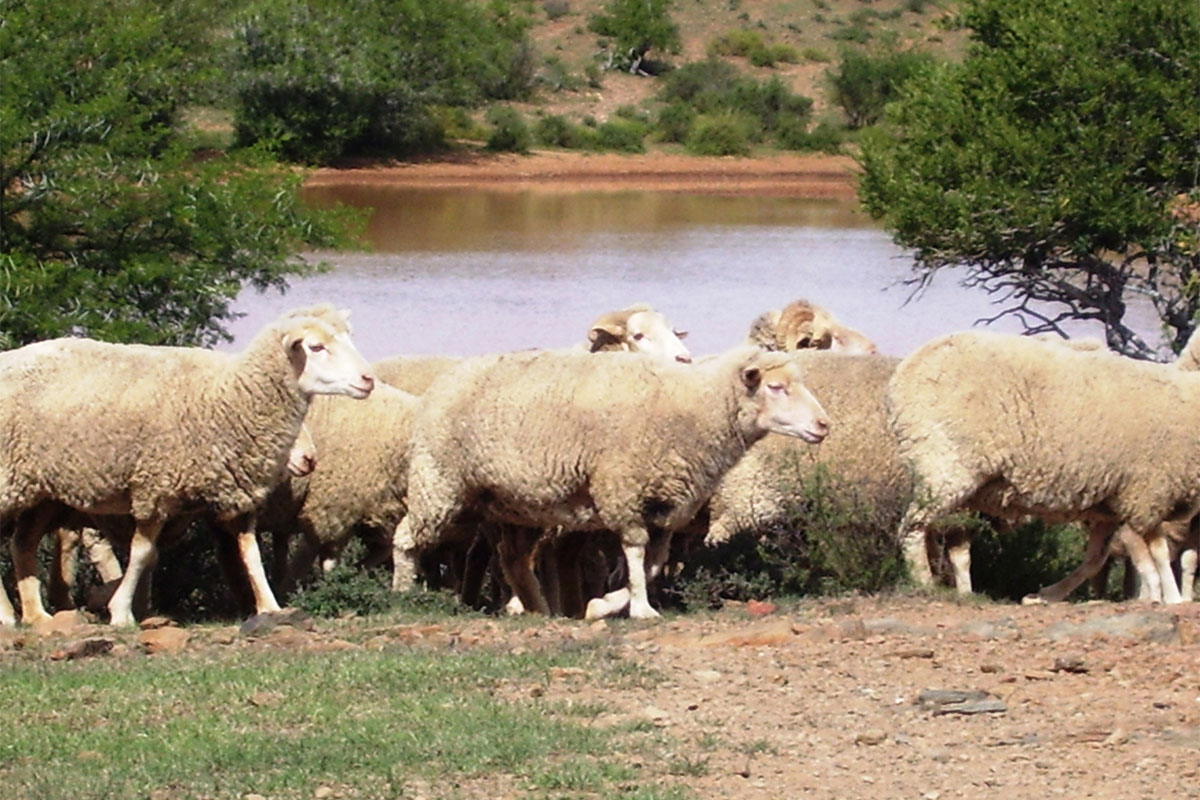
The wool market is showing encouraging signs of recovery, with demand beginning to outstrip supply, according to Leon du Plessis, auctioneer at BKB. This development marks a significant shift in the industry, which has faced challenges in recent years due to fluctuating global demand and supply dynamics.
In the past few years, the wool market has been characterized by volatility, with prices often dropping significantly as supply exceeded demand. However, the latest sale at BKB has provided a glimmer of hope for the industry. Leon du Plessis, a seasoned auctioneer with extensive experience in the wool trade, noted that the increased demand for wool is a positive indicator of the market's resilience.
The recovery is driven by several factors. Firstly, there has been a growing appreciation for the quality and sustainability of wool, particularly among environmentally conscious consumers. Wool is a natural fiber that is biodegradable and has excellent thermal properties, making it a popular choice for clothing and home textiles. Additionally, the rise of sustainable fashion practices has encouraged consumers to prioritize products made from ethical and eco-friendly materials.
Secondly, the market has benefited from strategic production planning and improved supply chain management. Wool producers have been more proactive in aligning their output with market trends and consumer preferences. This has helped to stabilize supply and ensure that it meets the growing demand.
Moreover, the COVID-19 pandemic has played a role in the market's recovery. With many people working from home and spending more time indoors, there has been an increased demand for home textiles such as blankets, throws, and cushions. This has provided a new avenue for wool producers to sell their products and has contributed to the overall growth in the market.
Despite the positive signs, the wool market still faces challenges. One of the main concerns is the impact of climate change on wool production. Rising temperatures and changing weather patterns can affect the quality of wool and the health of sheep, which could potentially lead to supply shortages.
Another challenge is the competition from synthetic fibers. While wool has a strong reputation for quality and durability, synthetic alternatives such as polyester and acrylic are often more affordable and have a wider range of colors and styles. Producers must continue to innovate and promote the unique benefits of wool to maintain their competitive edge.
In conclusion, the recent developments in the wool market are a testament to its resilience and adaptability. With demand outstripping supply and a growing appreciation for sustainable and quality products, the industry is poised for recovery. However, it will require ongoing efforts from producers, auctioneers, and stakeholders to address the challenges and capitalize on the opportunities presented by the market. As Leon du Plessis aptly noted, the wool market's positive sentiment at the latest sale is a promising sign for the future of the industry.









