
With Sanofi and Pfizer deals, Novavax bets on ‘amplification strategy’ to drive vaccines engine
After shedding expensive commercial infrastructure and pivoting to a partnership model, the company is now positioning its Matrix-M vaccine adjuvant as a versatile, license-ready asset for other biopharma companies like Sanofi and Pfizer.
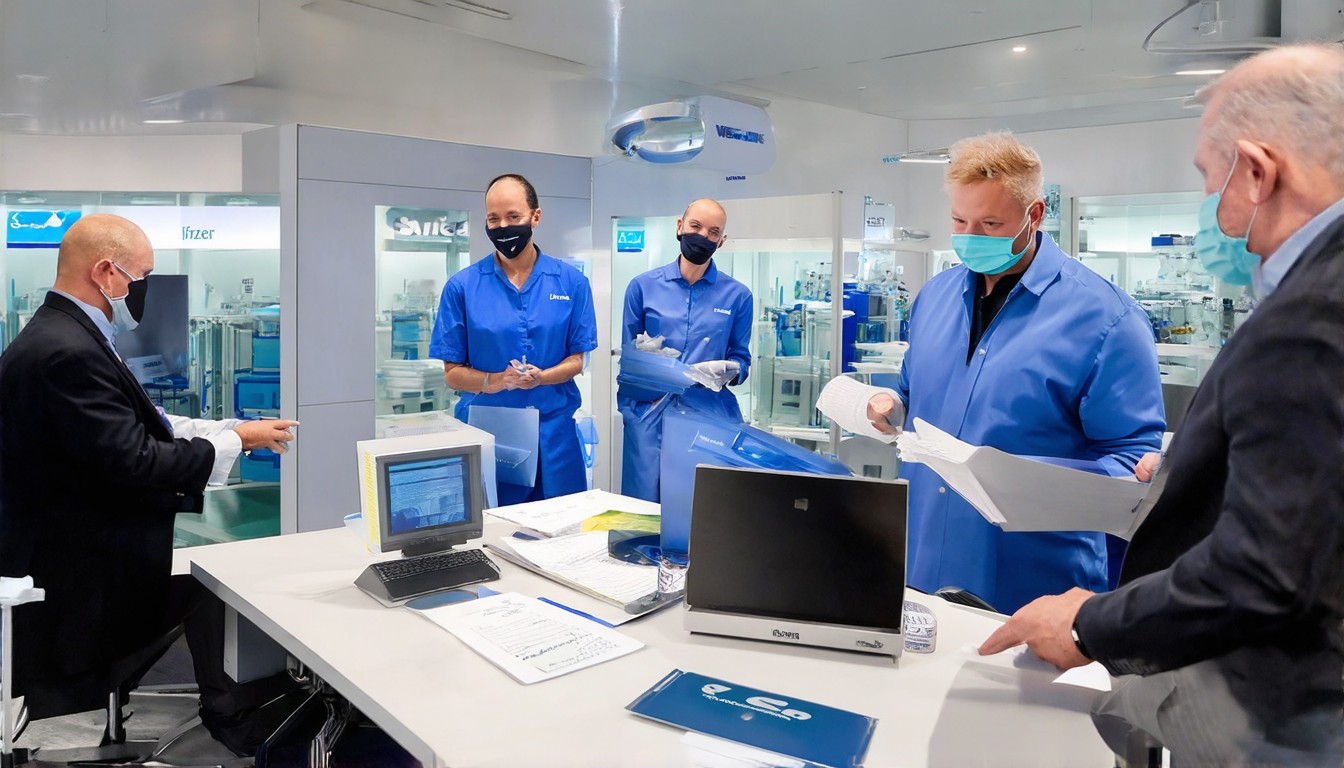
In recent years, the biotech industry has witnessed significant shifts in strategy as companies adapt to the rapidly evolving landscape of drug development and commercialization. One such company, Novavax, has undergone a transformative journey, shedding its expensive commercial infrastructure and pivoting to a partnership model. This strategic shift has positioned Novavax to leverage its Matrix-M vaccine adjuvant as a versatile, license-ready asset for other biopharma giants like Sanofi and Pfizer.
Novavax, a leading biotechnology company, has been at the forefront of vaccine development for decades. However, the company's recent focus on an amplification strategy has set it apart from its competitors. By restructuring its operations and focusing on partnerships, Novavax has been able to streamline its costs and enhance its ability to deliver innovative solutions to the global healthcare market.
The cornerstone of Novavax's new strategy is its Matrix-M vaccine adjuvant. Adjuvants are substances added to vaccines to enhance the body's immune response to the vaccine antigen. Matrix-M, developed by Novavax, has been shown to significantly boost the efficacy of vaccines, making it a highly sought-after product in the biopharma industry.
The company's decision to pivot to a partnership model has allowed it to leverage Matrix-M as a versatile asset. By collaborating with established players like Sanofi and Pfizer, Novavax can now focus on its core competencies—research and development—while the larger companies handle commercialization and distribution. This approach not only reduces the financial burden on Novavax but also accelerates the time-to-market for new vaccines.
The partnership with Sanofi, for instance, has been pivotal in demonstrating the potential of Novavax's strategy. Sanofi, a global healthcare giant, has licensed Matrix-M for use in its influenza vaccine. This collaboration has allowed Sanofi to enhance the efficacy of its product while benefiting from Novavax's expertise in adjuvant technology.
Similarly, Pfizer has also recognized the potential of Matrix-M and has entered into a partnership with Novavax. The collaboration aims to develop a novel COVID-19 vaccine that leverages Novavax's adjuvant to improve its efficacy. This partnership underscores the growing demand for Novavax's technology and its ability to adapt to the needs of different biopharma companies.
Novavax's amplification strategy has not only allowed it to shed its expensive commercial infrastructure but has also positioned it as a key player in the global vaccine market. By focusing on partnerships and leveraging its Matrix-M adjuvant, the company has been able to carve out a niche for itself in the competitive biopharma landscape.
The success of Novavax's strategy is evident in the growing interest from other biopharma companies. As the world continues to grapple with various health challenges, the demand for effective vaccines will only increase. Novavax's ability to adapt and collaborate with industry leaders positions it well to meet this growing demand.
In conclusion, Novavax's pivot to a partnership model and its focus on the Matrix-M vaccine adjuvant have transformed the company into a versatile and valuable asset for the biopharma industry. Collaborations with Sanofi and Pfizer highlight the potential of this strategy and its ability to drive innovation in vaccine development. As the world faces ongoing health challenges, Novavax's amplification strategy is poised to play a crucial role in shaping the future of vaccine technology.








