
With One Million Displaced, Lebanon Turns to Digital Wallets for Aid
Amid mass displacement and collapsing trust in institutions, digital wallets are becoming critical conduits for aid, connecting diaspora donors directly with communities on the ground.
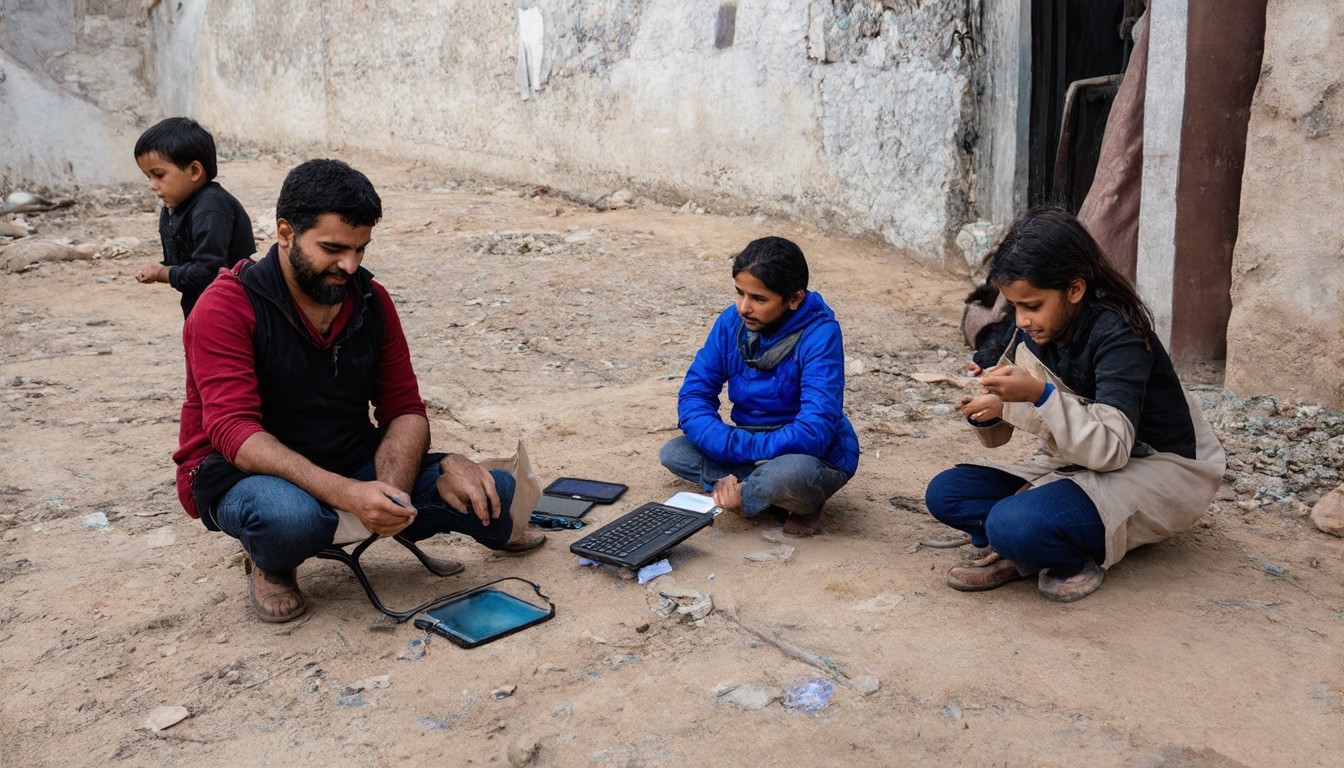
In the wake of a humanitarian crisis that has displaced over a million people, Lebanon is turning to digital wallets as a lifeline for aid distribution. As trust in traditional institutions erodes, these innovative financial tools are bridging the gap between diaspora donors and the communities they seek to support.
The situation in Lebanon has worsened significantly in recent years, with a combination of economic collapse, political instability, and natural disasters leading to widespread displacement. The country's currency has plummeted, unemployment rates soar, and the government's ability to deliver aid has been severely compromised. In this context, digital wallets have emerged as a critical solution, offering a direct and efficient way for donors to reach those in need.
Digital wallets, such as those provided by organizations like Rwala and ZainCash, allow donors to send funds quickly and securely to specific individuals or groups. These platforms bypass the complex and often unreliable traditional banking systems, ensuring that aid reaches its intended recipients without delays or corruption. The technology also enables donors to track the use of their donations, fostering transparency and accountability.
The appeal of digital wallets is not limited to their practical benefits. In a society where trust in government and financial institutions has eroded, these tools offer a sense of security and control. For displaced individuals and those in need, receiving aid through a digital wallet means they can manage their funds independently, without relying on intermediaries. This autonomy is particularly important in a context where trust in institutions is already low.
The shift towards digital wallets is also driven by the involvement of the Lebanese diaspora. Many Lebanese expatriates have been eager to contribute to their struggling homeland, and digital wallets provide a convenient and reliable means to do so. By connecting directly with communities, donors can tailor their support to specific needs, whether it's medical supplies, food, or housing.
However, the adoption of digital wallets is not without challenges. While the technology offers many advantages, there are still barriers to overcome. Not all displaced individuals have access to smartphones or reliable internet, which are necessary for using these services. Additionally, there are concerns about the security of these platforms and the potential for fraud or misuse.
Despite these challenges, the potential of digital wallets for aid distribution in Lebanon is undeniable. As the crisis continues to unfold, these tools are proving to be a vital lifeline, offering a pathway for support that bypasses the limitations of traditional systems. As Lebanon grapples with its humanitarian challenges, the digital wallets are not only aiding those in need but also rebuilding trust in the face of adversity.
In the long term, the success of digital wallets in Lebanon could have broader implications. If these platforms can effectively deliver aid in a crisis-stricken nation, they may become a model for other countries facing similar challenges. The ability to connect donors directly with recipients, with minimal intermediation, could revolutionize the way aid is distributed globally, ensuring that it reaches those who need it most.
As Lebanon navigates its current turmoil, the story of digital wallets as a conduit for aid is a testament to the resilience of communities and the potential of technology to make a difference. In a world where traditional systems often fail, these innovative solutions are offering hope and a path forward for millions of people displaced by crisis.









