
With One Million Displaced, Lebanon Turns to Digital Wallets for Aid
Amid mass displacement and collapsing trust in institutions, digital wallets are becoming critical conduits for aid, connecting diaspora donors directly with communities on the ground.
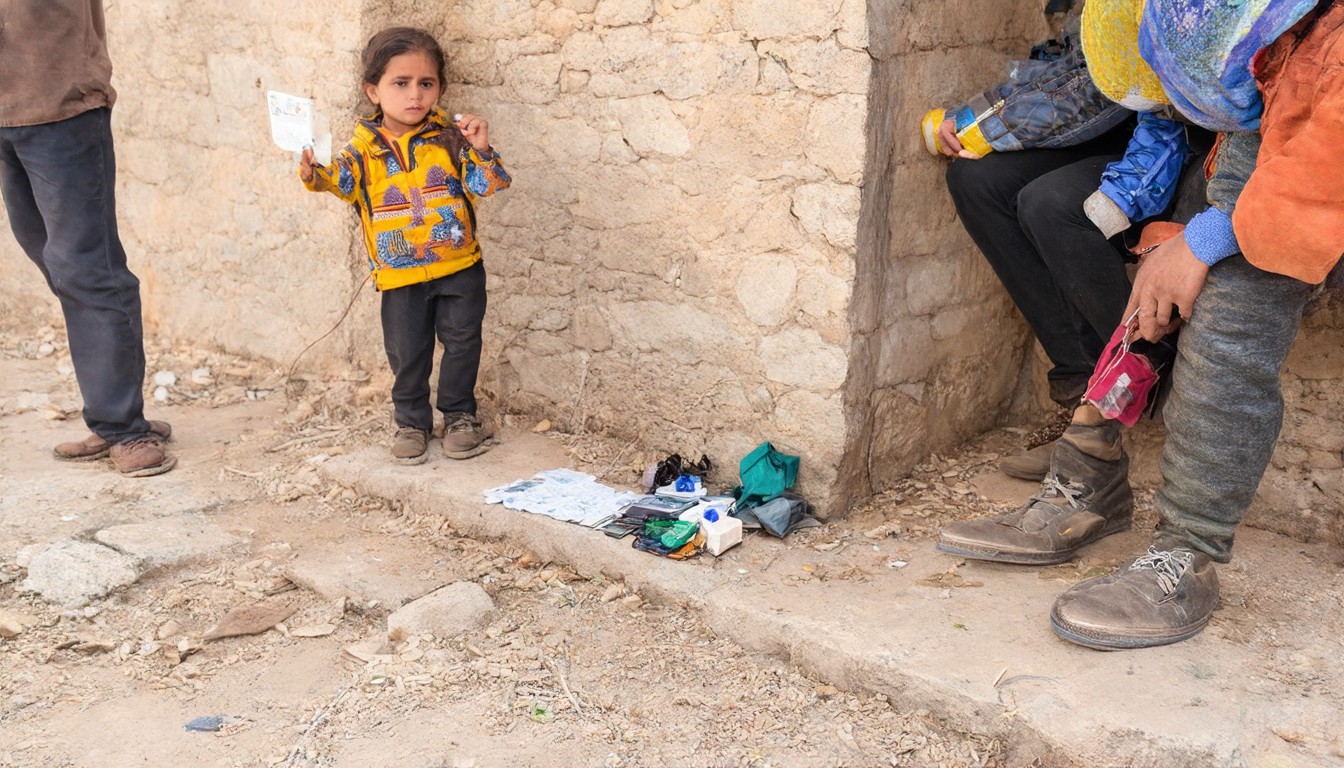
In the wake of a humanitarian crisis that has displaced over a million people, Lebanon is turning to digital wallets as a lifeline for aid distribution. As trust in traditional institutions erodes, these innovative financial tools are bridging the gap between diaspora donors and those in need, offering a direct and efficient means of support.
The situation in Lebanon has worsened significantly in recent years, with a combination of economic collapse, political instability, and natural disasters leading to widespread displacement. The country's currency has plummeted, unemployment rates have soared, and public services have deteriorated, leaving many Lebanese citizens without access to basic necessities. In this context, the traditional aid systems have struggled to keep pace, often bogged down by bureaucracy and corruption.
Digital wallets, such as those offered by platforms like Zelle, Ripple, and Stellar, are providing a viable alternative. These systems allow donors from the Lebanese diaspora, who are estimated to number around 10 million worldwide, to send funds directly to individuals or communities in need. This bypasses the need for intermediaries, reducing transaction costs and speeding up the delivery of aid.
One of the key advantages of digital wallets is their ability to reach people in remote or hard-to-reach areas. Many displaced individuals in Lebanon have found themselves in informal settlements or rural regions where traditional banking infrastructure is lacking. Digital wallets, however, can be accessed through mobile phones, which are ubiquitous in Lebanon. This means that even those without access to physical banks can receive aid through these platforms.
Moreover, digital wallets offer a sense of transparency that is often missing in traditional aid systems. Donors can track their donations in real-time, ensuring that their funds are reaching the intended recipients. This is particularly important in a context where trust in institutions has been severely eroded.
However, the adoption of digital wallets is not without its challenges. While they offer a direct line of communication between donors and recipients, they also require a certain level of technological literacy. In Lebanon, where many displaced individuals may not be familiar with digital technologies, there is a need for education and support to ensure effective use of these tools.
Despite these hurdles, the potential of digital wallets for aid distribution in Lebanon is undeniable. As the crisis continues to unfold, these platforms are proving to be a critical lifeline, offering a way to deliver much-needed support to those on the ground. They represent a shift towards more efficient, transparent, and inclusive aid systems, one that could have a lasting impact on how humanitarian aid is delivered in the future.
In conclusion, Lebanon's turn to digital wallets for aid distribution is a testament to the resilience of a society facing immense challenges. While these tools are still in their early stages of adoption, they are already playing a vital role in connecting those who need help with those who are willing to provide it. As the crisis persists, digital wallets are likely to become an even more integral part of Lebanon's aid landscape, offering a beacon of hope in a time of great need.








