
With One Million Displaced, Lebanon Turns to Digital Wallets for Aid
Amid mass displacement and collapsing trust in institutions, digital wallets are becoming critical conduits for aid, connecting diaspora donors directly with communities on the ground.
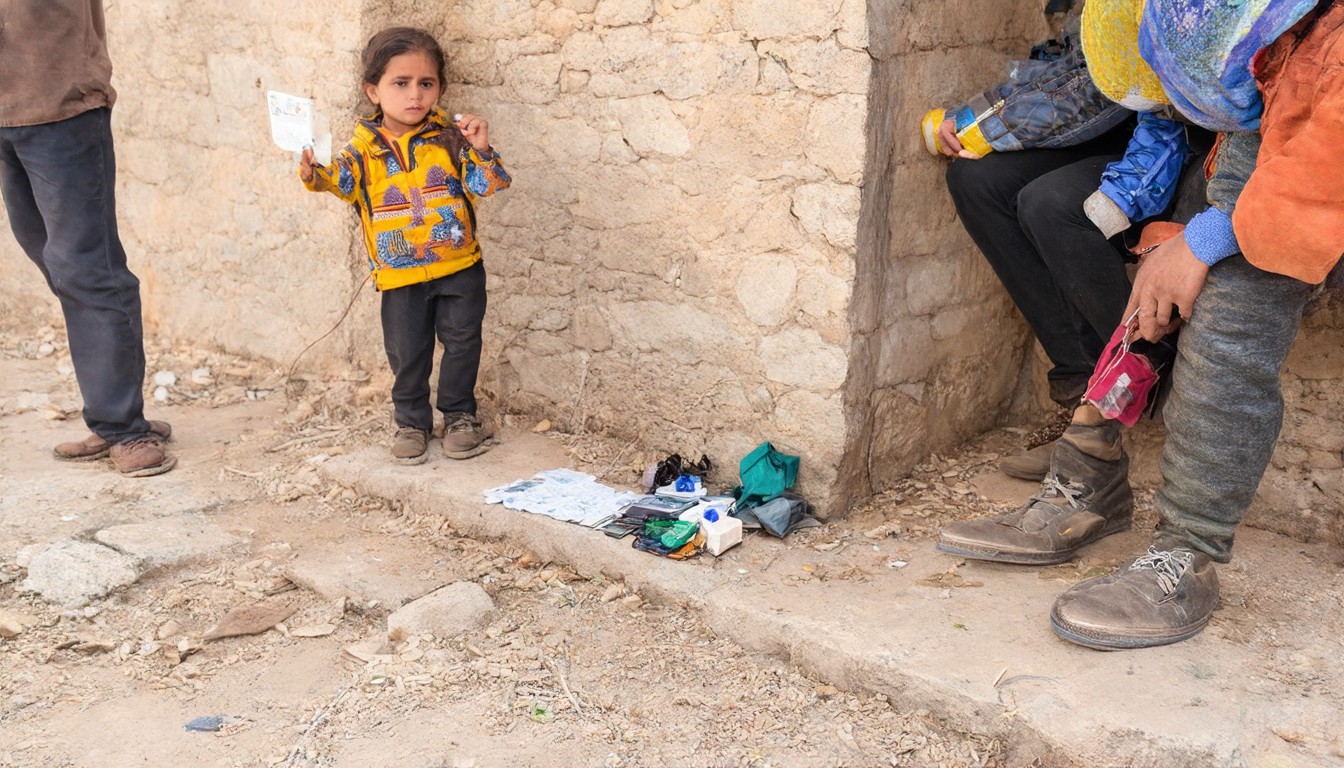
In the wake of a humanitarian crisis that has displaced over a million people, Lebanon is turning to digital wallets as a lifeline for aid distribution. As trust in traditional institutions erodes, these digital platforms are emerging as critical conduits, directly linking diaspora donors with communities in need.
The situation in Lebanon has worsened significantly in recent years, with a combination of economic collapse, political instability, and the ongoing conflict in neighboring Syria contributing to a massive displacement of populations. According to recent estimates, over a million Lebanese have been forced to flee their homes, seeking refuge in neighboring countries or within the country itself. This displacement has strained existing social and economic systems, leaving many vulnerable and dependent on external aid.
In this context, digital wallets are proving to be a game-changer. These platforms, which allow users to store and transfer funds electronically, are enabling direct and efficient aid delivery. By bypassing traditional financial systems, which are often slow, corrupt, or inaccessible, digital wallets offer a more reliable and swift means of distributing aid. This is particularly important in Lebanon, where the collapse of the local currency and the closure of many banks have left many people without access to basic financial services.
The role of the diaspora in this shift towards digital aid is significant. Lebanese communities living abroad, who have been closely monitoring the situation in their homeland, are using digital wallets to channel support directly to those in need. This direct connection allows for more targeted and efficient aid, as donors can see exactly where their funds are going and ensure they are reaching the intended recipients.
However, the adoption of digital wallets for aid distribution is not without its challenges. One major concern is the security and privacy of these transactions. As more people rely on digital platforms for financial transactions, the risk of fraud, hacking, or data breaches increases. Additionally, there are concerns about the long-term sustainability of these platforms. While they offer a valuable short-term solution, it remains to be seen whether they can provide a sustainable model for aid distribution in the long run.
Despite these challenges, the potential of digital wallets for aid distribution in Lebanon is undeniable. They offer a way to deliver aid quickly and efficiently, bypassing the complexities and inefficiencies of traditional systems. As the crisis in Lebanon continues to unfold, digital wallets are likely to play an increasingly important role in the country's efforts to provide support to those displaced and in need.
In conclusion, Lebanon's turn to digital wallets for aid distribution is a response to a complex and challenging situation. As trust in traditional institutions erodes and the need for aid grows, these platforms are offering a new and innovative way to deliver support directly to those in need. While there are challenges to overcome, the potential benefits of this approach are significant, offering a glimmer of hope in a difficult time.








