
Winter was the time for renewal, rejuvenation and repair
Discover how early pioneers used the winter "respite" to repair leather harnesses on stitching horses and sharpen tools for the next hard farming season. The post Winter was the time for renewal, rejuvenation and repair appeared first on Farm and Dairy .
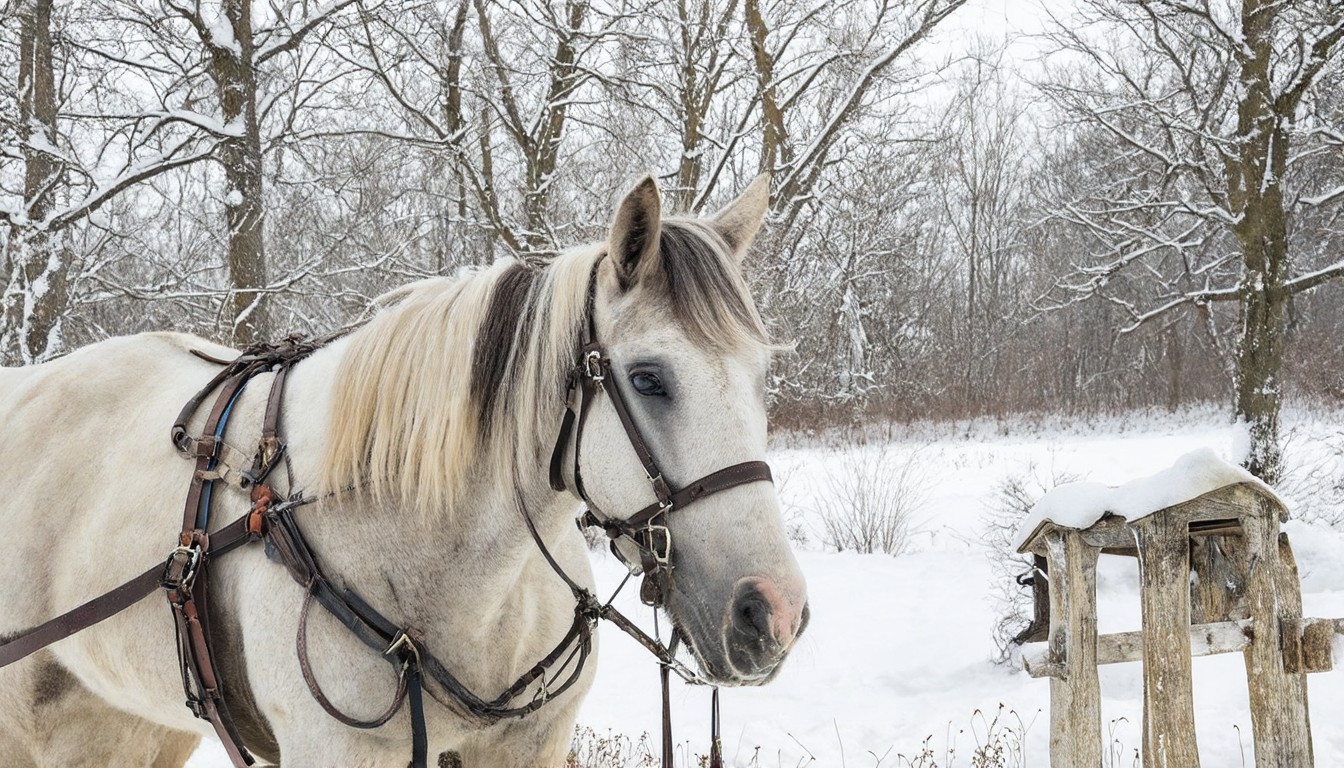
Winter was the time for renewal, rejuvenation, and repair in the early settlements of the Ohio country. While the snowy season offered a brief respite from the harsh realities of farming, it was also an opportunity to address essential tasks that required focused attention and care. These tasks were not merely optional but were crucial for ensuring the survival and productivity of the farmsteads during the upcoming season.
One of the primary concerns during the winter months was the maintenance of tools and equipment. The implements used throughout the year had endured significant wear and tear, and their condition needed to be assessed and restored to ensure they were ready for the next round of labor. The harness, in particular, was a fragile piece of equipment that required careful attention.
The leather harnesses used by horses and oxen were subjected to relentless stress and strain, baked by the sun, and rotted by rain, humidity, and sweat. By the end of the farming season, these harnesses were often in poor condition, with breaks and tears that needed immediate repair. The process of mending these harnesses was a meticulous task that required patience, skill, and the right tools.
To repair the harnesses, the pioneers used a specialized piece of equipment known as a harness horse or stitching horse. This unique tool was designed to make the sewing process more efficient and comfortable. The harness horse was a four-legged bench with a top plank shaped roughly like an hourglass. One end served as the seat for the person doing the sewing, while the opposite end featured a tall wooden vise with two jaws that clamped together to secure the harness.
The clamping action of the vise was controlled by a foot treadle, which allowed the user to adjust the grip as needed. A leather strap ran from the treadle up to one of the jaws, enabling precise control over the tension. This setup not only made the repair process more manageable but also provided a convenient and stable platform for the worker to sit and focus on their task.
The harness horse was compact enough to be brought indoors, where the warmth of the fireplace provided a cozy environment for the craftsman to work. This indoor setting not only protected the worker from the harsh winter elements but also allowed them to take advantage of the natural light available during the day.
In addition to repairing harnesses, winter was also a time for sharpening tools and preparing other essential equipment for the upcoming season. The brief pause in farming activities allowed the pioneers to address these tasks with the care and attention they deserved. The winter months, though less demanding in terms of physical labor, were filled with important work that ensured the farm's readiness for the challenges of the next growing season.
In conclusion, winter in the early Ohio settlements was not merely a time of rest but a period of renewal and repair. The pioneers used the respite from the harsh farming season to maintain and restore their tools and equipment, ensuring that they were well-prepared for the hard work ahead. The harness horse, a symbol of ingenuity and resourcefulness, played a pivotal role in this process, allowing the farmers to mend their harnesses and focus on the tasks that would sustain their way of life. Through these efforts, the pioneers demonstrated their resilience and adaptability, turning the challenges of winter into opportunities for growth and preparation.








