
Willa Cather’s will prohibited the direct quotation of her letters. The result was a bizarre, confused scholarly morass
Willa Cather’s will prohibited the direct quotation of her letters. The result was a bizarre, confused scholarly morass
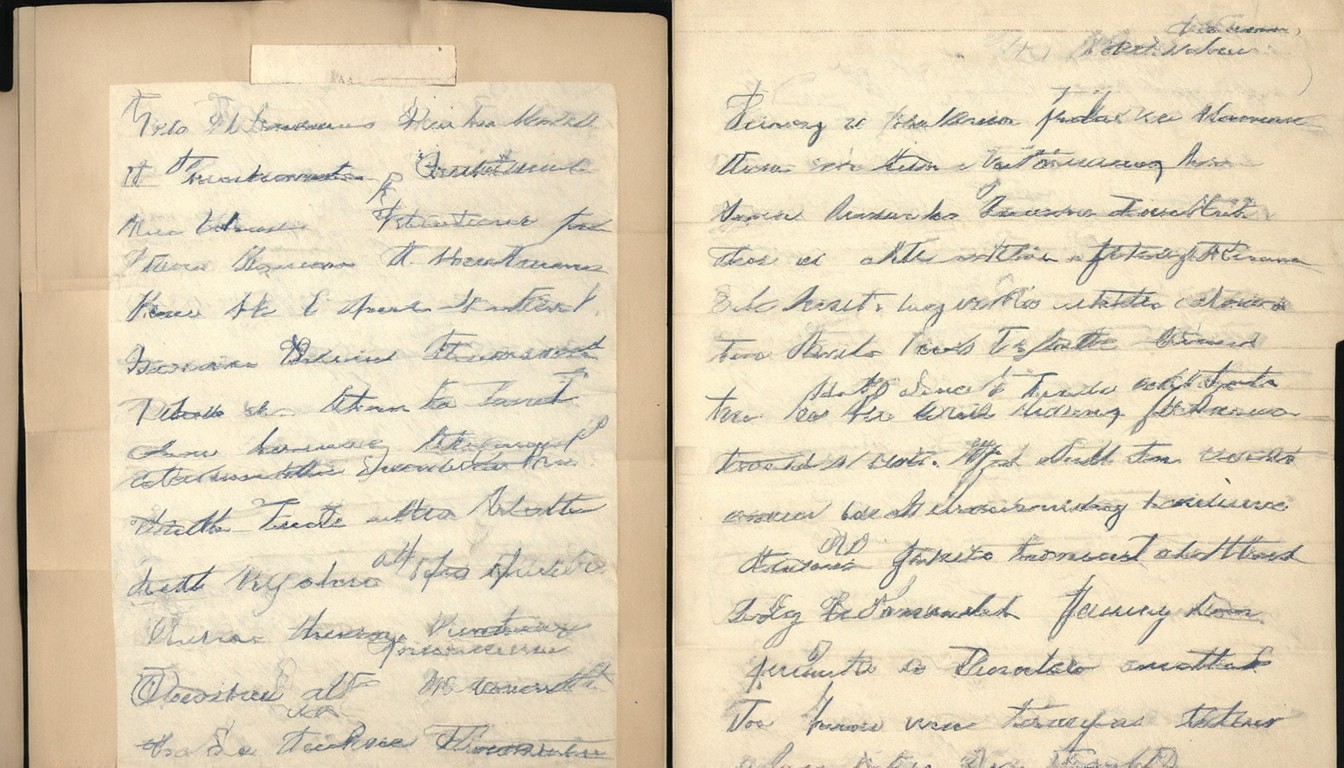
Willa Cather, the renowned American novelist best known for her works such as "My Ántonia" and "Death Comes for the Archbishop," left behind a legacy that extended beyond her literary contributions. In her will, Cather stipulated that her letters could not be directly quoted, a provision that has had a profound and somewhat unexpected impact on the study of her life and work. This unusual clause has led to a confusing and bizarre scholarly landscape, as researchers and critics have navigated the complexities of her estate's restrictions.
Cather's will, drafted in 1942 and executed after her death in 1947, included specific instructions regarding the publication and use of her personal correspondence. The prohibition on direct quotation was intended to protect her privacy and the integrity of her letters, which she considered deeply personal. However, this decision has created a unique challenge for scholars who wish to study her life and literary output. Without the ability to directly quote her letters, researchers must rely on paraphrasing, summarizing, or referencing the content indirectly. This has resulted in a fragmented and sometimes confusing body of academic work, as scholars strive to navigate the boundaries set by Cather's will.
The restrictions have also influenced the way Cather's letters are handled and interpreted. Scholars who have access to the letters must carefully consider how to discuss their content without violating the terms of the will. This has led to a situation where some researchers may choose to avoid engaging with the letters altogether, limiting the depth of analysis available to the field. Others have taken a more creative approach, using indirect references and analyzing the context in which the letters were written to infer meaning.
Despite the challenges posed by Cather's will, there have been efforts to address the issue. In recent years, scholars have called for a reevaluation of the restrictions, arguing that the protection of privacy should not come at the expense of academic freedom and the study of her work. Some have suggested that the will's provisions could be revised to allow for more flexible use of the letters, enabling a deeper understanding of Cather's life and literary career.
The impact of Cather's will on the scholarly community is a testament to the power of legal documents in shaping the discourse surrounding an author's life and work. While the intention behind the clause was to safeguard Cather's privacy, the unintended consequence has been a complex and often confusing scholarly morass. As researchers continue to navigate these restrictions, the question of how to balance privacy and academic access remains a critical one in the study of literary estates.
In the end, Cather's will serves as a reminder of the intricate relationship between an author's personal life and their literary legacy. It highlights the challenges that scholars face when attempting to understand an author's work in its full context, and underscores the need for a delicate balance between respecting an author's wishes and advancing scholarly knowledge. As the debate over the restrictions continues, it is hoped that a solution can be found that honors Cather's intentions while also allowing for a more comprehensive exploration of her life and literary contributions.








