Why US-China Decoupling Isn’t Happening
Despite ongoing debates about Sino-American decoupling, the global economy remains as integrated as ever. Whenever either superpower tries to restrict ties with the other, it accelerates a broader process of adaptation and adjustment that is making the system more resilient and harder to control unilaterally.
In recent years, the prospect of a significant economic split between the United States and China, often referred to as decoupling, has been a topic of intense debate. Despite this, the global economy continues to remain as interconnected as ever, with both superpowers deeply entwined in a complex web of trade, investment, and technological collaboration. The narrative of decoupling, however, has been more about the rhetoric and policy shifts than the actual state of economic integration.
One of the key reasons why decoupling isn't happening as much as it is perceived to be is the inherent complexity of the global economic system. Both the US and China are interconnected through a vast network of supply chains, financial markets, and multinational corporations. These connections are not easily severed, and any attempt to do so often leads to unintended consequences that can destabilize the global economy.
When either the US or China tries to restrict ties with the other, it often accelerates a broader process of adaptation and adjustment. This process is driven by the need for businesses and economies to find alternative routes and partners to maintain their operations. As a result, the global economic system becomes more resilient and harder to control unilaterally.
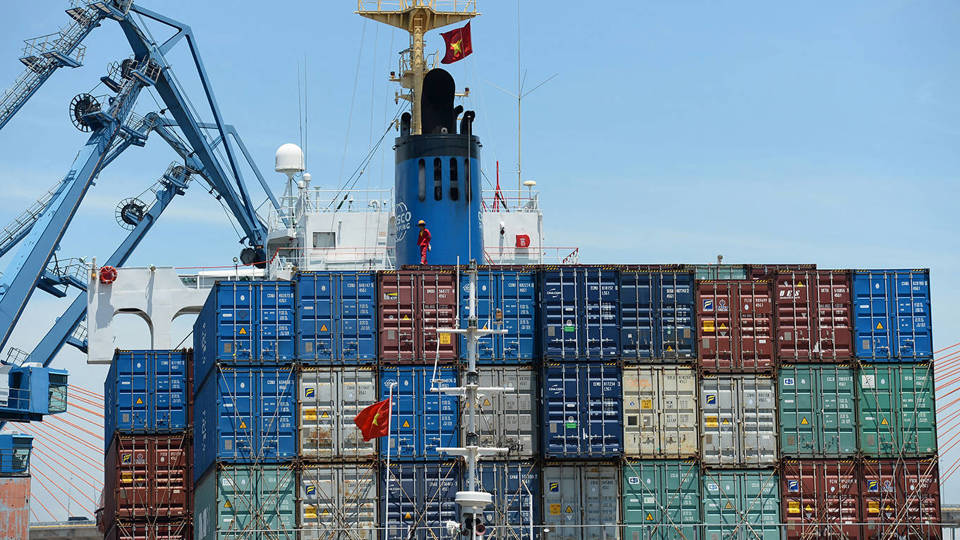
For instance, when the US imposed tariffs on Chinese goods, Chinese companies quickly diversified their supply chains, seeking new suppliers in countries like Vietnam and Mexico. Similarly, when China imposed its own tariffs on American products, US farmers and manufacturers looked for new markets in Europe and Asia. These adjustments have not only mitigated the immediate impact of the trade restrictions but have also led to a more diversified global supply chain.
Moreover, the technological interdependence between the US and China further complicates the idea of decoupling. Both nations have invested heavily in each other's markets, and many of the world's largest technology companies rely on the other's infrastructure and talent pool. The US-China tech rivalry, while intense, has also led to a race for innovation, with both sides seeking to outdo each other in areas like artificial intelligence and semiconductors.
Finally, the global economy's interconnectedness means that any significant shift in US-China relations would have ripple effects across the world. For example, a major trade war between the two could lead to higher prices for consumers, reduced investment, and slower economic growth. This reality has acted as a deterrent for both nations, pushing them to find ways to coexist rather than completely decouple.
In conclusion, while the rhetoric of decoupling between the US and China has been persistent, the reality on the ground shows a resilient and adaptable global economy. The attempts to restrict ties between the two superpowers have inadvertently led to a more diversified and interconnected world, one that is harder to control unilaterally. As both nations continue to navigate their complex relationship, the global economy remains a dynamic and interconnected system that is far from decoupling.