Why Trump’s Speech Was So Worrying
Certain outcomes to the U.S. war in Iran now seem more likely than ever.
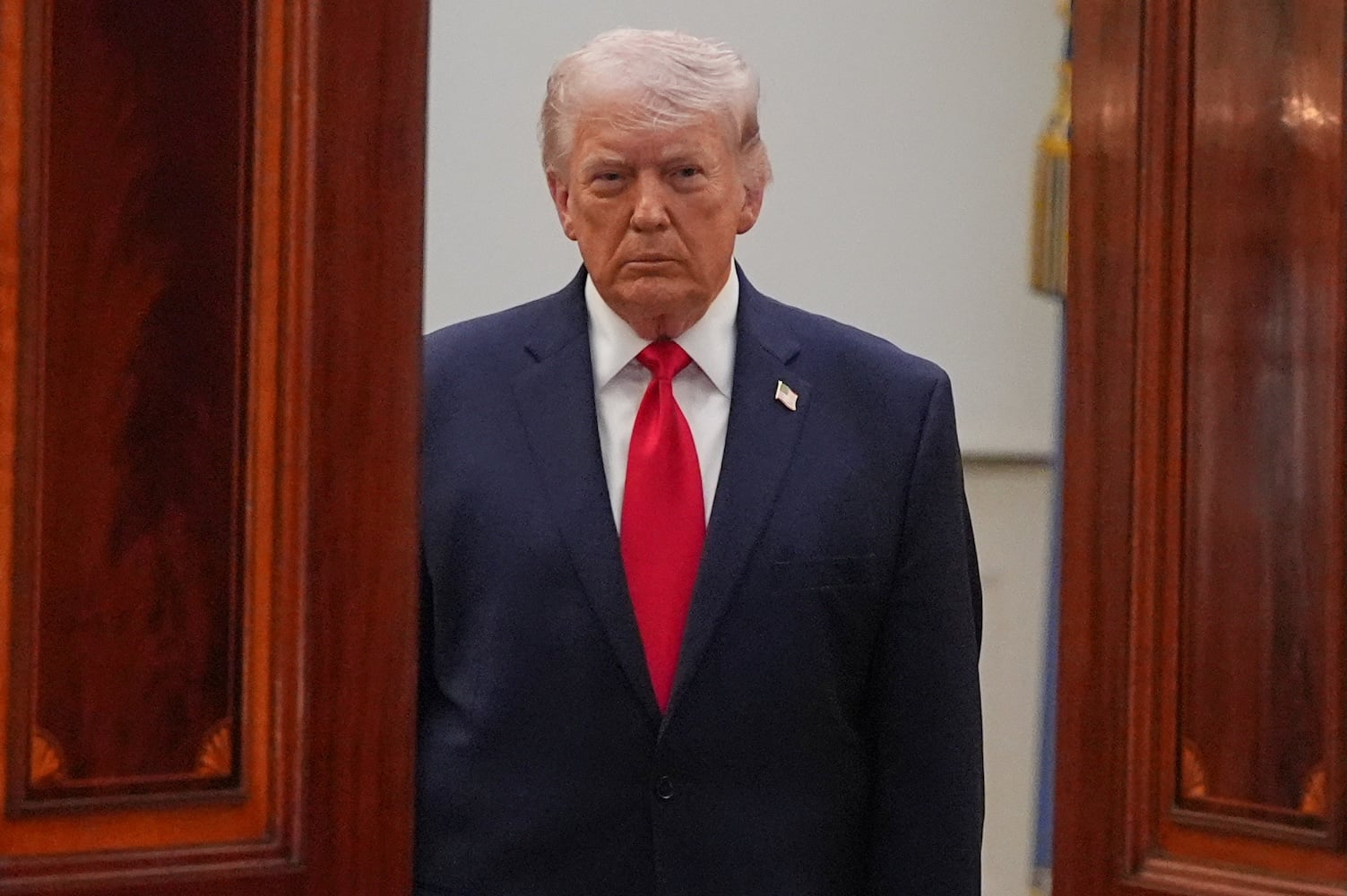
As tensions between the United States and Iran continue to escalate, recent events have raised alarming concerns about the potential for a full-scale war. President Trump's recent speech has been particularly worrisome, as it has significantly increased the likelihood of military conflict. The speech, filled with aggressive rhetoric and unclear intentions, has left many analysts and world leaders on edge, fearing the unpredictable consequences of such a war.
Trump's speech highlighted a number of grievances against Iran, including accusations of sponsoring terrorism and threats to U.S. interests. However, the tone and language used by the president have been unprecedented in recent times. His remarks have been interpreted by many as a call to action, urging military intervention. This has raised concerns among experts who believe that such a speech could inadvertently push Iran towards a defensive posture, potentially leading to a tragic and uncontrollable escalation.
The potential outcomes of a U.S. war in Iran are varied and complex. One of the most immediate concerns is the direct impact on U.S. troops and the region's stability. A full-scale conflict could result in significant casualties and prolonged military involvement, similar to the wars in Iraq and Afghanistan. This would strain U.S. resources and divert attention from other pressing global issues, such as climate change and economic inequality.
Furthermore, a war in Iran could have far-reaching geopolitical repercussions. Iran is a key player in the Middle East, and its instability could destabilize the entire region. This might lead to a power vacuum, which could be exploited by other regional powers or terrorist groups. The risk of nuclear proliferation is also a significant concern, as a war could potentially disrupt Iran's nuclear program and lead to the spread of nuclear weapons to other countries.
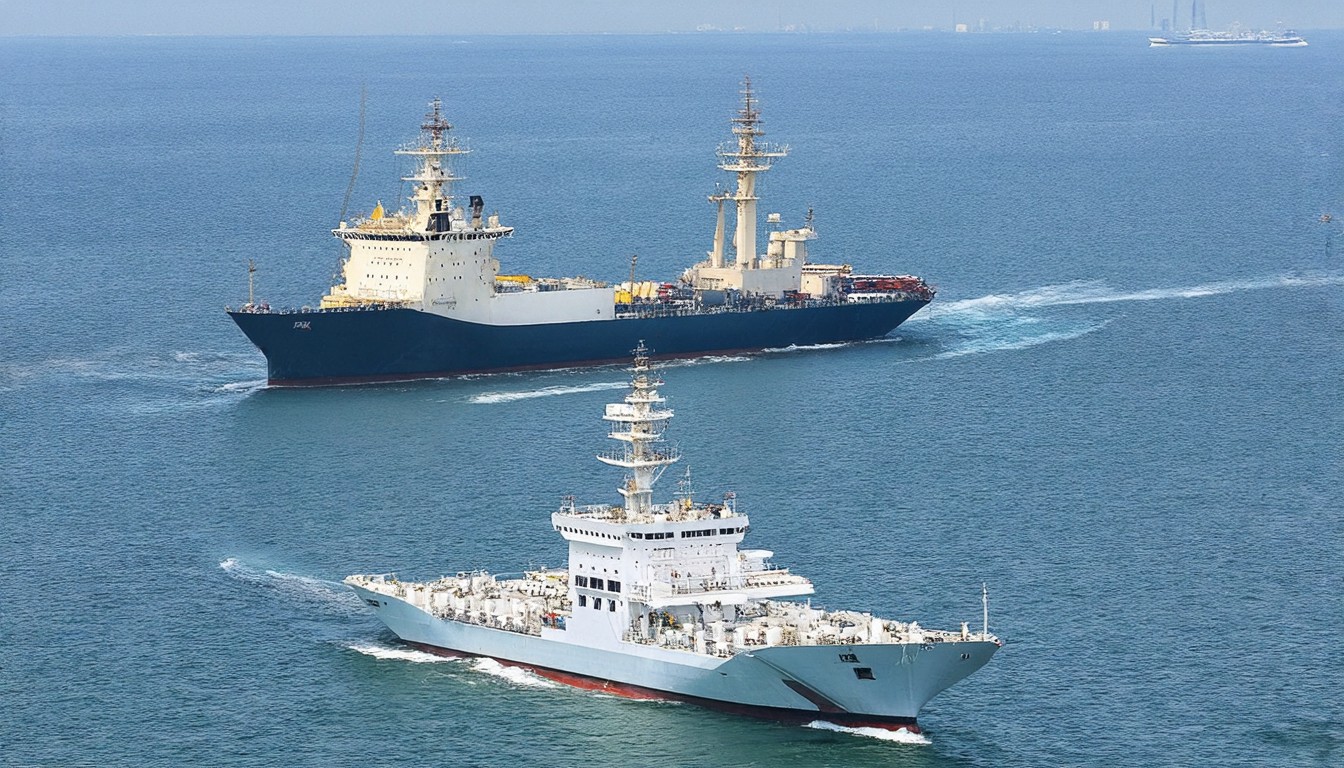
Economically, a war in Iran could have severe consequences. The Persian Gulf is a crucial shipping lane for global trade, and any disruption could lead to spikes in oil prices and global economic instability. Additionally, the U.S. economy, already struggling with inflation and a slow recovery from the pandemic, would be further burdened by the costs of a prolonged war.
Diplomatically, a U.S. war in Iran could damage relations with key allies and adversaries alike. European nations, particularly those reliant on Iranian oil, may be forced to choose sides, potentially straining transatlantic relations. Meanwhile, adversaries like Russia and China could view the conflict as an opportunity to weaken U.S. influence in the region.
In conclusion, Trump's recent speech has significantly increased the likelihood of a U.S. war in Iran, with potentially devastating consequences. The risks to U.S. troops, regional stability, and global economy are immense, and the geopolitical repercussions could be long-lasting. As tensions remain high, it is crucial for all parties involved to exercise caution and seek diplomatic solutions to avoid a catastrophic conflict. The world watches on, hoping for a path forward that avoids the worst-case scenarios that now seem all too possible.