
Why Trump’s latest threat against Iran could be a war crime
For someone who claims to be unconcerned about the Strait of Hormuz, President Donald Trump seems increasingly desperate to open it.  In a Truth Social post over the weekend that was extreme even by his standards, Trump instructed Iran to “open the fuckin’ strait” by this Tuesday or he would make good on earlier threats […]
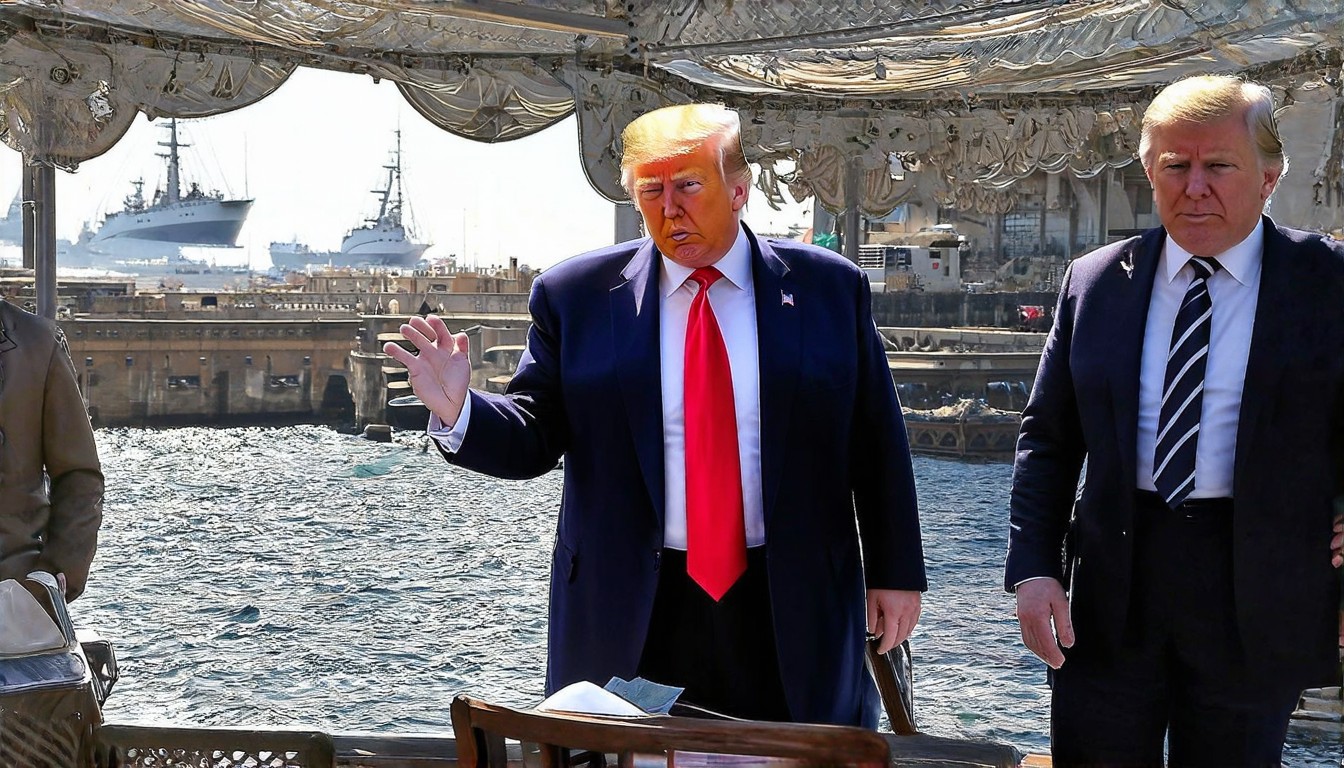
For someone who claims to be unconcerned about the Strait of Hormuz, President Donald Trump's recent rhetoric has taken an alarming turn. In a post on Truth Social over the weekend, Trump instructed Iran to "open the fuckin’ strait" by Tuesday or face consequences, escalating tensions in the region. Earlier this year, Trump had threatened to destroy bridges and power plants across Iran, and now his threats have expanded to include desalination plants and the oil export facility on Kharg Island.
When asked whether these threats could constitute war crimes, Trump dismissed the question, calling Iranian leaders "animals" for allegedly killing "45,000 people in the last month." However, critics argue that Trump's renewed threats to target Iranian infrastructure supplying basic necessities like power and water, coupled with his increasingly aggressive rhetoric, could violate domestic and international laws of war.
Senate Minority Leader Chuck Schumer warned that Trump is "threatening possible war crimes." While most U.S. strikes in Iran have focused on legitimate military targets, such as degrading the country's nuclear, missile, and naval capabilities, a shift toward deliberately targeting civilian infrastructure could be a significant escalation.
The killing of a head of state like Ayatollah Ali Khamenei might still be considered lawful, even if highly unusual. However, Israel's apparent targeting of diplomatic officials involved in negotiations raises questions about justification. The tragic strike on a girls' school in Tehran that killed around 150 students on the first day of the war appears to have been an accident resulting from negligence rather than intent.
If Trump's threats materialize and the U.S. begins deliberately targeting civilian infrastructure, this could mark a hard turn in the conflict, potentially leading to war crimes. The international community must closely monitor these developments to ensure that all parties adhere to the laws of war and protect civilian populations.









