
Why the railways often seem to be in such chaos over Christmas
Parts of Britain’s rail network will close for engineering work over the festive period - but is that the right time to do it?
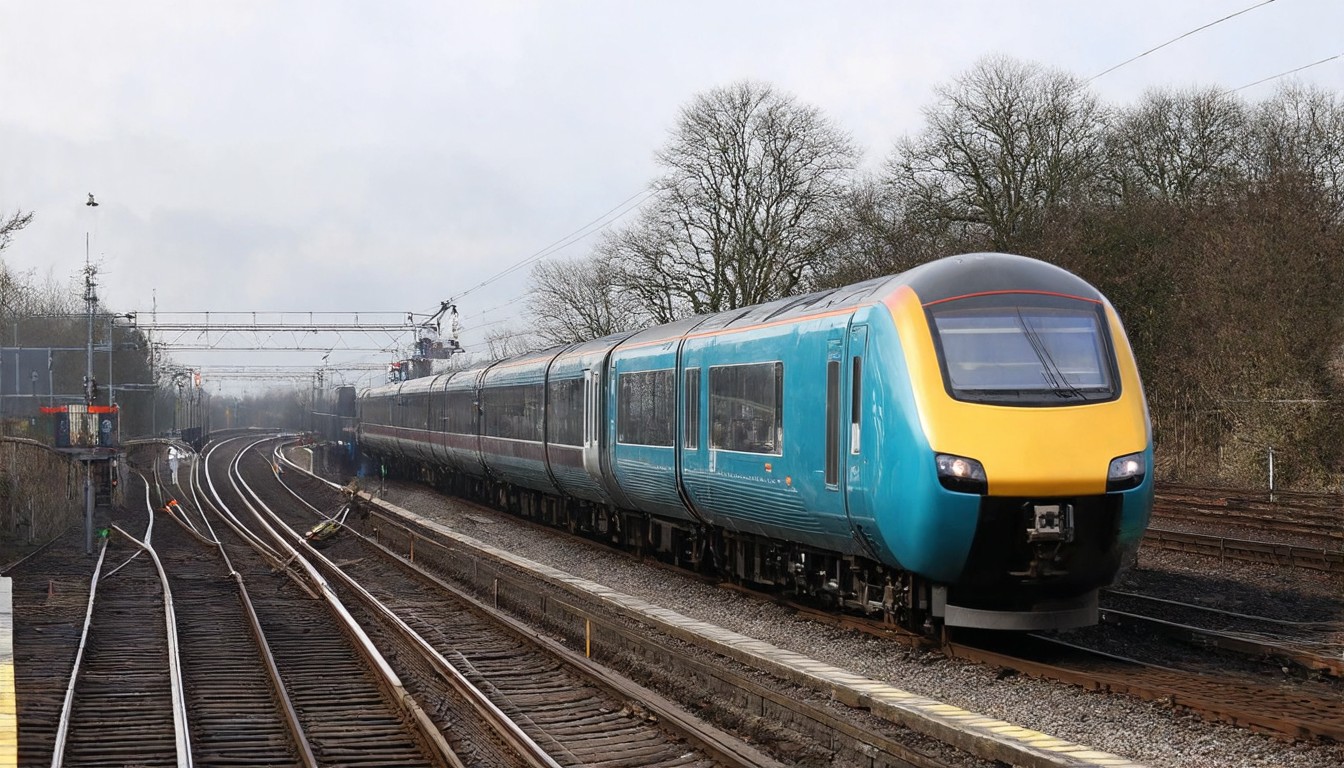
Over the past few Christmases, passengers traveling on Britain’s rail network have experienced significant disruptions, with parts of the system closing for essential engineering work. While the need for maintenance is clear, the timing of these closures has raised questions about whether the festive period is the most appropriate time to carry them out.
The decision to conduct major engineering projects during the holidays is often driven by practical considerations. Rail operators argue that the reduced passenger numbers during Christmas and the New Year provide an opportunity to carry out work that would otherwise be difficult to schedule. Closures can be planned to minimize impact, with services rerouted or replaced by buses where necessary. However, the reality on the ground often differs, with passengers facing delays, cancellations, and frustration.
One of the primary reasons for the closures is the need to maintain the integrity of the rail infrastructure. Tracks, bridges, and signaling systems require regular upkeep to ensure they remain safe and reliable. Without these works, long-term issues could arise, potentially leading to more significant disruptions in the future. Rail companies, such as Network Rail, have a fixed budget and must prioritize their maintenance schedule to cover the entire network.
Despite the logic behind the timing, critics argue that the festive period is a time when rail services are most needed. Families reunite, friends visit, and many people travel to enjoy the festive atmosphere in cities like London or Edinburgh. The stress of holiday travel is compounded by the additional challenges posed by closures and disruptions. Passengers who have planned their trips around the rail network often find themselves scrambling to find alternative arrangements, which can be costly and inconvenient.
Moreover, the impact of closures extends beyond individual travelers. Businesses that rely on the rail network for logistics and commuters who use trains to get to work may also be affected, even if they are not traveling during the holidays. The ripple effects of these disruptions can have a significant impact on the economy and daily life.
Rail operators have been working to mitigate these issues. Some have introduced advance warning systems, allowing passengers to plan their journeys more effectively. Others have increased the availability of alternative transport options, such as buses or taxis, to help those affected by closures. Additionally, some services have been rerouted to bypass closed sections of the network, minimizing the number of cancellations.
Despite these efforts, the challenge remains to find a balance between the need for essential maintenance and the needs of passengers during the busiest travel period of the year. Some suggest that the timing of major engineering works could be adjusted to avoid the peak holiday season, perhaps spreading them out over a longer period or scheduling them during other times of the year when passenger numbers are lower.
In conclusion, the decision to close parts of Britain’s rail network over the festive period is a complex one. While the need for engineering work is undeniable, the timing has the potential to cause significant disruption to travelers and businesses. As rail operators continue to improve their planning and communication strategies, it remains to be seen whether a more optimal solution can be found to ensure that the festive season remains a time of joy and togetherness, rather than frustration and inconvenience.








