
Why Samsung killing Messages is a bigger deal than you think
Google's Android messaging monopoly continues to grow
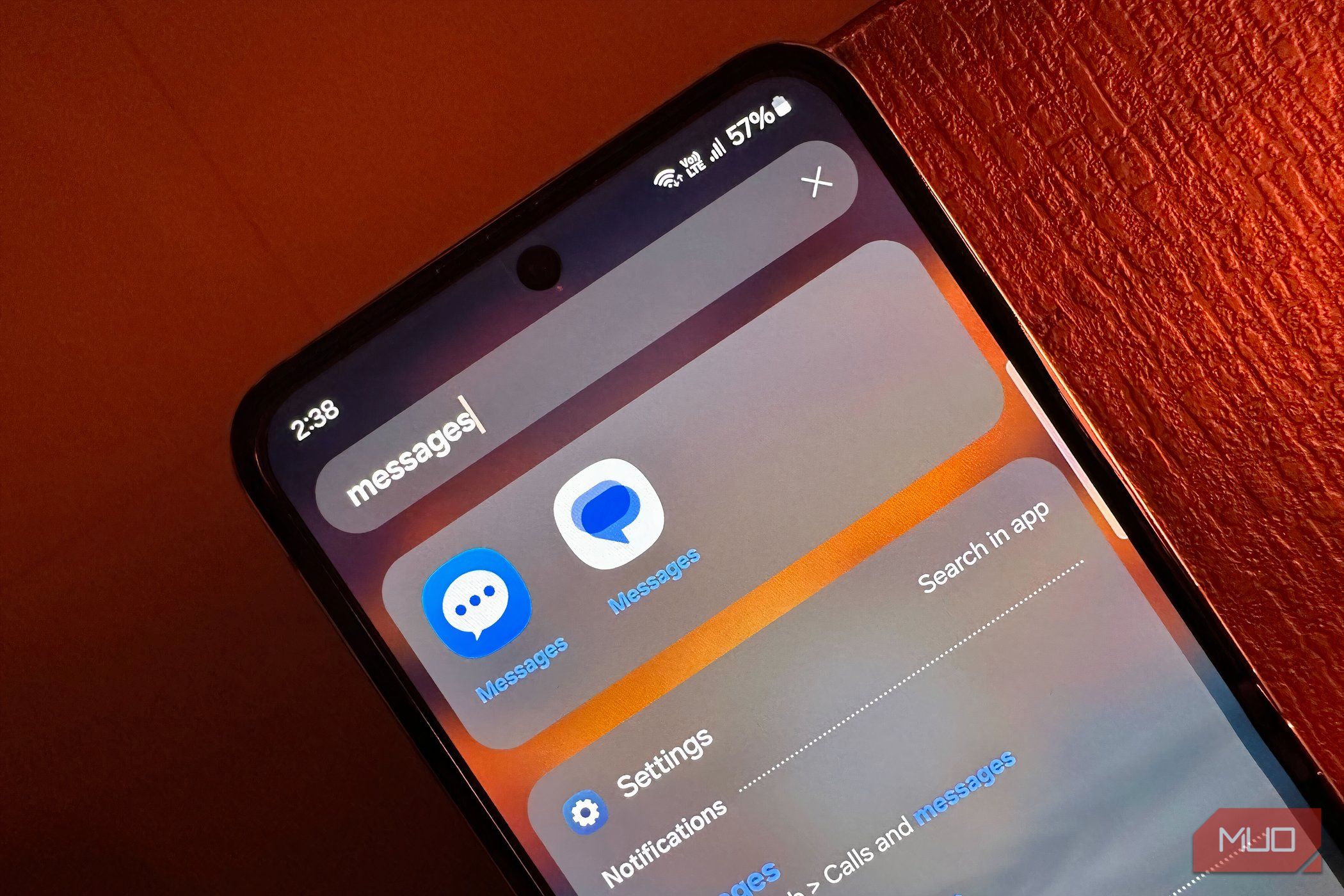
In recent years, Samsung's decision to phase out its proprietary Messages app has sparked significant interest among tech enthusiasts and casual users alike. At first glance, this move might seem like a minor update, but it's actually a reflection of a much larger shift in the tech landscape, particularly within the realm of Android messaging.
For years, Samsung's apps were often dismissed as bloatware — unnecessary additions that cluttered up devices and consumed storage space. Users, myself included, frequently sought to remove these apps to streamline their devices. However, as time has passed, this sentiment has evolved. Samsung's apps have improved, while Google's offerings have arguably stagnated or even deteriorated, leading many to prefer Samsung's alternatives over the default options.
Samsung Messages is a prime example of this transformation. Once a target for derision, the app has now become a favorite among many. It combines a sleek, user-friendly interface with a range of features that make it a compelling choice for messaging. From its ability to handle multiple accounts seamlessly to its integration with Samsung's ecosystem, the app has proven to be a reliable and efficient communication tool.
The decision to phase out Samsung Messages is significant because it underscores the growing dominance of Google's messaging services within the Android ecosystem. Google's Android Messaging app, now rebranded as Google Messages, has become the default choice for many users, thanks in part to its integration with other Google services like Google Assistant and its support for RCS (Rich Communication Services).
However, this shift is not without its critics. Some argue that Google's messaging monopoly stifles innovation and limits user choice. Samsung's Messages app, for instance, offered a more polished and feature-rich experience than Google's default app, which some users found clunky and outdated.
The move to phase out Samsung Messages also raises questions about the future of Samsung's app ecosystem. For years, Samsung has been known for bundling its own apps with its devices, often to the chagrin of users. But as these apps have improved, they've become a point of differentiation for Samsung devices. By aligning more closely with Google's services, Samsung may be sacrificing some of that uniqueness in favor of broader compatibility and integration.
Furthermore, this shift could have broader implications for the Android ecosystem as a whole. As Google continues to tighten its grip on Android services, it raises concerns about the future of the platform's openness and flexibility. While Google's services are undeniably powerful, the loss of alternative apps like Samsung Messages could lead to a less diverse and innovative ecosystem.
In conclusion, Samsung's decision to phase out its Messages app is a symptom of a larger trend within the Android world. It highlights the growing dominance of Google's messaging services and the evolving dynamics of the app ecosystem. While this shift may offer benefits in terms of integration and compatibility, it also raises questions about user choice and innovation. As Samsung and other Android manufacturers navigate these changes, the future of the platform remains uncertain.








