
Why people over the age of 55 are the new problem generation
Baby-boomers are keeping their bad habits into retirement
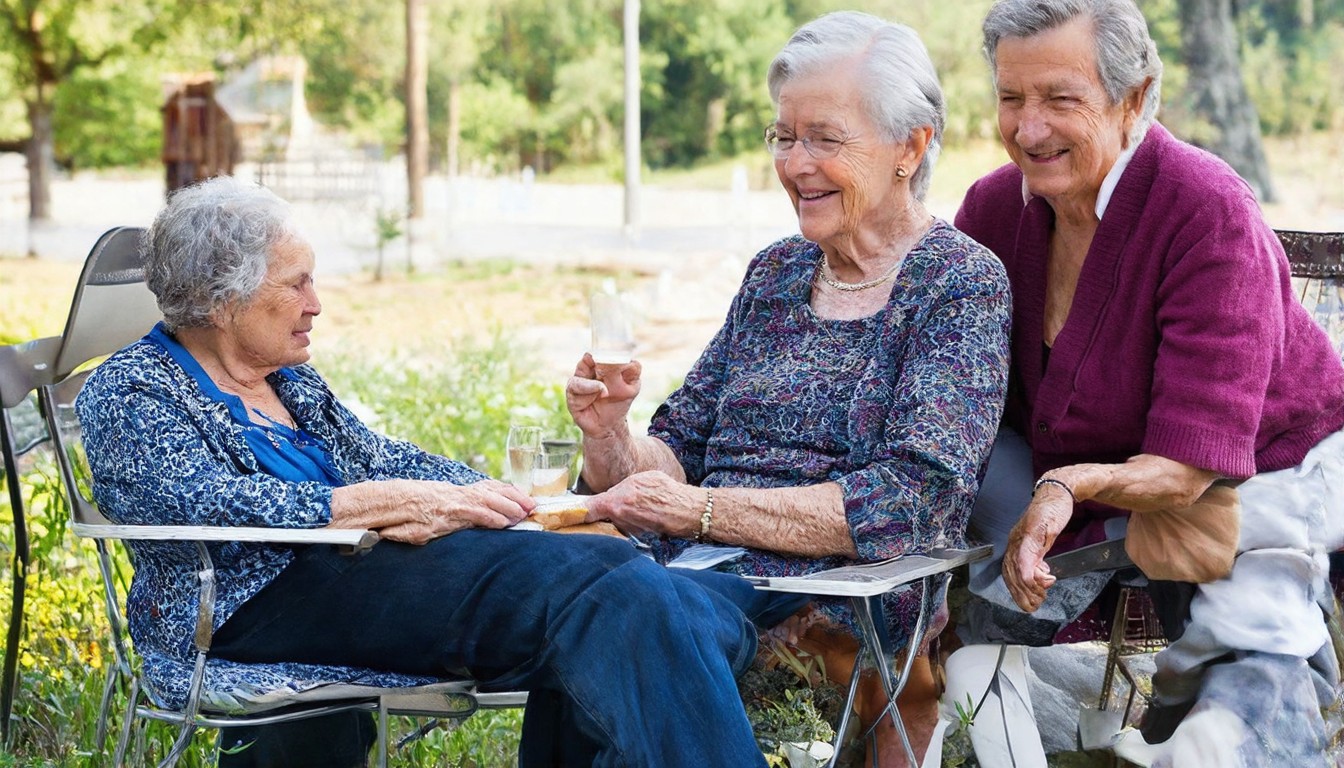
In recent years, there has been growing concern about the impact of baby-boomers, those born between the early 1940s and the mid-1960s, as they transition into retirement. Often referred to as the "silver tsunami," this demographic group is not only the largest in history but also presents unique challenges due to their established habits and lifestyles. Critics argue that baby-boomers are the "new problem generation," as they continue to engage in behaviors that many younger generations find unsustainable or outdated.
One of the most significant issues is the persistence of bad habits. Many baby-boomers have developed routines and preferences over decades that are now becoming entrenched. For instance, their reliance on traditional media, such as newspapers and television, contrasts sharply with the digital-native generations that prioritize social media and streaming services. This divide can lead to communication gaps and a lack of understanding between different age groups.
Furthermore, baby-boomers' consumption patterns often clash with modern sustainability goals. Their habits, shaped by post-war prosperity and a consumer-driven culture, can be seen as wasteful by younger generations. For example, their preference for single-use plastics and disposable products is increasingly criticized for contributing to environmental degradation. Efforts to promote eco-friendly alternatives often face resistance from this demographic, who may view such changes as inconvenient or unnecessary.
Another area of contention is the workforce. Baby-boomers have been pivotal in shaping the modern workplace, but their continued presence can hinder innovation and adaptability. Many companies struggle to balance the need for experienced leadership with the desire to attract and retain younger talent. Critics argue that the prolonged stay of baby-boomers in the workforce stifles opportunities for younger employees and slows the adoption of new technologies.
Healthcare is another critical issue. As baby-boomers age, the demand for medical services increases, putting a strain on healthcare systems. Their health habits, including a higher incidence of chronic diseases, can lead to higher costs and limited resources for younger generations. This situation raises questions about intergenerational equity and the fairness of resource distribution.
However, it is important to note that not all baby-boomers are resistant to change. Many are actively adapting to new technologies and embracing sustainable practices. They are also recognized for their life experience and wisdom, which can be valuable in guiding younger generations.
The debate over whether baby-boomers are the "new problem generation" is complex and multifaceted. While their habits and lifestyles may pose challenges, they also offer opportunities for intergenerational collaboration and mutual learning. Ultimately, the key lies in fostering understanding and cooperation between different age groups to address shared goals and create a more inclusive society.









