Why NASA’s Artemis II Astronauts Won’t Land on the Moon
It has been 50 years since humans last walked the lunar surface, and NASA’s efforts to get back there will take place in stages.
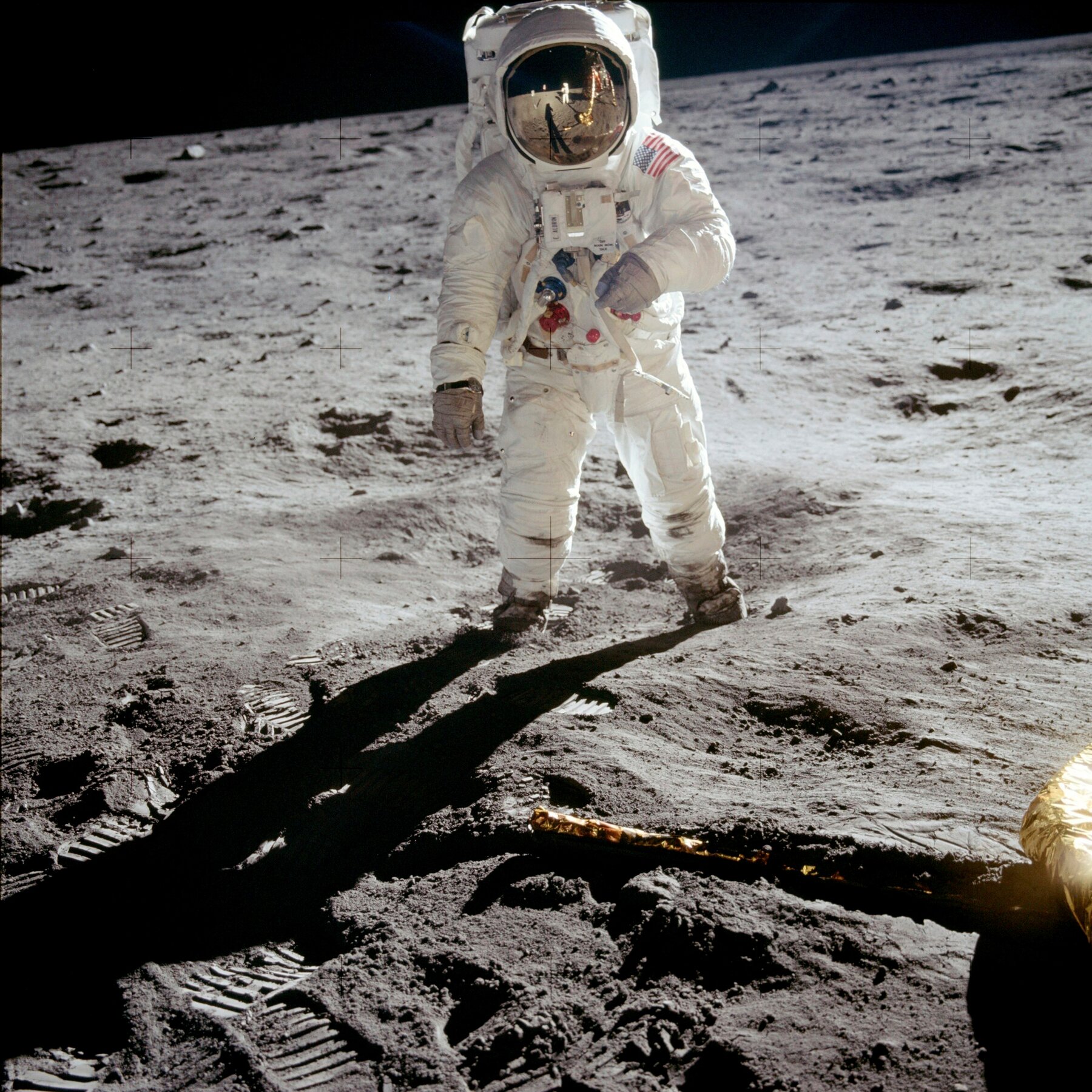
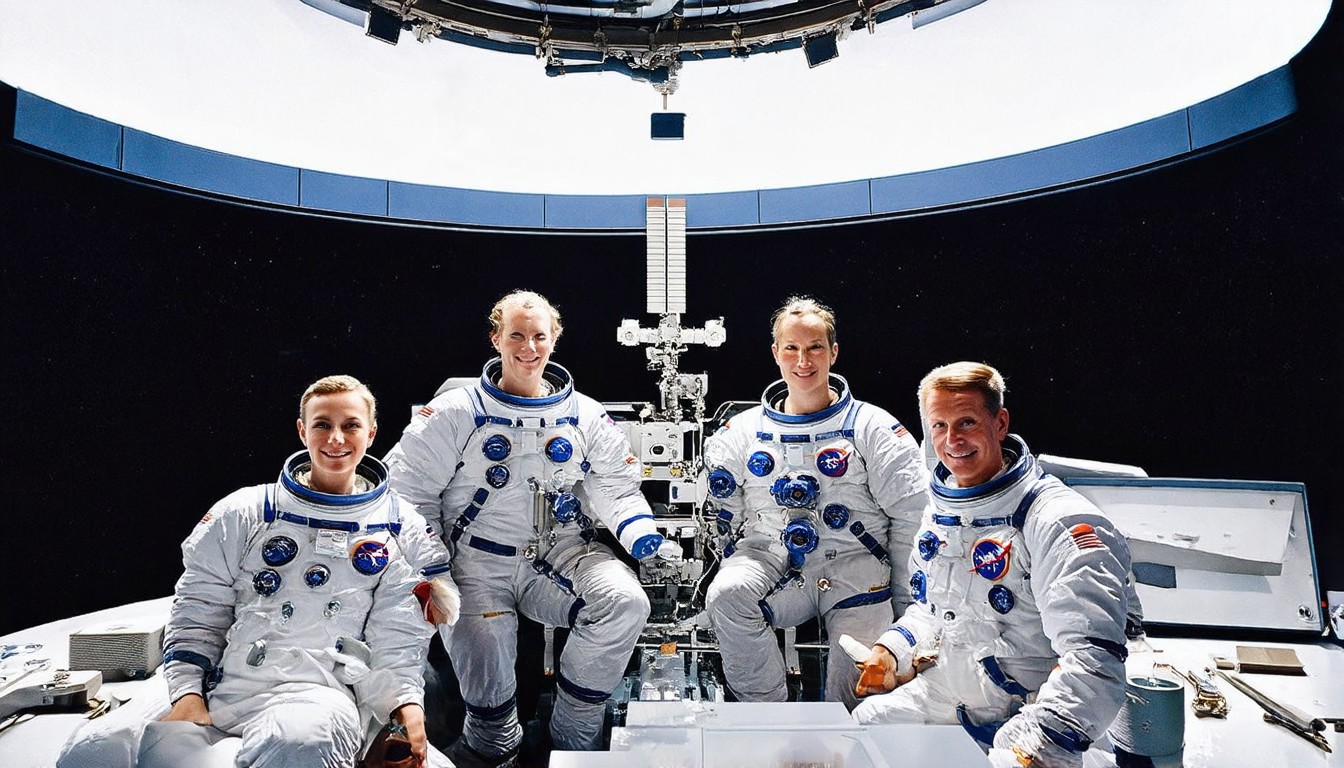
NASA’s Artemis II astronauts are set to embark on a historic mission to return humans to the Moon, marking the first time since the Apollo 17 mission in 1972. However, despite the excitement surrounding this ambitious project, there is a critical detail that often goes unnoticed: the Artemis II crew will not be landing on the Moon. This decision is part of a carefully planned strategy that aims to gradually reestablish human presence on the lunar surface, building on the foundation laid by the Apollo program.
The Artemis program is divided into several phases, each designed to achieve specific milestones. The first phase, Artemis I, is currently underway, with the goal of testing the Orion spacecraft in an uncrewed mission around the Moon. This test flight is crucial for ensuring the safety and reliability of the spacecraft, which will later carry astronauts. The second phase, Artemis II, is scheduled for 2024 and will involve a crewed mission around the Moon. This mission will be a significant step forward, as it will demonstrate the ability of the Orion spacecraft to sustain human life during a lunar journey.
Artemis II is not just about testing technology; it is also about preparing the astronauts for the challenges they will face. The crew will include both men and women, representing a diverse range of skills and experiences. These astronauts will undergo rigorous training to prepare for the unique demands of space travel, including the physical and psychological effects of prolonged exposure to microgravity. By the time Artemis II is launched, NASA will have gained valuable insights into how to best prepare astronauts for future missions, including those that will land them on the lunar surface.
The decision to bypass a landing during Artemis II is rooted in the complexities of lunar exploration. The Moon’s environment is harsh and unforgiving, with extreme temperatures, a lack of atmosphere, and the constant threat of micrometeorite impacts. Landing on the Moon requires not only a reliable spacecraft but also a thorough understanding of the lunar surface and its potential hazards. NASA’s approach of gradually increasing the complexity of missions allows for a more systematic and controlled exploration of these challenges.
Moreover, the Artemis program is not solely focused on lunar exploration. It is also a stepping stone towards the ultimate goal of establishing a sustainable presence on the Moon, including the construction of a lunar base. This base will serve as a critical resource for both scientific research and future space exploration, including missions to Mars. By first establishing a safe and reliable means of reaching the Moon, NASA can ensure that subsequent missions, which will include landings, are better prepared to succeed.
The Artemis II mission is also a significant political and diplomatic endeavor. It represents a renewed commitment to space exploration by the United States and its international partners. The success of Artemis II will send a powerful message to the world, demonstrating the potential of human ingenuity and collaboration in the face of immense challenges. It is a testament to the enduring human desire to explore and understand the universe, and a reminder of the importance of investing in space exploration for both scientific and societal benefits.
In conclusion, while the Artemis II mission may not involve a lunar landing, it is a crucial milestone in NASA’s ambitious plan to return humans to the Moon. By carefully planning and executing each phase of the Artemis program, NASA aims to build a foundation of knowledge and experience that will ultimately enable safe and sustainable lunar exploration. The journey to the Moon, as exemplified by the Artemis II mission, is not just about reaching a celestial body—it is about pushing the boundaries of human capability and inspiring future generations to dream beyond the Earth.