Why Modi is silent on Pakistan Minister's threat to attack Kolkata, asks Abhishek
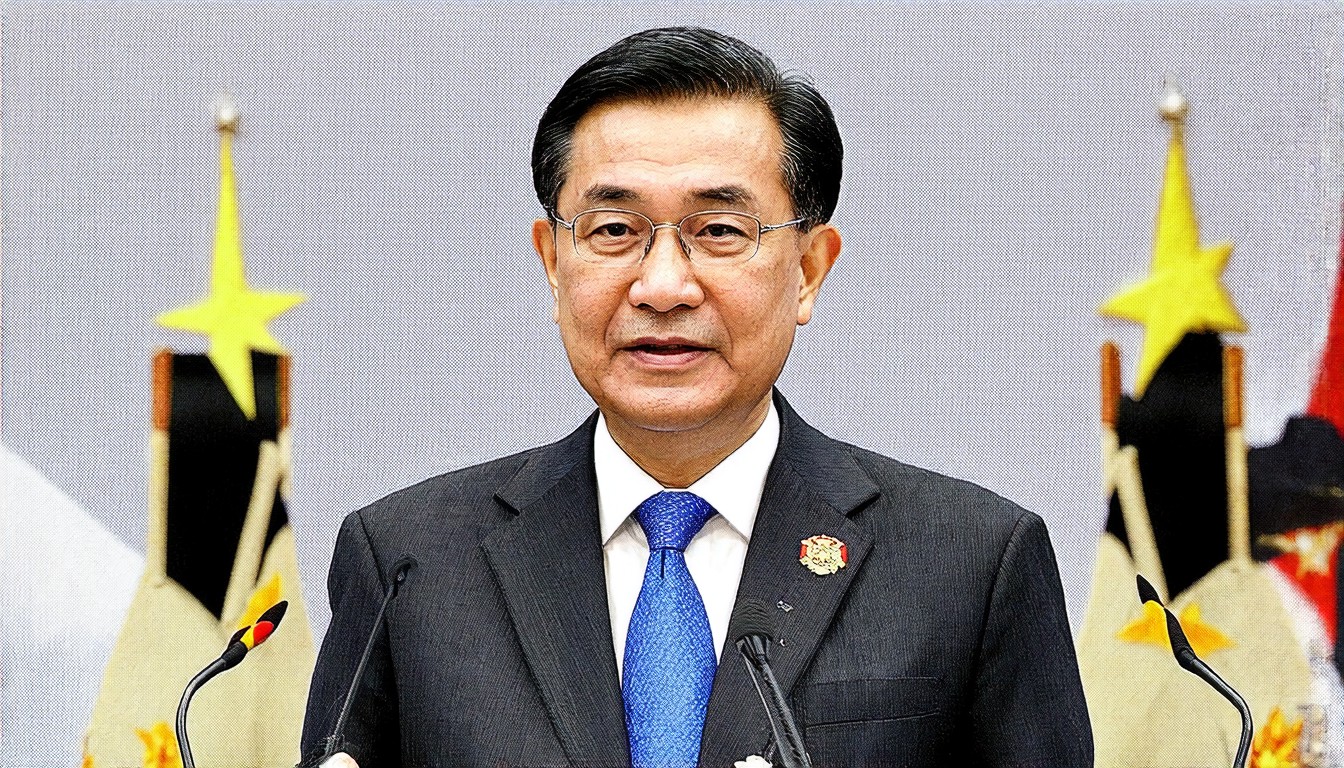
Pakistan’s Defence Minister Khawaja Asif had on April 4 warned that his country would respond with a strike on Kolkata to any "future misadventures" by India
Indian Prime Minister Narendra Modi has been silent on Pakistan's Defence Minister Khawaja Asif's recent threat to retaliate with a strike on Kolkata in the event of any future "misadventures" by India. The warning, issued on April 4, has raised tensions between the two nuclear-armed neighbors, sparking questions about the government's strategy to address such provocations.
Khawaja Asif's statement came during a meeting of the Pakistan Army's high-ranking officers, where he emphasized the need for a robust defense strategy to counter any potential aggression from India. The minister's comments were met with concern in India, particularly in the eastern state of West Bengal, where Kolkata is located. The city, known for its historical and cultural significance, is also a major commercial hub, and the threat of a military strike has raised fears among its residents and businesses.
Indian officials have not yet responded directly to the warning, leaving the situation in limbo. Some analysts speculate that the government is carefully weighing its options before issuing a public statement. Others suggest that the silence could be a calculated move to avoid escalating tensions further. Regardless of the reason, the lack of immediate response has fueled speculation about the broader implications of the threat.
The history of India-Pakistan relations is marked by several conflicts, including the 1971 Indo-Pakistan War, which resulted in the independence of Bangladesh. While the two countries have signed agreements to promote peace and cooperation, such as the 2004 "Agenda for Peace," tensions often flare over disputes over Kashmir, cross-border terrorism, and military posturing. The recent warning from Pakistan's Defence Minister adds another layer of complexity to these long-standing issues.
In the aftermath of the threat, there has been a call for diplomatic engagement to de-escalate the situation. Experts have urged both countries to engage in dialogue through established channels, such as the Joint Working Group (JWG) or the Steering Committee of the India-Pakistan Joint Commission. These forums have been instrumental in addressing past disputes and could potentially help mitigate the current crisis.
However, the effectiveness of such diplomatic efforts is uncertain. In the past, similar warnings from Pakistan have led to increased military alertness in India, with both sides deploying troops along their disputed borders. The threat to Kolkata, a major Indian city, adds a new dimension to these tensions, as it raises the stakes of any potential conflict.
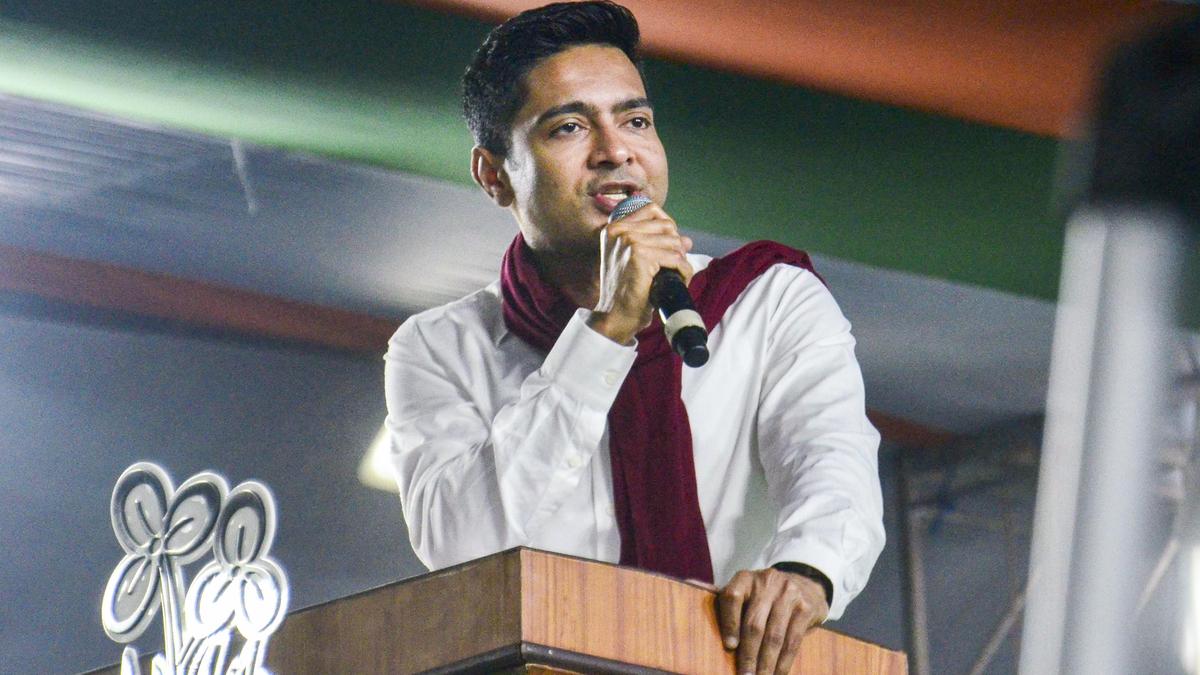
The silence from Prime Minister Modi has also prompted questions about the role of the Indian National Congress (INC) leader Abhishek Bachchan, who has been vocal in his criticism of the government's handling of the situation. Bachchan has called for a more assertive response to Pakistan's threats, arguing that the government's hesitation could be perceived as a sign of weakness.
In the meantime, the situation remains volatile, with both countries' militaries on high alert. The threat to Kolkata has underscored the need for a robust defense strategy and the importance of maintaining a strong military presence. For the people of Kolkata, the uncertainty has led to increased anxiety, with many expressing concerns about the potential impact of a military strike.
As the situation continues to unfold, it remains to be seen how India will respond to Pakistan's warning. The stakes are high, and any misstep could have far-reaching consequences for the region. The onus is on both governments to act responsibly and engage in constructive dialogue to avoid further escalation and ensure the security and stability of their citizens.