Why Hungary’s Election Could Swing on Roma Votes
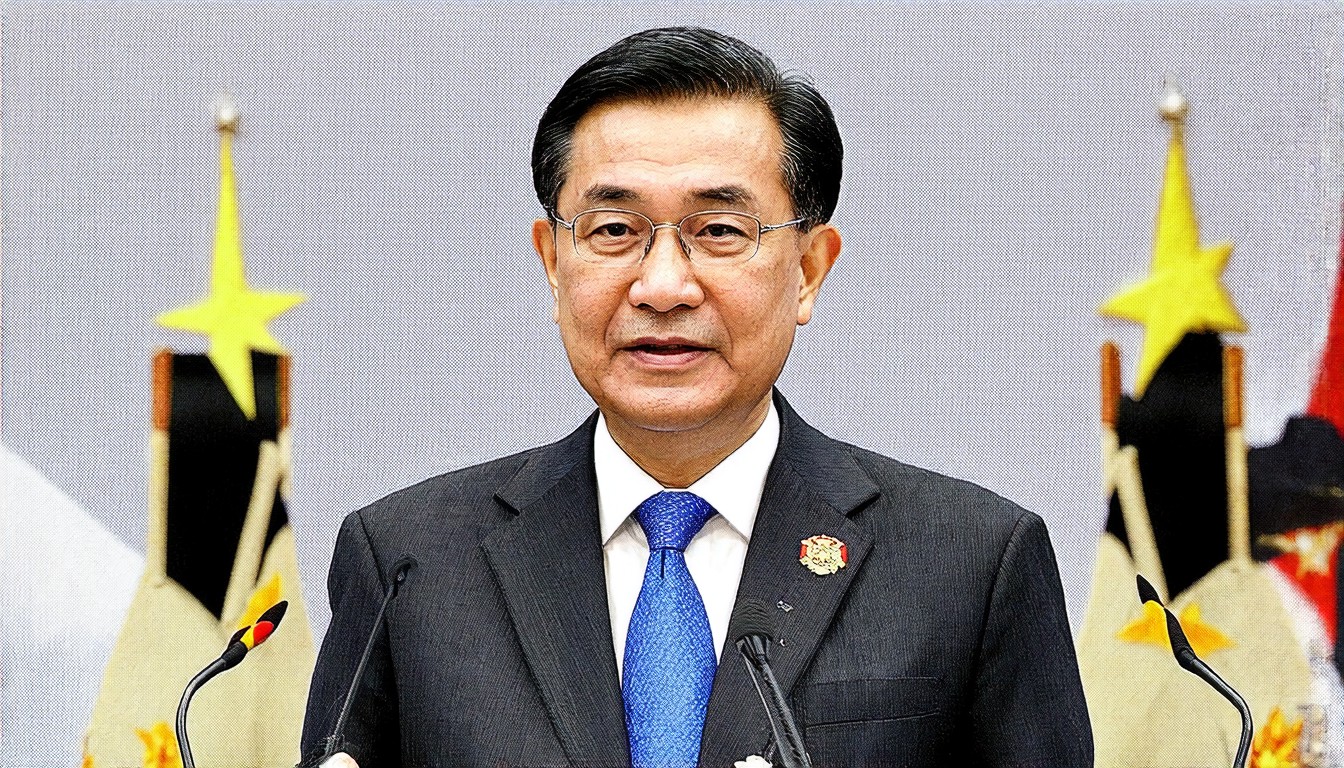
Prime Minister Viktor Orban’s policies affecting the Roma minority have put those voters in play in upcoming parliamentary elections. In a tight race, they could make the difference.

In the shadow of Hungary’s upcoming parliamentary elections, the fate of the country could hinge on the votes of Hungary’s Roma minority. Prime Minister Viktor Orban’s policies, which have long been criticized for marginalizing the Roma community, have left this group of voters in a pivotal position. As the race tightens, the potential impact of Roma voters on the election outcome cannot be ignored.
Orban’s government has been accused of discriminatory practices and policies that disproportionately affect the Roma population. These actions have led to widespread distrust and resentment among the minority, who now face significant challenges in accessing basic services and opportunities. The Roma community, which constitutes around 10% of Hungary’s population, has historically been a marginalized group, and recent policies have only exacerbated these issues.
The Roma minority’s potential to sway the election stems from the fact that the current government’s majority is narrow. In the 2018 parliamentary elections, Orban’s Fidesz party secured a supermajority, but recent polls suggest that support for the ruling coalition is waning. Analysts argue that if the Roma community chooses to vote en masse, it could tip the balance in favor of opposition parties. This scenario would mark a significant shift in Hungary’s political landscape, as the Roma minority has traditionally been underrepresented in the political process.
However, the Roma community’s voting behavior is not uniform. While many members of the community have expressed dissatisfaction with Orban’s policies, others remain loyal to the ruling party. This division is partly due to the fact that Fidesz has historically provided social welfare programs that benefit the Roma population. These programs, while controversial, have helped to secure some support from the minority.
Opposition parties are now vying for the Roma vote, recognizing its potential to alter the election’s outcome. They have been actively campaigning to win over the minority, promising to address systemic discrimination and improve access to education, healthcare, and employment opportunities. These promises resonate with many Roma voters, who have long felt marginalized and overlooked by the government.
The stakes are high for both the ruling party and the opposition. If the Roma community chooses to vote in large numbers, it could lead to a significant shift in power. This would force the government to reconsider its policies and address the long-standing issues facing the minority. On the other hand, if the Roma vote remains divided or if turnout is low, Orban’s government could maintain its hold on power.
The upcoming elections in Hungary are not just about the fate of one party but also about the future of the Roma minority. The community’s votes could serve as a barometer of dissatisfaction with the current government and its policies. As the election day approaches, the eyes of the nation are on the Roma voters, whose decisions could swing the outcome and reshape Hungary’s political trajectory.
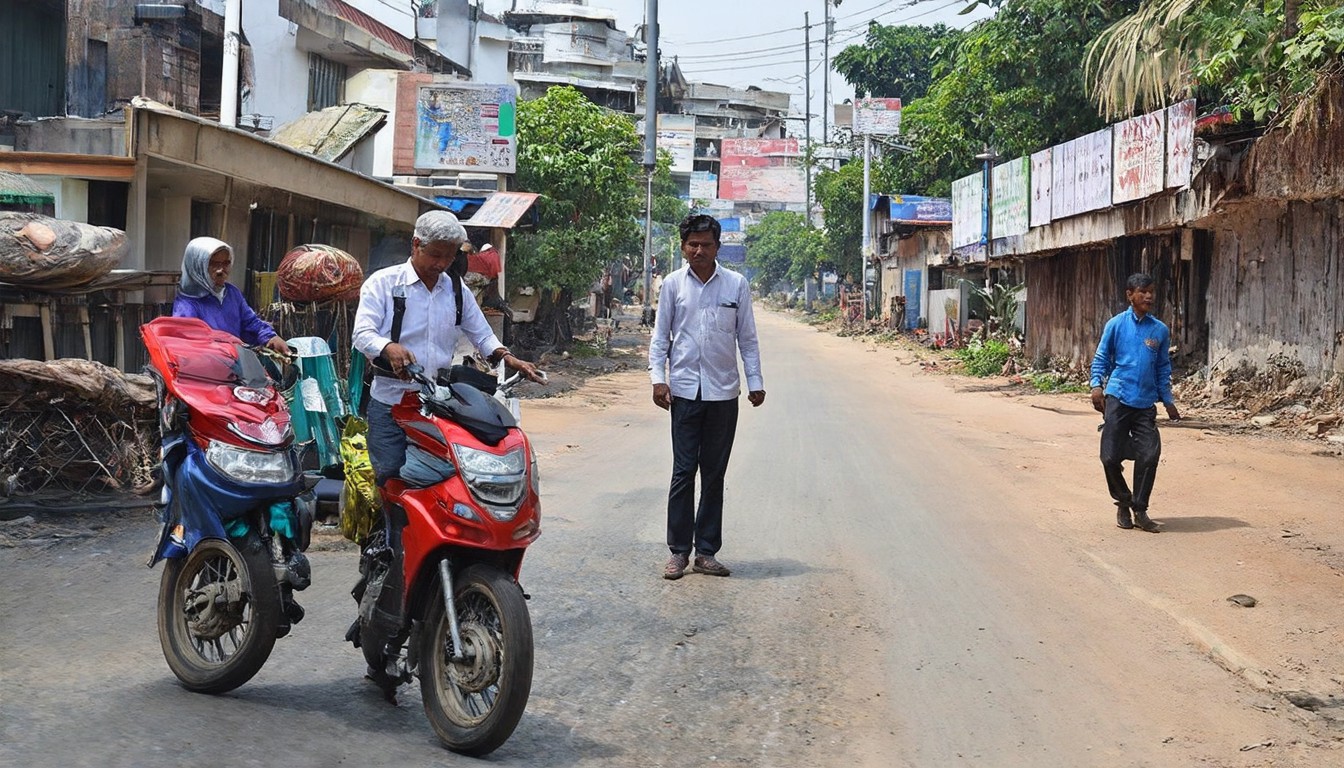
In the small town of Kalocsa, where Roma and non-Roma children attend a mixed kindergarten, the tensions and hopes surrounding the election are palpable. Parents discuss the implications of the upcoming vote, while educators work to foster a sense of unity and understanding among the children. This scene, representative of the broader national context, underscores the importance of the Roma vote in shaping Hungary’s future.
As the election looms, the Hungarian government and opposition parties must confront the challenges posed by the Roma minority. The outcome of these elections will not only determine the political landscape but also highlight the ongoing struggle for equality and inclusion in Hungary. The fate of the Roma community, and their potential to sway the election, serves as a stark reminder of the need for meaningful change and a more inclusive political system.