Why Europe Is Unlikely to Face an Inflation Surge
In 2021-22, the European Central Bank failed to pay sufficient heed to mounting inflationary pressures, leading to a delayed response that made matters much worse. While today’s energy-price shock remains less acute than the one caused by Russia’s 2022 invasion of Ukraine, the ECB appears committed to a more proactive response.
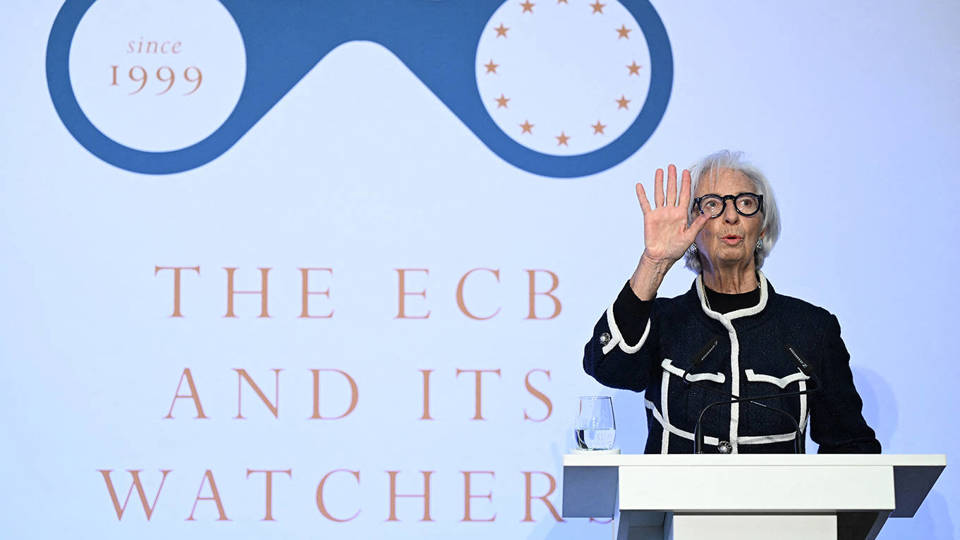
In recent years, Europe has faced significant challenges related to inflation, with the European Central Bank (ECB) struggling to manage the situation effectively. During the 2021-2022 period, the ECB was criticized for not paying enough attention to the rising inflationary pressures, which led to a delayed response. This delayed action exacerbated the problem, causing more severe inflationary pressures than necessary.
The root of these issues can be traced back to the global economic landscape and the specific challenges faced by European economies. The ECB's mandate is to maintain price stability, and it has traditionally adopted a more accommodative monetary policy to support economic growth, especially after the 2008 financial crisis. However, this approach has been called into question in recent years as inflation began to rise.
One of the key factors contributing to the inflationary pressures in Europe was the energy-price shock caused by Russia's invasion of Ukraine in 2022. This event led to a sharp increase in energy costs, which in turn contributed to higher inflation rates across Europe. Despite the significant impact of this shock, the current energy-price situation is somewhat less acute compared to the peak inflation experienced during and immediately after the invasion.
Despite the challenges, the ECB has shown a more proactive approach in recent months. Recognizing the need to address inflationary pressures more effectively, the ECB has started to tighten its monetary policy. This includes raising interest rates and signaling a stronger commitment to inflation targeting. The ECB's actions are aimed at restoring price stability and ensuring that inflation returns to its target range of below, but close to, 2%.
The ECB's proactive response is a significant shift from its previous stance, which some economists argue was too passive. By taking a more assertive approach, the ECB is attempting to prevent a prolonged period of high inflation that could have detrimental effects on economic growth and consumer confidence.
However, the effectiveness of the ECB's measures is not guaranteed. Europe's economies are still grappling with the aftermath of the pandemic and the ongoing geopolitical tensions. Additionally, the global economic outlook remains uncertain, with concerns about a potential recession in major economies like the United States and China. These factors could impact Europe's inflation trajectory and the ECB's ability to achieve its goals.
Moreover, the ECB's actions are not without risks. Tightening monetary policy too aggressively could lead to a slowdown in economic growth, increasing unemployment, and causing social unrest. On the other hand, failing to address inflation could result in long-term damage to price stability and erode public trust in the ECB.
In conclusion, while Europe has faced significant inflationary pressures in recent years, the ECB's more proactive response suggests that a full-blown inflation surge is unlikely. However, the situation remains delicate, and the ECB must carefully balance its actions to ensure price stability without causing unnecessary economic harm. The key will be to maintain a steady and consistent approach to monetary policy, while closely monitoring the evolving economic and geopolitical landscape. Only then can the ECB hope to manage inflation effectively and support sustainable economic growth in Europe.