Why Europe Is Unlikely to Face an Inflation Surge
In 2021-22, the European Central Bank failed to pay sufficient heed to mounting inflationary pressures, leading to a delayed response that made matters much worse. While today’s energy-price shock remains less acute than the one caused by Russia’s 2022 invasion of Ukraine, the ECB appears committed to a more proactive response.
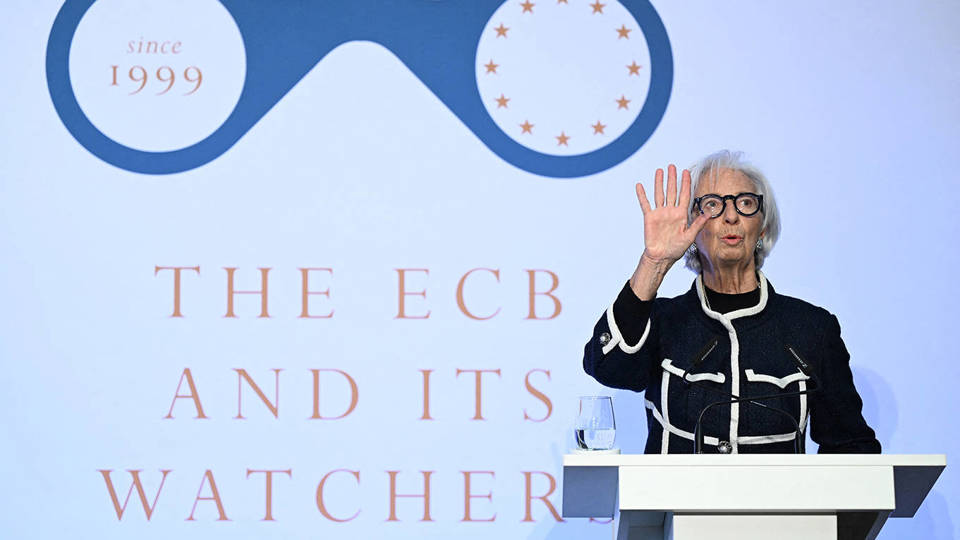
In recent years, Europe has faced significant challenges related to inflation, with the European Central Bank (ECB) struggling to manage rising prices effectively. During the 2021-2022 period, the ECB was criticized for not paying enough attention to the mounting inflationary pressures, which resulted in a delayed response that exacerbated the situation. However, as the continent navigates the current energy-price shock, which is less severe than the one caused by Russia's 2022 invasion of Ukraine, the ECB is now showing a more proactive approach to addressing inflation.
The delayed response by the ECB in 2021-2022 was a significant issue. As inflationary pressures began to build, the ECB initially underestimated the severity of the situation. This led to a slower reaction, allowing inflation to escalate beyond the desired levels. The consequences of this delayed action were felt across Europe, with many countries experiencing higher-than-expected inflation rates. The ECB's initial inaction was partly due to its focus on the aftermath of the COVID-19 pandemic, which had caused severe economic disruptions and a need for stimulus measures.
However, the ECB's approach has since changed. Recognizing the need for a more robust strategy to combat inflation, the central bank has adopted a more proactive stance. This includes increasing interest rates and tightening monetary policy to curb inflationary pressures. The ECB has also emphasized the importance of maintaining price stability, which is a key mandate of the central bank. By taking these steps, the ECB aims to ensure that inflation remains within the desired range, avoiding the pitfalls of the past.
Despite the ECB's proactive measures, the current energy-price shock remains a concern. While it is less acute than the one caused by Russia's invasion of Ukraine in 2022, it still has the potential to impact inflation levels in Europe. The invasion led to significant disruptions in energy markets, causing prices to spike and contributing to inflationary pressures. Although the situation has stabilized somewhat, the ECB remains vigilant, closely monitoring energy prices and other economic indicators.
The ECB's commitment to a more proactive response is a positive development. By learning from past mistakes and adopting a more assertive strategy, the central bank is better positioned to manage inflationary pressures. This proactive approach is crucial, as Europe continues to grapple with the economic fallout from the pandemic and the ongoing geopolitical tensions.
In conclusion, while Europe faced challenges with inflation in 2021-2022 due to the ECB's delayed response, the central bank is now taking a more proactive stance to address these issues. Although the current energy-price shock remains a concern, the ECB's commitment to price stability and its efforts to tighten monetary policy suggest that the continent is less likely to face a significant inflation surge. The key to managing inflation will be the ECB's ability to balance the need for growth with the need to keep prices in check, ensuring a stable economic environment for European countries.