Why Close Contests Are Common In Kerala: Five Seats That Show How Tight The Race Gets
Kerala elections feature narrow margins despite LDF wins, bipolar LDF UDF contests, fragmented mandates, local issues and coalition arithmetic make small vote swings decisive.
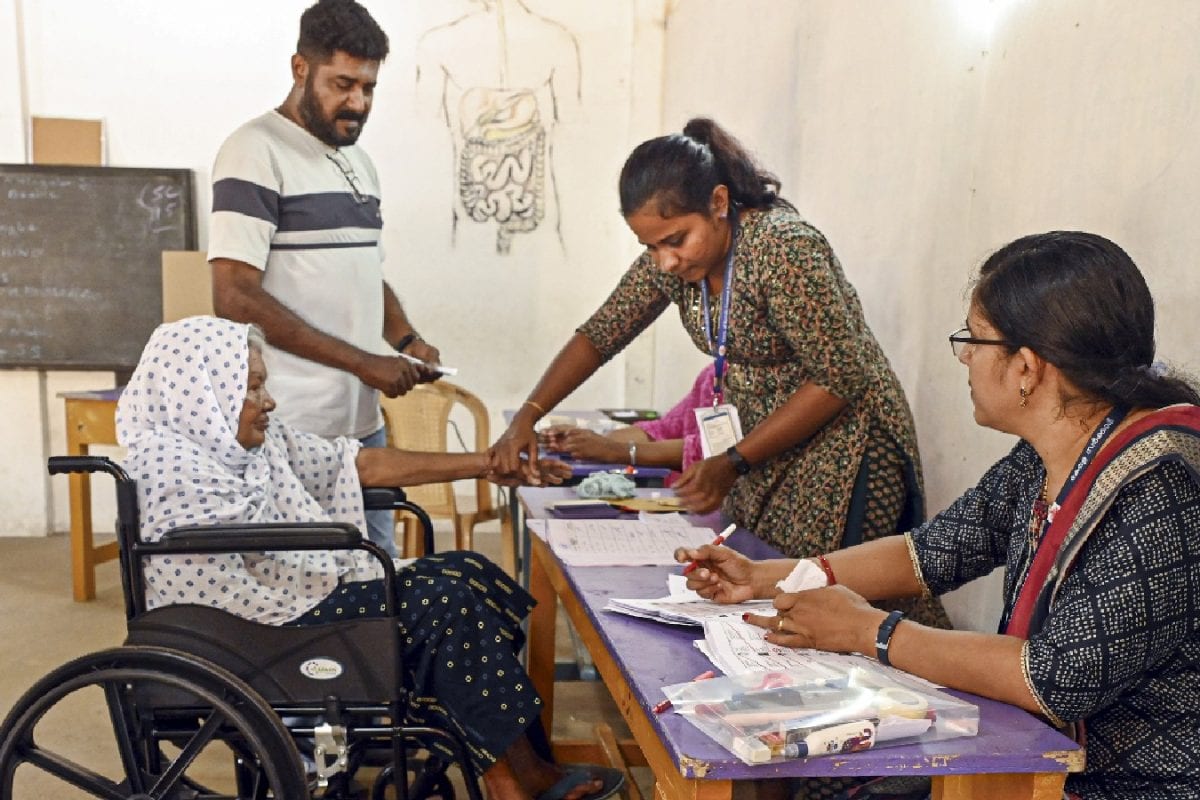
In the state of Kerala, elections often result in close contests, despite the Left Democratic Front (LDF) consistently emerging as the winner. This phenomenon is not merely a coincidence but rather a reflection of the complex political dynamics at play in the region. The state's electoral landscape is characterized by bipolar LDF-UDF (United Democratic Front) contests, fragmented mandates, local issues, and coalition arithmetic, all of which contribute to the narrow margins observed in many elections.
The bipolar nature of Kerala's politics is a defining feature of its electoral system. The LDF and UDF, which are the two major political alliances in the state, have dominated the political arena for decades. This bipolarity creates a situation where the majority of constituencies are contested between these two alliances. As a result, the political competition is intense, and the outcome often hinges on small vote swings. This intense rivalry between the LDF and UDF leads to close contests, as both alliances strive to secure the maximum number of seats.
Another significant factor contributing to the prevalence of close contests in Kerala is the fragmented nature of the mandates. The state's electoral system is based on a first-past-the-post (FPTP) method, which means that the candidate who receives the most votes in a particular constituency wins the seat, regardless of the overall majority. This system can lead to a situation where the winning candidate does not have a significant majority, resulting in narrow margins of victory.
Local issues also play a crucial role in determining the outcome of close contests in Kerala. The state's political landscape is diverse, with varying socio-economic conditions and regional identities. Candidates often tailor their campaigns to address the specific concerns and needs of their constituents. This focus on local issues can lead to close contests, as candidates vie for the support of voters who are influenced by regional and local factors.
Coalition arithmetic is yet another factor that contributes to the prevalence of close contests in Kerala. The state's political parties frequently form alliances and coalitions to maximize their chances of winning elections. These alliances can shift over time, leading to unpredictable outcomes. In some cases, small changes in coalition arrangements can result in close contests, as the balance of power between the LDF and UDF is delicate.
To illustrate the prevalence of close contests in Kerala, it is helpful to examine specific examples. In the 2021 Kerala Legislative Assembly elections, five seats saw narrow margins of victory. These seats—Thiruvananthapuram, Kannur, Kollam, Kottayam, and Idukki—demonstrate the tightness of the electoral race in the state.
In Thiruvananthapuram, the LDF candidate secured a victory margin of just 1,547 votes out of a total of 204,179 votes cast. Similarly, in Kannur, the LDF candidate won by a margin of 1,084 votes out of a total of 198,419 votes. These narrow margins highlight the fact that small vote swings can have a significant impact on the outcome of elections in Kerala.
The close contests in these seats can be attributed to the factors mentioned earlier. The bipolar LDF-UDF contests, fragmented mandates, local issues, and coalition arithmetic all played a role in determining the narrow margins of victory. In some cases, the outcome was decided by a small number of votes, reflecting the intense political competition in the state.
In conclusion, the prevalence of close contests in Kerala is a result of a complex interplay of factors, including bipolar LDF-UDF contests, fragmented mandates, local issues, and coalition arithmetic. These factors create an electoral landscape where small vote swings can have a significant impact on the outcome of elections. The examples of close contests in seats such as Thiruvananthapuram, Kannur, Kollam, Kottayam, and Idukki demonstrate the tightness of the electoral race in the state. As Kerala continues to navigate its unique political dynamics, the phenomenon of close contests is likely to persist, reflecting the intricate balance of power in the region.