
Why AI adoption isn’t just a tech problem, but a retention risk
Are tech companies overlooking employee concerns about AI integration?
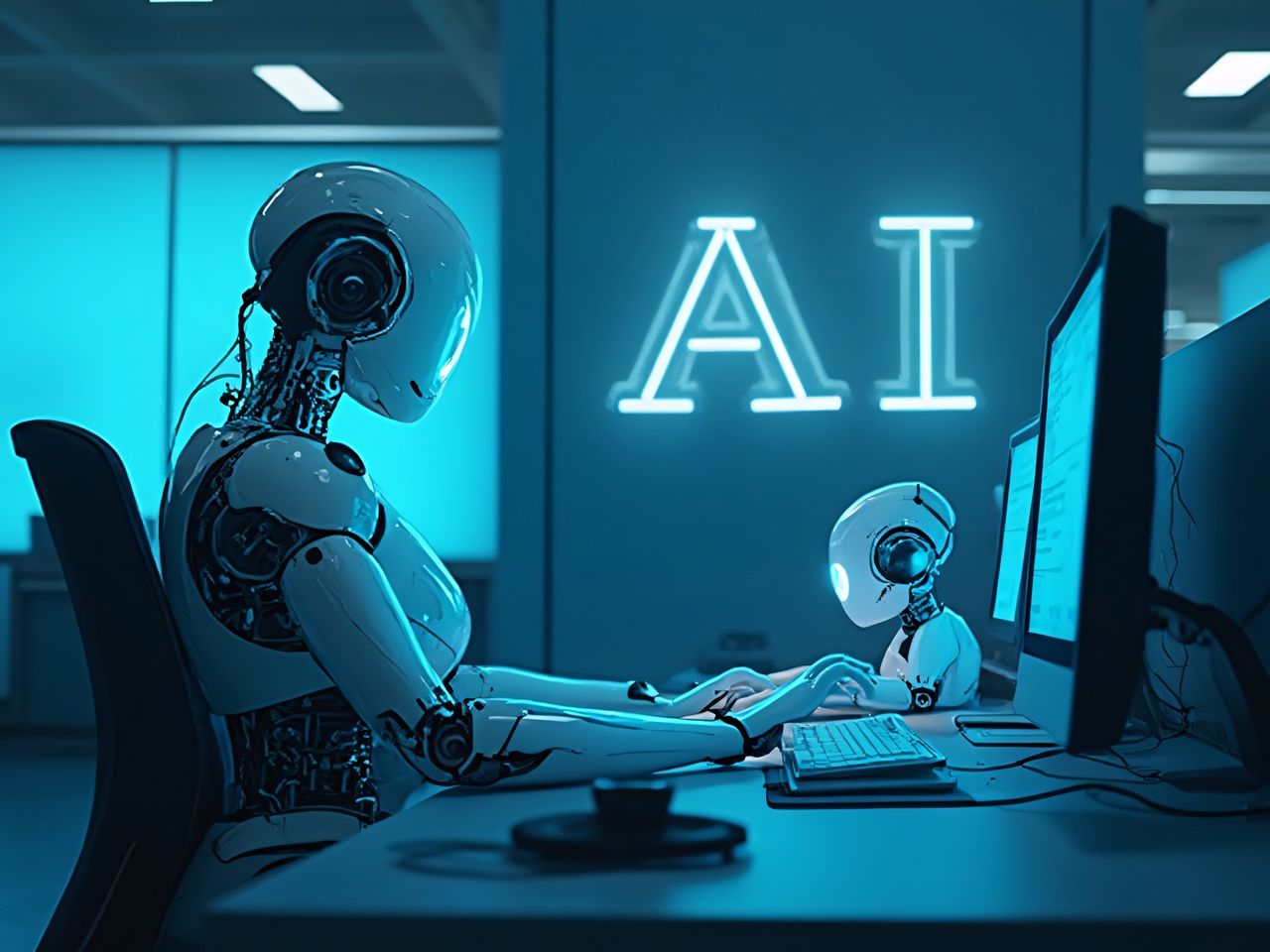
In recent years, the integration of artificial intelligence (AI) into the workplace has become a focal point for tech companies. As AI systems are increasingly deployed to automate tasks and enhance productivity, the question of how these advancements affect employees has begun to surface. While the potential benefits of AI adoption are clear—such as increased efficiency and cost savings—many tech companies are facing a hidden challenge: employee retention. The concern is that the rapid pace of AI integration may lead to job displacement, which in turn could result in high turnover rates and a loss of talent.
The issue of AI adoption and its impact on employees is not merely a technical problem but a complex human resource challenge. As AI systems become more sophisticated, they are capable of performing tasks that were once reserved for human workers. This raises concerns among employees about their job security and the future of their roles within the organization. In a rapidly evolving technological landscape, employees may feel that their skills are becoming obsolete, leading to anxiety and a desire to leave the company.
To understand the extent of this problem, it's important to consider the current state of AI integration in the tech industry. Many companies have invested heavily in AI technologies, such as machine learning and natural language processing, to streamline operations and improve decision-making. While these advancements can lead to significant improvements in productivity, they also require a workforce that is adaptable and willing to learn new skills. Employees who are unable or unwilling to adapt may find themselves at risk of being replaced by AI systems.
Moreover, the fear of job loss due to AI is not limited to lower-skilled positions. Even in roles that require advanced technical expertise, AI is increasingly being used to augment human capabilities. For instance, AI tools can assist developers in writing code or analyzing data, potentially reducing the need for human intervention in certain tasks. This can create a sense of insecurity among employees who may worry about their roles becoming redundant.
To mitigate these concerns, tech companies must prioritize communication and transparency regarding their AI strategies. By openly discussing the benefits and challenges of AI integration, organizations can help employees understand how these technologies will impact their work. Providing opportunities for upskilling and reskilling can also alleviate fears about job security. By investing in employee development, companies can ensure that their workforce remains competitive and capable of leveraging AI to achieve organizational goals.
Furthermore, fostering a culture of innovation and continuous learning can help employees embrace AI as a tool rather than a threat. When employees feel supported and valued, they are more likely to view AI as an opportunity to enhance their skills and contribute to the company's success. By creating an environment where employees are encouraged to adapt and grow, tech companies can reduce the likelihood of high turnover rates and retain their most talented workers.
In conclusion, the adoption of AI in the workplace is not just a technological decision but a strategic one that has far-reaching implications for employee retention. As AI systems become more prevalent, tech companies must address the concerns of their workforce and take proactive steps to ensure that their employees feel prepared and supported. By prioritizing communication, investing in employee development, and fostering a culture of innovation, organizations can harness the full potential of AI while minimizing the risks to their workforce. Ultimately, the success of AI adoption will depend on how well companies balance technological advancement with the needs and well-being of their employees.









