Why A Mosque In Lucknow Was Bulldozed Before Dawn: The 2-Year Legal Trial Explained
Why A Mosque In Lucknow Was Bulldozed Before Dawn: Authorities said the timing of the operation was chosen to minimise public movement and avoid any potential flare-up
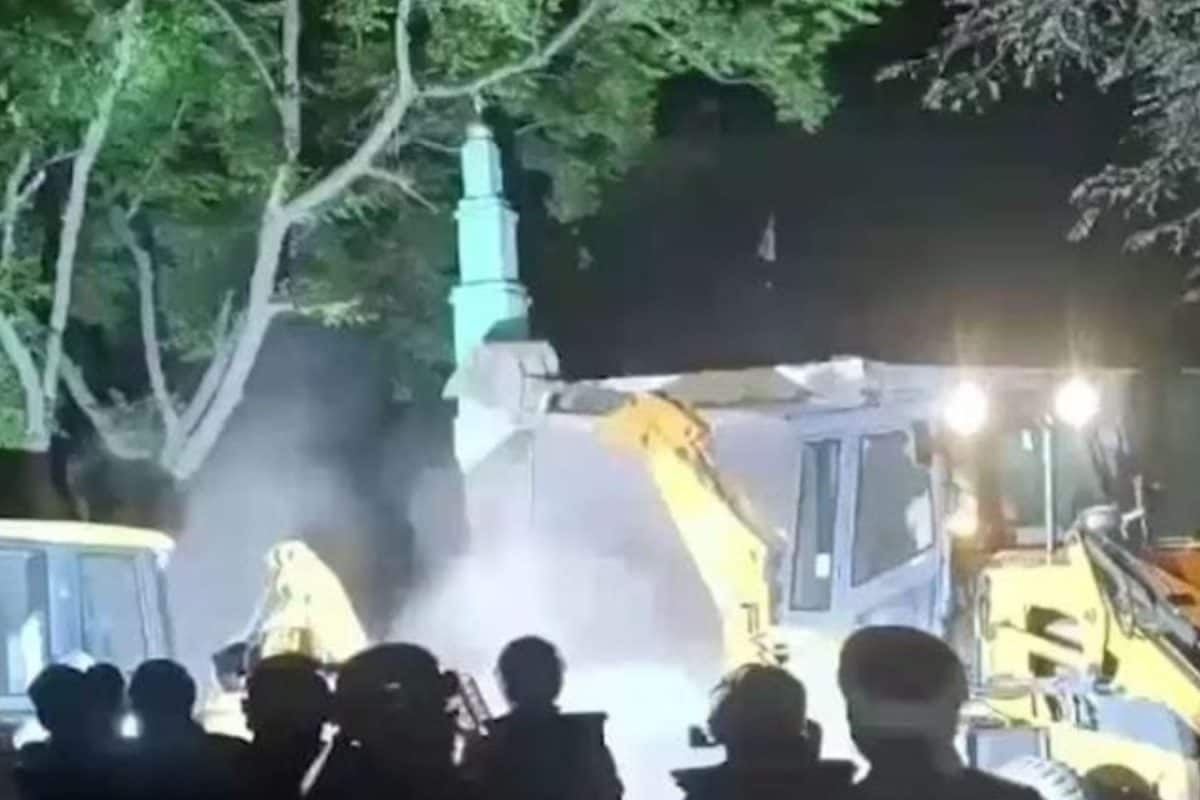
On a chilly morning in Lucknow, India, residents were startled by the sound of heavy machinery rumbling through the quiet streets. As the first light of dawn crept over the horizon, they watched in disbelief as a mosque, standing for years as a symbol of faith and community, was methodically dismantled by bulldozers. The operation, carried out before dawn, was a calculated move by authorities to avoid drawing large crowds and prevent any potential unrest.
The mosque, located in a residential area, had been the center of a legal battle that spanned two years. The conflict arose over land ownership and the validity of the mosque's construction permit. The authorities, backed by legal documents, claimed that the mosque was built without proper permissions, and thus, it was necessary to dismantle it to uphold the law.
The decision to bulldoze the mosque before dawn was not arbitrary. Authorities argued that the timing was chosen to minimize public movement and avoid any potential flare-up. By carrying out the operation during early hours, when most residents were still asleep, the authorities aimed to prevent a large crowd from gathering, which could have escalated into a confrontation.
However, the early morning operation did not go unnoticed. Neighbors and devotees, who were awakened by the noise, quickly gathered to witness the destruction. Some were outraged, accusing the authorities of being insensitive to the religious sentiments of the local community. Others expressed concern over the legality of the operation, questioning whether the mosque's demolition was justified based on the legal documents presented.
The legal trial that led to the mosque's demolition had been a complex and contentious process. The case began when a local resident, who claimed to be the rightful owner of the land, filed a lawsuit against the mosque's management committee. The resident argued that the mosque was built without their consent and without the necessary permits.
In response, the mosque's management committee presented their own legal documents, including the original construction permit and proof of ownership. They maintained that the mosque had been built legally and that the resident's claims were baseless. The case then proceeded to court, where both parties presented their evidence and arguments.
Over the course of two years, the legal battle dragged on, with each side presenting new evidence and counter-arguments. The court, tasked with making a decision, faced a difficult challenge. On one hand, it had to uphold the rights of the landowner, and on the other, it had to consider the religious and community implications of the mosque's existence.
Finally, after careful consideration, the court ruled in favor of the resident, declaring that the mosque was indeed built without proper permissions and on disputed land. The court ordered the mosque's management committee to dismantle the structure and vacate the land. The committee, however, appealed the decision, arguing that the court's ruling was flawed and that they had the necessary permits.
While the appeal process was ongoing, the authorities, backed by the initial court ruling, decided to proceed with the demolition. The decision to carry it out before dawn was made to avoid any potential backlash or unrest. However, the operation served only to heighten tensions in the community, with many residents feeling that their religious rights had been violated.
The demolition of the mosque in Lucknow has sparked a wider debate about the balance between legal procedures and religious sentiments in India. The case highlights the challenges faced by authorities when dealing with disputes involving religious institutions and the need for sensitivity in handling such matters. It also raises questions about the effectiveness of the legal system in resolving land and property disputes, particularly in the context of religious buildings.
In the aftermath of the demolition, the mosque's management committee has continued to appeal the court's ruling, seeking to overturn the decision and rebuild the structure. The community, meanwhile, is grappling with the loss of a place of worship and the emotional impact of the event. The case serves as a stark reminder of the complex interplay between law, religion, and community in India and the delicate balance that must be maintained in such situations.
As the legal battle continues, the residents of Lucknow remain divided, with some supporting the authorities' actions and others vehemently opposing them. The demolition of the mosque before dawn has left a lasting impression on the community, and its repercussions will likely be felt for years to come. The case underscores the need for dialogue and understanding between all parties involved, as well as the importance of finding solutions that respect both legal and religious sensitivities.
In conclusion, the bulldozing of a mosque in Lucknow before dawn is a result of a two-year legal trial that has left the community in turmoil. The authorities' decision to carry out the operation during early hours was intended to minimize public movement and avoid potential unrest. However, the demolition has only served to heighten tensions and spark a wider debate about the balance between legal procedures and religious sentiments in India. The case highlights the complexities of resolving disputes involving religious institutions and the need for sensitivity in handling such matters. As the legal process continues, the residents of Lucknow await a resolution that will address both the legal and religious concerns at stake.