
Who will pound longest?
America has military might — but does it have the appetite for war? Source
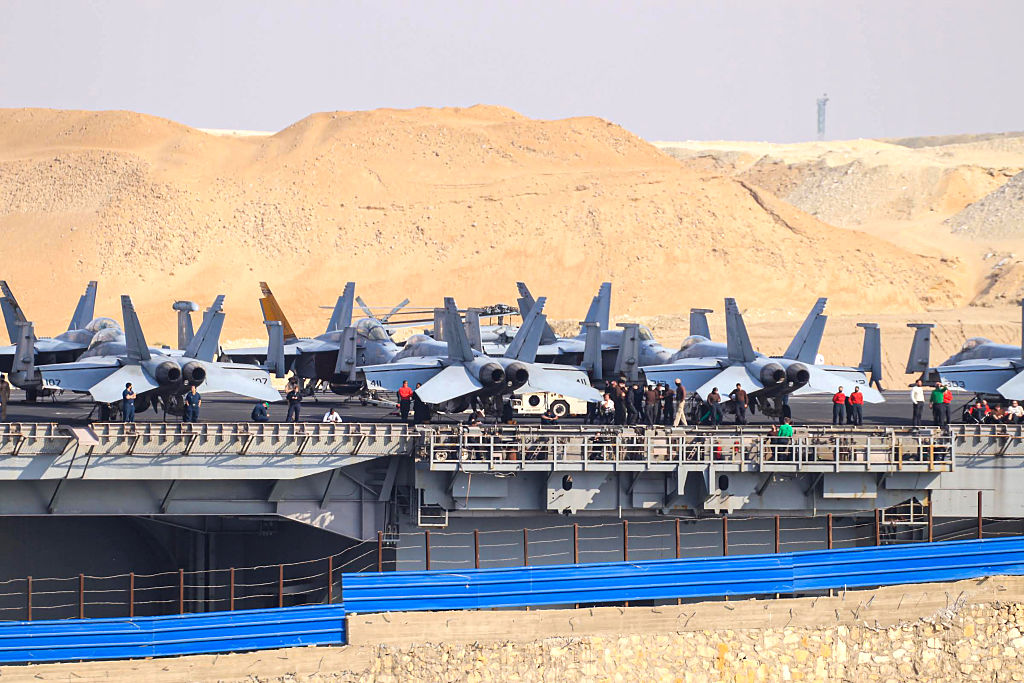
America has military might — but does it have the appetite for war?
In recent years, the United States has maintained a formidable military presence, capable of projecting power across the globe. However, as geopolitical tensions rise and new challenges emerge, questions about the nation's willingness to engage in prolonged conflicts are becoming more pressing. While the U.S. military remains one of the most technologically advanced and well-equipped forces in the world, the appetite for war is a complex and multifaceted issue that hinges on political, social, and economic factors.
The U.S. military's capabilities are unparalleled, with a vast array of advanced weaponry, cutting-edge technology, and a highly trained personnel. The country's ability to deploy forces rapidly and sustain operations over long periods has been demonstrated in numerous conflicts, from the Gulf War in the 1990s to the ongoing efforts in Afghanistan and Iraq. However, the willingness to engage in prolonged wars is not solely determined by military might. It is also shaped by public opinion, political priorities, and the broader strategic interests of the nation.
One of the key factors influencing the appetite for war is the evolving nature of modern conflicts. In the past, large-scale, conventional wars were the norm, requiring massive troop deployments and significant public support. Today, however, many conflicts are asymmetrical and low-intensity, involving insurgencies, cyber warfare, and hybrid warfare tactics. These types of conflicts often require different strategies and can be more challenging to sustain public and political support over extended periods.
Moreover, the cost of prolonged military engagements is a significant concern. The U.S. has faced criticism for the high financial toll of wars, which can strain the economy and divert resources from domestic priorities such as education, healthcare, and infrastructure. The Iraq War, for instance, cost an estimated $2.2 trillion, while the Afghanistan conflict has been projected to cost upwards of $1.5 trillion. These figures have led to debates about the value of military interventions and the long-term benefits they provide.
Another critical aspect of the appetite for war is the political landscape. Elected officials must navigate the delicate balance between asserting national security interests and maintaining public trust. The public's perception of the risks and benefits of military interventions can significantly impact political decisions. In recent years, there has been a growing skepticism among Americans about the effectiveness and necessity of certain military engagements, which has influenced political discourse and policy-making.
Furthermore, the changing global landscape is reshaping the U.S. military's role. The rise of new regional powers, such as China and Russia, as well as the emergence of non-state actors like terrorist organizations, has necessitated a reassessment of strategic priorities. The U.S. is increasingly focusing on countering these threats through a combination of diplomatic, economic, and military means. This shift in focus may influence the nation's appetite for large-scale, prolonged conflicts in favor of more targeted and flexible strategies.
In conclusion, while the United States possesses the military might to engage in prolonged conflicts, the appetite for war is a complex and dynamic issue. It is shaped by a range of factors, including the nature of modern conflicts, the economic costs of military interventions, political considerations, and the evolving global landscape. As the U.S. continues to navigate these challenges, the question of whether it has the appetite for war will remain a critical consideration in shaping its foreign policy and national security strategy.









