Who Is Srinivas Louis, NET‑Qualified Mysuru Professor Who Sent Bomb Threats To Courts, Emails To Pak?
From India's Supreme Court to schools to Pakistan — Louis spammed over 1,000 hoax emails across borders, hitting nearly every institution that had wronged his father's world.
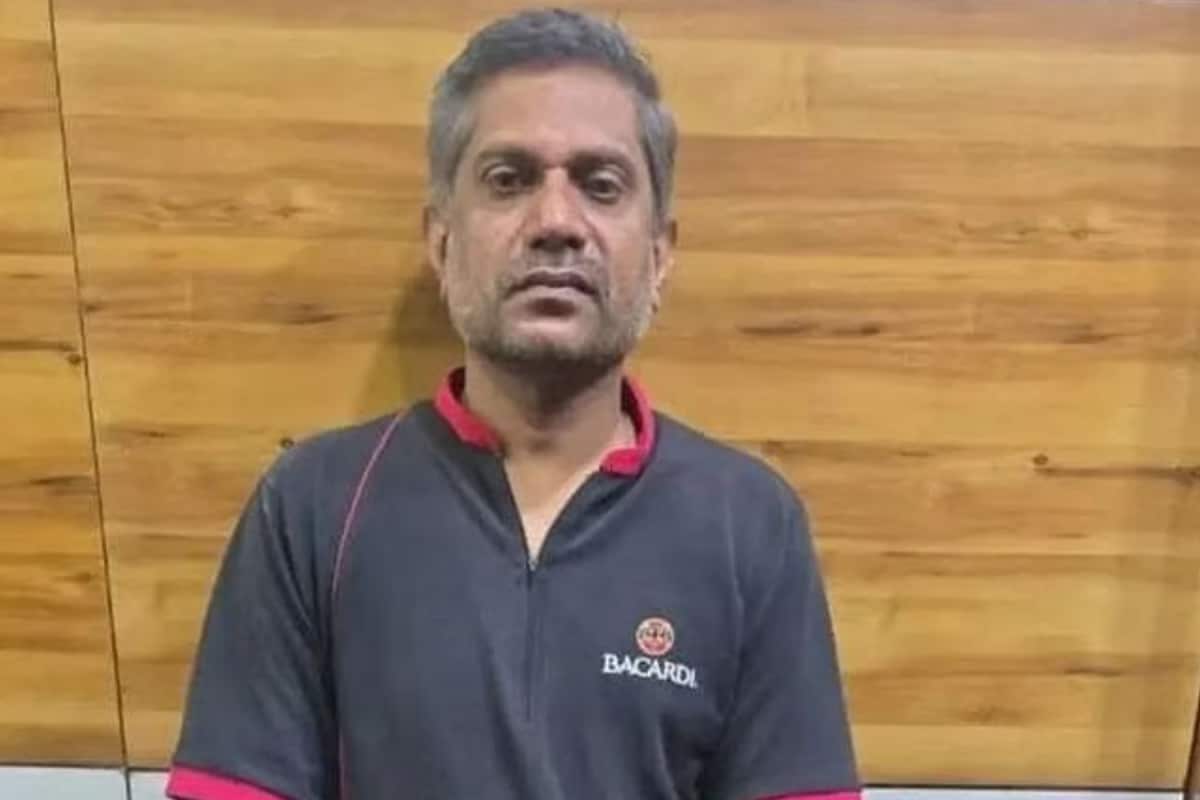
In a recent development that has left authorities and institutions across India and Pakistan scrambling to address a wave of bomb threats and hoax emails, a NET-qualified professor from Mysuru named Srinivas Louis has emerged as the prime suspect. The 48-year-old educator, who teaches at a reputed engineering college in Mysuru, has allegedly sent over 1,000 fraudulent emails to various institutions, including the Supreme Court of India, schools, and even Pakistani government offices. The motive behind this unprecedented spree is believed to be a personal vendetta against those institutions that had allegedly wronged his father, a retired military officer.
Srinivas Louis, a native of Mysuru, is a respected figure in his academic circle. He holds a NET qualification, which is a prestigious eligibility test for lecturers in Indian universities. Over the years, he has built a reputation as a dedicated educator, often engaging in research and publishing papers in his field of expertise. However, his life took a dramatic turn when his father, a retired military officer, passed away under mysterious circumstances. The family claims that the military authorities covered up the truth about his death, leading to a deep-seated resentment towards the institution.
This resentment, it seems, has fueled Louis's decision to retaliate against those he perceives as responsible for his father's demise. His modus operandi involved sending hoax emails to various institutions, including the Supreme Court, schools, and even Pakistani government offices. The emails, which were crafted with meticulous attention to detail, contained bomb threat warnings, causing widespread panic and chaos.
The first signs of Louis's activities began in early 2023 when the Supreme Court of India received a bomb threat email. The email, which claimed to be from an unknown source, threatened to detonate explosives within the premises of the court. Authorities took the threat seriously and conducted a thorough security audit, but fortunately, no explosives were found. However, the incident served as a catalyst for further investigations, leading authorities to suspect that a single individual was behind the hoax.
As the bomb threats continued to pour in, targeting schools and other educational institutions, authorities began to realize the scale of the operation. The emails were not only sent within India but also extended to Pakistan, where several government offices received similar threats. This cross-border aspect of the case added an additional layer of complexity, as both Indian and Pakistani authorities had to collaborate to prevent any potential incidents.
The motive behind Louis's actions, as understood from initial investigations, seems to be deeply rooted in his personal grievances. His father, a retired military officer, had allegedly faced several issues within the military hierarchy, which eventually led to his untimely death. The family believes that the military authorities were involved in a cover-up and that justice has not been served. This perceived injustice has driven Louis to take drastic measures, targeting institutions that he holds responsible.
In addition to the bomb threats, Louis has also been accused of sending threatening emails to various individuals, including judges and military officials. These emails, which were laced with veiled threats and accusations, have left many recipients shaken and concerned about their safety. The extent of Louis's actions has been startling, as he managed to infiltrate multiple systems and send emails from different IP addresses, making it difficult for authorities to trace him.
The investigation into Louis's activities has been ongoing, with authorities conducting raids on his residence and seizing electronic devices for forensic analysis. Preliminary findings from the devices have revealed a pattern of suspicious activities, including the creation and dissemination of the hoax emails. However, the extent of his network and the number of people involved in the operation are still unclear.
The case of Srinivas Louis has raised several concerns about the security of institutions across India and Pakistan. The ease with which he was able to send bomb threat emails to such high-profile targets has highlighted the vulnerabilities in the current security systems. Authorities are now reviewing their security protocols and investing in advanced threat detection mechanisms to prevent such incidents in the future.
Moreover, the case has also sparked a debate about the mental health of individuals who engage in such acts. Psychologists have suggested that Louis's actions could be a result of extreme stress and emotional turmoil, stemming from his father's death and the perceived injustice. It is possible that he may have sought professional help to address his grievances, but instead, resorted to violent means.
In conclusion, the case of Srinivas Louis serves as a stark reminder of the dangers that can arise from unchecked personal grievances. The sheer scale of his operations, which targeted some of the most prominent institutions in India and Pakistan, has left authorities reeling. As the investigation continues, it remains to be seen whether Louis acted alone or if there were others involved in his plan. Regardless, the incident has underscored the need for enhanced security measures and a more empathetic approach to addressing grievances, to prevent such tragic outcomes in the future.