Which European countries' ships are most hit by the Hormuz crisis?
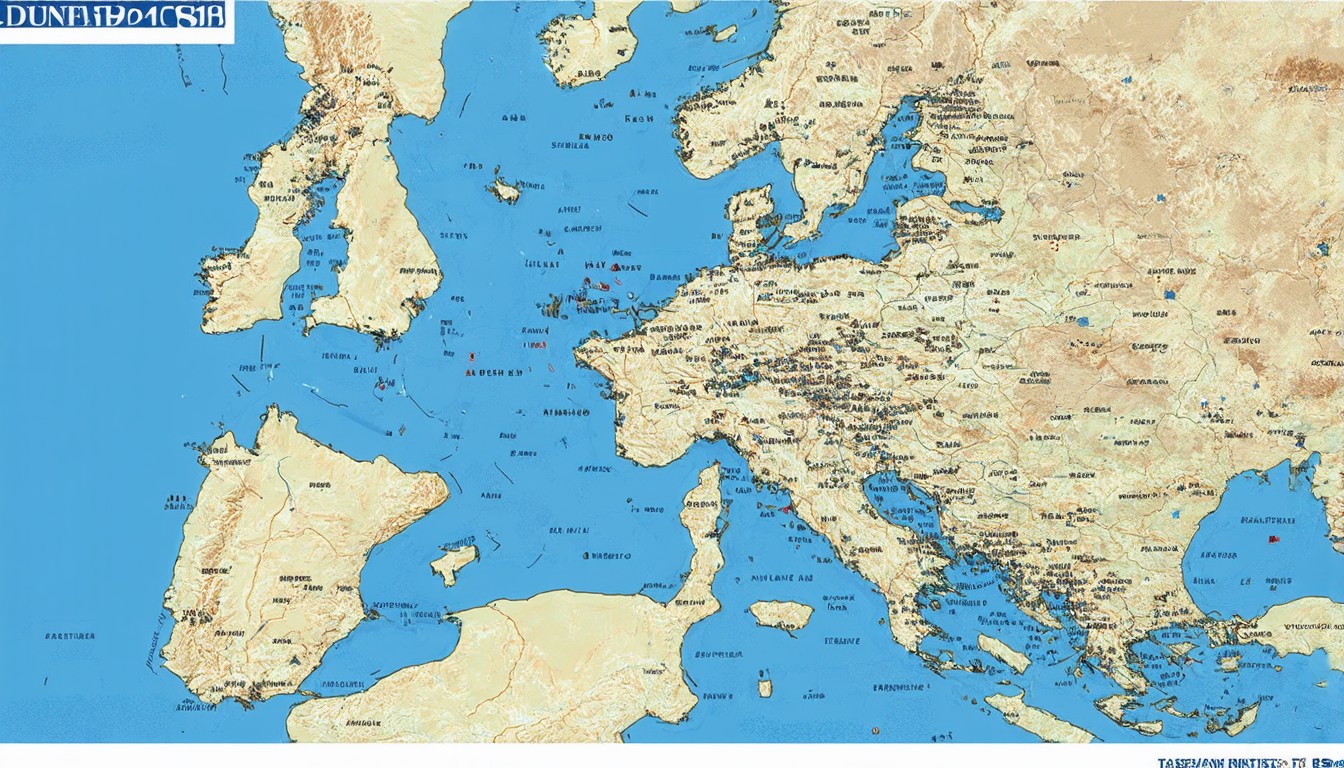
In Europe, Greece has been the most affected country so far, with at least 75 ships stranded in the region.
The Hormuz crisis, which has been brewing in the strategic Strait of Hormuz, has begun to take a toll on European shipping industries, with Greece emerging as the most affected country. As tensions rise in the region, European maritime nations are grappling with the implications of this geopolitical standoff on their shipping sectors.
Greece, a nation with a long-standing maritime tradition and a significant shipping industry, has found itself at the forefront of the challenges posed by the Hormuz crisis. With at least 75 ships stranded in the region, the Greek shipping companies are facing substantial financial losses and operational disruptions. The Strait of Hormuz, a narrow waterway connecting the Persian Gulf to the Gulf of Oman, is a critical chokepoint for global oil and gas shipments, making it a focal point for geopolitical tensions.
The crisis has forced many Greek ships to navigate alternative routes, which are often longer and more expensive. This has resulted in increased fuel costs and delays in the delivery of goods. Greek shipping companies, which account for a significant portion of the global fleet, are particularly vulnerable due to their reliance on the region for transporting oil and other commodities.
The situation in Greece is not unique, as other European countries are also feeling the ripple effects of the Hormuz crisis. For instance, Cyprus, another maritime nation, has also experienced a rise in the number of stranded ships. However, Greece stands out as the most affected due to its larger shipping fleet and its historical prominence in the industry.
The European Union has been closely monitoring the situation, recognizing the potential impact on its member states' economies. Officials have expressed concerns about the broader implications of the crisis, particularly for countries heavily dependent on maritime trade. The European Commission has called for increased cooperation among member states to address the challenges posed by geopolitical tensions in key shipping lanes.
In response to the crisis, Greek shipping companies are exploring alternative routes and seeking insurance coverage to mitigate the risks associated with operating in the Hormuz region. Some have turned to the Indian Ocean and the Suez Canal as viable alternatives, although these routes come with their own set of challenges, such as increased piracy risks and varying regulatory environments.
The Hormuz crisis has also prompted a wider discussion about the vulnerabilities in global supply chains and the need for diversification. European policymakers are urging shipowners to consider diversifying their routes and destinations to reduce reliance on any single region. This could involve exploring new trade corridors and investing in alternative infrastructure, such as rail and road networks, to supplement maritime trade.
As the Hormuz crisis continues to unfold, the European shipping industry is facing unprecedented challenges. Greece, with its significant maritime presence, is bearing the brunt of these difficulties. However, the situation serves as a stark reminder of the interconnectedness of global trade and the need for robust contingency planning in the face of geopolitical uncertainties. The crisis is likely to reshape the European shipping landscape, pushing for greater innovation and adaptability in the sector.