Which European countries have the best salaries after taxes?
Social contributions can weigh as much as a third of the salary paid to an employee.
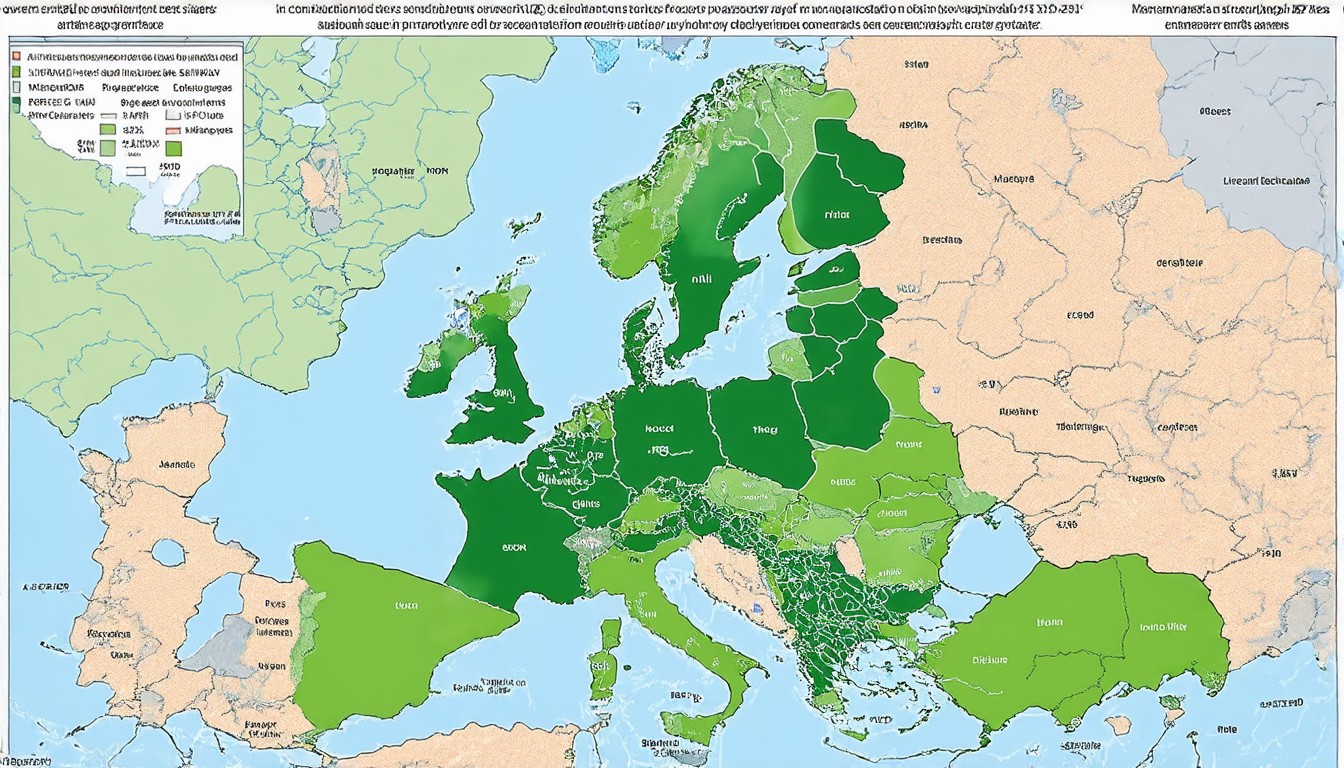
In recent years, the impact of taxes and social contributions on salaries has become a significant concern for many European citizens. As social contributions can weigh as much as a third of the salary paid to an employee, it is crucial to understand how different European countries structure their tax systems and their impact on take-home pay. This article explores which European countries offer the best salaries after taxes, providing insights into the factors that contribute to these differences.
One of the key factors influencing post-tax salaries is the overall tax rate structure. Countries with lower tax rates tend to provide higher take-home pay to employees. Luxembourg, for instance, is known for its favorable tax environment, particularly for high-income earners. The country's corporate tax rate is among the lowest in Europe, and its personal income tax rates are also relatively low. This has attracted multinational corporations and wealthy individuals, resulting in a higher average salary after taxes.
Switzerland is another country that offers competitive post-tax salaries. While it is not a member of the European Union, it is often included in European salary comparisons due to its close economic ties. Switzerland's tax system is progressive, with higher income levels subject to higher tax rates. However, the country's overall tax burden is still relatively low compared to other European nations, leading to higher disposable incomes for its residents.
Ireland has also made strides in attracting businesses and talent by offering competitive salaries after taxes. The country's corporate tax rate is one of the lowest in the world, which has helped to establish a strong business environment. Additionally, Ireland's personal income tax rates are relatively low, contributing to higher take-home pay for employees. This has led to an influx of multinational corporations and skilled workers, further boosting the country's economy.
The United Kingdom also provides relatively high salaries after taxes compared to other European countries. Although the UK's tax rates are higher than those in Luxembourg or Switzerland, the country's personal income tax system includes several deductions and allowances that can significantly reduce the tax burden. This, combined with a relatively high minimum wage and average wage growth, results in a decent post-tax salary for many workers.
In contrast, countries with higher tax rates and more extensive social welfare systems tend to have lower post-tax salaries. France, for example, has a progressive tax system with higher rates for higher income levels. The country's social contributions, which include pensions, healthcare, and unemployment benefits, can account for a significant portion of an employee's salary. This results in a lower take-home pay compared to countries with lower tax rates.
Germany, another country with a robust social welfare system, also experiences a higher tax burden. The country's social contributions are substantial, with employees and employers contributing to various social programs. This results in a higher overall tax rate, leading to lower post-tax salaries for workers.
It is essential to note that while post-tax salaries are an important factor, they should not be the sole criterion for evaluating the quality of life in a country. Other factors, such as healthcare accessibility, job security, and living costs, also play a crucial role. For instance, countries like France and Germany, despite having lower post-tax salaries, offer strong social safety nets and high-quality healthcare systems, which can enhance the overall well-being of their citizens.
In conclusion, the best salaries after taxes in Europe are found in countries with lower tax rates and less extensive social contributions, such as Luxembourg, Switzerland, and Ireland. However, it is crucial to consider the broader context, including the quality of social welfare systems and overall living standards, when evaluating which country offers the best post-tax salaries. Ultimately, the ideal balance between tax rates and social benefits will vary depending on individual priorities and circumstances.