
Where are Iran’s power plants that Trump has threatened to destroy?
US President Trump threatens to destroy power plants, bridges by 8pm Tuesday if Iran doesn't open the Strait of Hormuz.
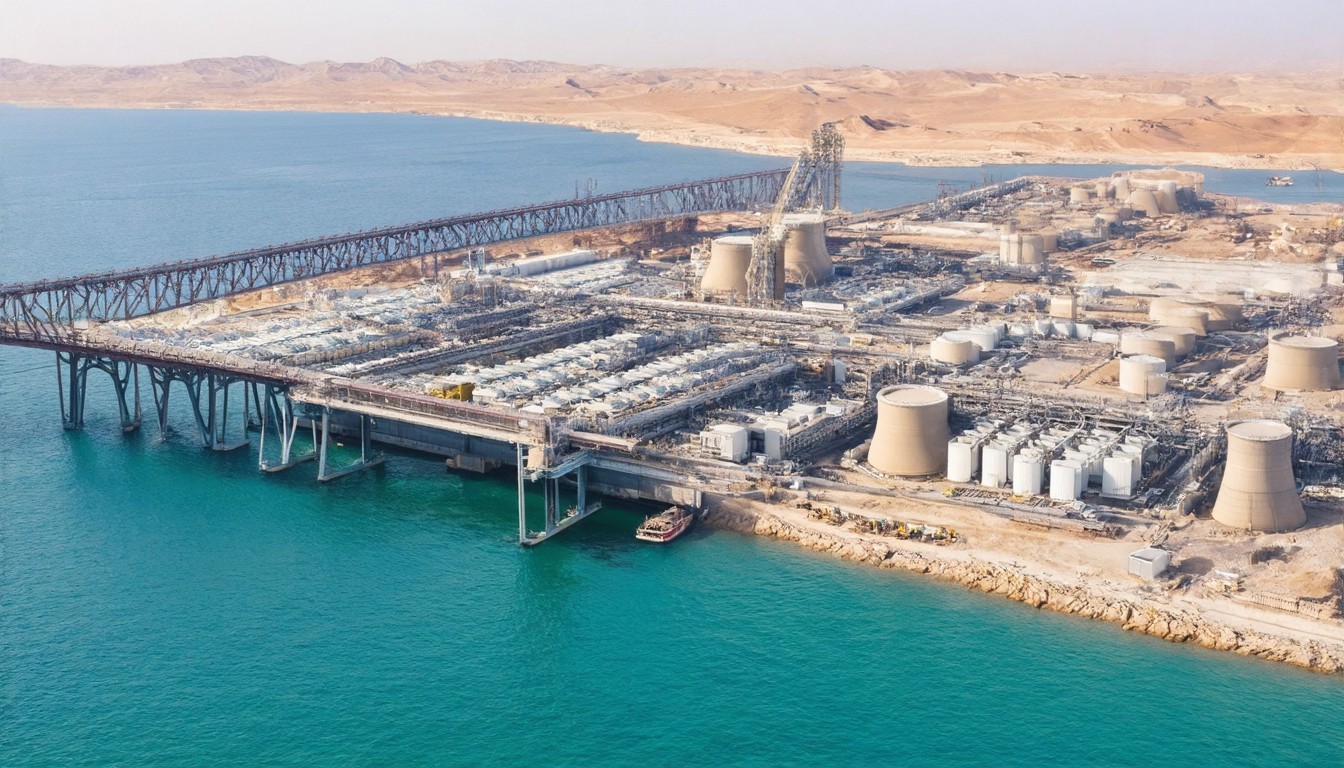
The world watched with tension as US President Donald Trump threatened to destroy Iran's power plants and bridges by 8pm on Tuesday, demanding that Iran open the Strait of Hormuz. The move came amid heightened tensions between the two nations, with Trump's administration accusing Iran of aggression in the region. The question that quickly arose was: where exactly are these power plants located, and what would the consequences be of such an attack?
Iran's power plants are strategically spread across the country to ensure energy security and reliability. The majority of these facilities are located inland to protect them from potential threats, particularly from the west. Key power plants include the Golestan, Abadan, and Mahmudabad plants, which are among the largest in the country. These plants supply electricity to both residential and industrial sectors, playing a crucial role in Iran's economy and daily life.
The Abadan Power Plant, located in the southwestern province of Khuzestan, is one of the oldest and most significant power plants in Iran. It has a history dating back to the 1950s and has undergone several modernization projects over the years. The plant is situated near the Shatt al-Arab waterway, which flows into the Persian Gulf, making it a potential target if tensions escalate.
The Golestan Power Plant, located in the northeastern province of Golestan, is another major facility. It was built in the 1970s and has a capacity of over 2,000 megawatts. The plant is situated in a region rich in natural gas reserves, which fuel its operations. Given its location, any attack on the plant could disrupt Iran's energy supply and have ripple effects on the regional economy.
The Mahmudabad Power Plant, situated in the Caspian Sea province of Mazandaran, is another critical facility. It was constructed in the 1990s and has a capacity of around 1,500 megawatts. The plant is located in a region that is prone to earthquakes, and its destruction could lead to widespread power outages and infrastructure damage.
In addition to these major plants, Iran also has numerous smaller power plants and hydroelectric stations across the country. These facilities are often located in remote areas to minimize their visibility and vulnerability to attacks. The most significant hydroelectric plant is the Karaj Dam, located near the capital Tehran. It supplies water not only for electricity generation but also for agricultural and domestic needs.
The threat to Iran's power plants and bridges raises concerns about the potential impact on the country's energy infrastructure and its ability to withstand such an attack. Iran has a complex network of bridges, many of which are vital for transportation and communication. Destroying these bridges could disrupt the movement of goods and people, further complicating the already strained relationship between the two nations.
Moreover, the timing of the threat coincides with the ongoing tensions over the Strait of Hormuz, a critical chokepoint for global oil shipments. The strait is used by around 30% of the world's oil and 20% of its natural gas, making it a strategic asset for both Iran and the international community. Trump's demand for Iran to open the strait is seen as an attempt to pressure the country into changing its policies, but it also risks further escalating the situation.
The international community is closely monitoring the situation, with experts warning that any attack on Iran's power plants or bridges could lead to unintended consequences. The destruction of critical infrastructure could result in power outages, economic disruption, and even humanitarian crises. Additionally, it could embolden Iran to retaliate, potentially leading to a full-blown conflict in the region.
In conclusion, the threat to Iran's power plants and bridges by US President Trump underscores the volatile nature of the ongoing tensions between the two nations. The locations of these facilities, spread across the country, highlight the potential for widespread damage if tensions escalate. As the world watches with bated breath, the stakes could not be higher, with the potential for a regional conflict that could have far-reaching implications for global energy markets and geopolitics.









