
When Fools Go to War
One need only look past the moral and strategic differences between Iran and Ukraine to see that both are facing similar situations. Both have been attacked by larger powers whose institutional decline has produced regimes that failed to anticipate what they were setting into motion.
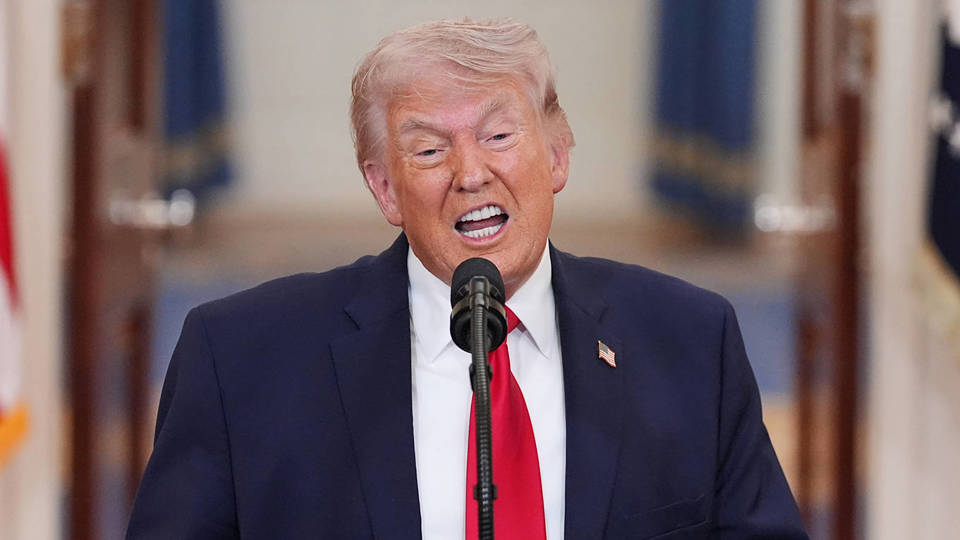
In recent years, the world has witnessed a series of conflicts that have shaken the foundations of international relations. Among these, the wars in Ukraine and Iran stand out as complex and multifaceted struggles that reveal deeper truths about the nature of power and the consequences of misguided leadership. On the surface, these conflicts appear vastly different, with Ukraine facing an invasion from Russia and Iran embroiled in a tense standoff with the United States and Israel. However, a closer examination reveals that both nations are grappling with similar challenges rooted in the decline of powerful institutions and the inability of their respective regimes to foresee the repercussions of their actions.
The Ukraine-Russia conflict began in 2014 when Russia annexed the Crimean Peninsula, sparking a full-scale invasion in 2022. This aggression has been driven by Russia's perceived need to assert its influence in the former Soviet sphere and counter the westward expansion of NATO. Meanwhile, Iran's situation is marked by a complex web of regional tensions, economic sanctions, and nuclear ambitions that have drawn the ire of Western powers. Both conflicts, though distinct in their immediate causes, share a common thread: the decline of powerful institutions that have struggled to adapt to the rapidly changing global landscape.
In the case of Ukraine, the Soviet Union's collapse in 1991 left a power vacuum that was not adequately filled by the new Ukrainian state. This instability allowed Russia to exploit Ukraine's vulnerabilities, particularly its large Russian-speaking population and strategic geographic location. Similarly, Iran's struggle with the United States and Israel can be traced back to the 1979 Islamic Revolution, which overthrew the Shah and established a theocratic regime. The resulting power vacuum and ideological clash with Western values have fueled decades of conflict.
Both Ukraine and Iran have been attacked by larger powers whose institutional decline has produced regimes that failed to anticipate the consequences of their actions. In Ukraine's case, the Russian regime under Vladimir Putin's leadership has been driven by a desire to revive the Soviet Union's influence, overlooking the potential backlash from NATO and the international community. In Iran, the theocratic regime has been preoccupied with maintaining its power base at home and asserting its regional dominance, often at the expense of diplomatic engagement with the West.
The decline of these institutions has not only led to direct military conflicts but has also resulted in broader geopolitical instability. The war in Ukraine has drawn in NATO countries, leading to a significant realignment of alliances and a renewed focus on defense spending. Meanwhile, Iran's nuclear program and regional interventions have heightened tensions in the Middle East, with the risk of a full-scale conflict between Iran and Israel looming large.
Moreover, both conflicts highlight the dangers of leaders who are unable to adapt to the changing global order. In Ukraine, the Russian regime's inability to predict the backlash from its invasion has led to a protracted and costly war that has strained its economy and international standing. In Iran, the theocratic leadership's rigidity in the face of sanctions and diplomatic isolation has deepened the country's economic crisis and fueled internal dissent.
The parallels between Ukraine and Iran extend beyond their immediate circumstances. Both nations are facing the consequences of larger powers' actions, which have been driven by a combination of historical grievances, ideological differences, and institutional decline. The challenges they face are not only military but also political, economic, and social.
In conclusion, the wars in Ukraine and Iran serve as cautionary tales about the dangers of institutional decline and the perils of leaders who are unable to anticipate the repercussions of their actions. Both conflicts underscore the need for adaptability, foresight, and a willingness to engage in dialogue and diplomacy. As these nations grapple with their respective challenges, the international community must remain vigilant and proactive in seeking peaceful resolutions that prioritize stability and security for all parties involved.









