
What’s worse for innovation: MAGA or Mao?
Donald Trump and Xi Jinping share a dangerous nostalgia
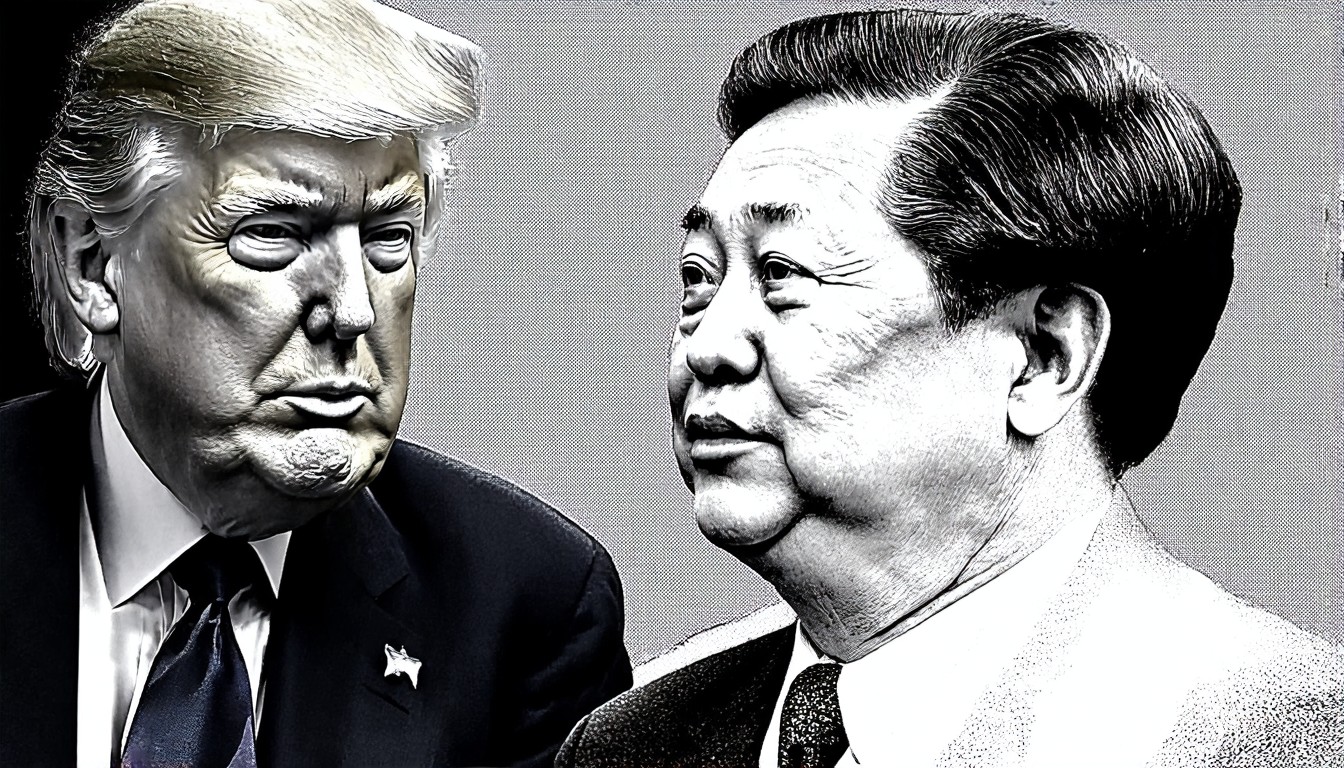
In recent years, the world has witnessed a rise in leaders who seem to cling to a nostalgic vision of the past, rather than embracing the challenges and opportunities of the modern era. Two prominent figures embodying this trend are former U.S. President Donald Trump and Chinese President Xi Jinping. Both leaders have been criticized for their reluctance to innovate and their preference for traditional, often outdated, approaches to governance. This article explores the implications of their policies and the potential impact on global innovation, asking whether the "Make America Great Again" (MAGA) ideology or the Maoist-inspired governance of Xi Jinping poses a greater threat to progress.
Donald Trump's MAGA campaign was built on a promise to restore America's past glory, often by rejecting new ideas and technologies. Trump's administration was marked by a skepticism towards climate change, a resistance to renewable energy, and a preference for protectionist trade policies. These stances contrast sharply with the need for innovation in addressing global challenges such as environmental degradation and economic disruption. By prioritizing short-term gains and nationalism over long-term sustainable development, Trump's approach risked stifling America's potential to lead in technological advancements.
Similarly, Xi Jinping's leadership in China has been characterized by a return to Maoist-inspired policies, with a focus on centralized control and state-led economic planning. While China has undeniably made significant strides in technology and infrastructure, its approach to innovation has been criticized for being overly regimented and less flexible than that of its competitors. The Chinese government's tight control over the internet and its suppression of dissent have raised concerns about the free flow of ideas and the stifling of creative thinking. This environment may hinder China's ability to sustain its technological edge in the long run.
Both Trump and Xi have been accused of fostering an environment that is hostile to innovation. Trump's administration faced criticism for its handling of the COVID-19 pandemic, which exposed the dangers of ignoring scientific expertise and prioritizing political rhetoric. In contrast, Xi's government has been praised for its rapid response to the pandemic through strict control measures, but this approach has also been seen as a continuation of authoritarian practices that prioritize state control over individual freedoms.
The comparison between MAGA and Maoist governance raises questions about the role of nostalgia in shaping political strategies. For Trump, nostalgia was a tool to rally support by promising a return to a perceived golden age of American prosperity. For Xi, it serves as a justification for centralizing power and maintaining control over society and the economy. Both leaders' reliance on nostalgia seems to overlook the necessity of adapting to the complexities of the modern world, where innovation is crucial for addressing global challenges.
The impact of these leaders' policies on innovation extends beyond their respective countries. In the United States, Trump's protectionist trade policies and skepticism towards international cooperation have raised concerns about the nation's ability to lead in global efforts to tackle issues such as climate change and pandemics. Meanwhile, China's authoritarian approach to innovation has sparked debates about the balance between state control and individual creativity. Critics argue that such an environment may limit the potential for breakthroughs and stifle the very innovation that is needed to address the world's most pressing problems.
In conclusion, the question of whether MAGA or Maoist governance poses a greater threat to innovation is complex and multifaceted. Both Trump and Xi have been criticized for their reluctance to embrace new ideas and their preference for traditional, often outdated, approaches to governance. While their policies have had different impacts in their respective countries, the global implications of their stances on innovation cannot be ignored. As the world faces unprecedented challenges, the need for adaptability, creativity, and collaboration has never been greater. The trajectory of global progress will depend, in part, on whether future leaders can learn from the mistakes of the past and prioritize innovation over nostalgia.









