What’s Next for the Iran War?
A prime-time Trump speech offered few clues.
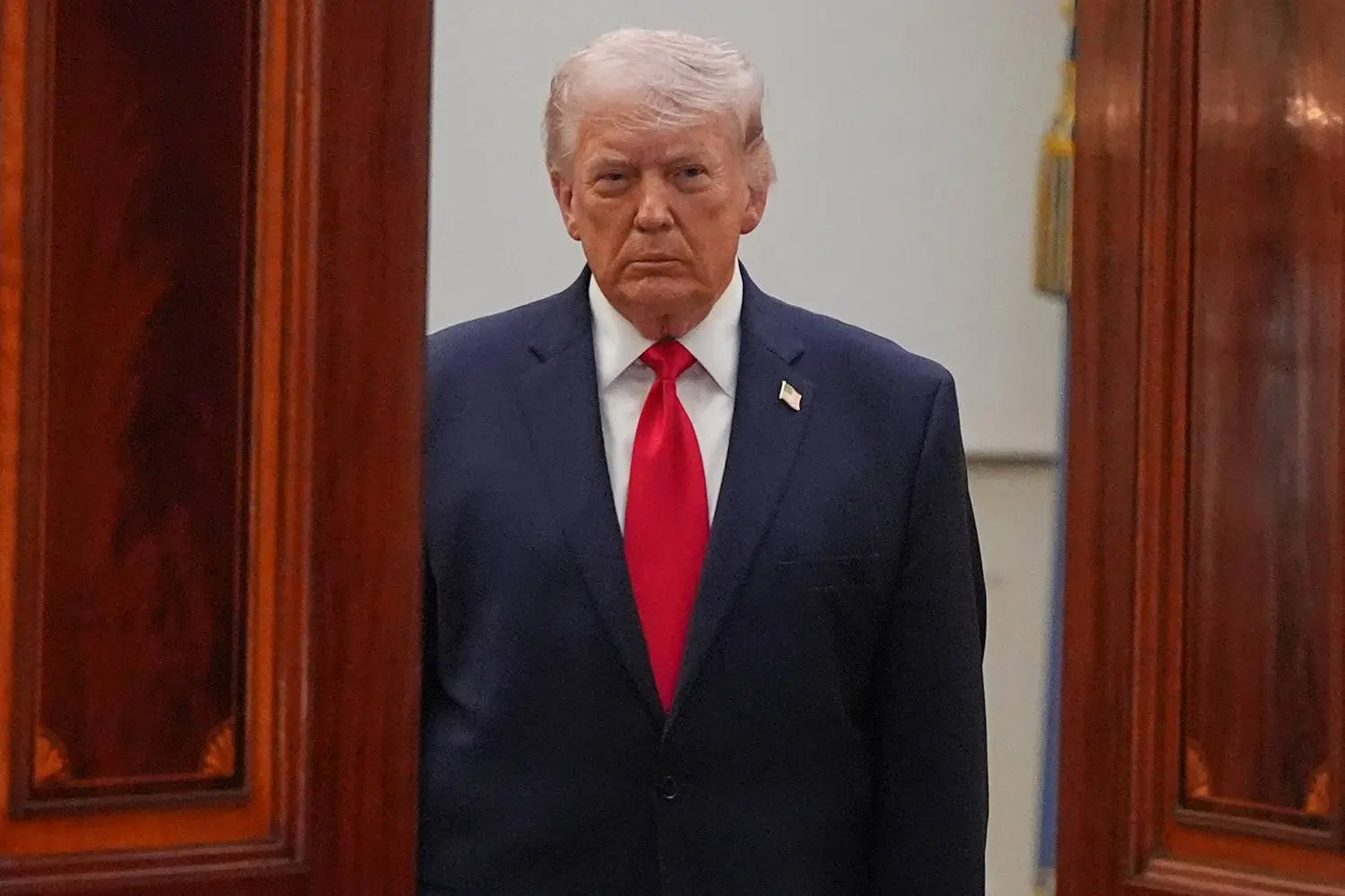
As tensions between Iran and the United States continue to escalate, the recent prime-time speech by President Donald Trump provided little clarity on the next steps in the ongoing conflict. The speech, delivered in a tense political climate, focused heavily on the need for a strong national defense and the importance of standing firm against adversaries, but it left many key questions unanswered.
In the speech, Trump emphasized the importance of maintaining a robust military presence and the necessity of deterring aggression. He highlighted recent military exercises and deployments, suggesting that the administration is prepared to respond decisively to any threats. However, the lack of specifics about how these actions will be executed or what the immediate next steps will be has left observers and analysts speculating about the administration's strategy.
One of the most pressing questions concerns the potential for military action. While Trump has previously warned of the possibility of "beautiful war," the speech did not explicitly outline any plans for military engagement. Instead, it focused on the need for vigilance and the importance of a strong deterrent. This has led some to believe that the administration may be considering a range of options, from diplomatic efforts to more aggressive military posturing.
Another area of uncertainty is the role of alliances. The speech did not address how the United States plans to engage with its allies in the region, particularly Saudi Arabia and the United Arab Emirates, which have been key partners in the ongoing tensions with Iran. The absence of clear communication on this front has raised concerns about the stability of these relationships and the potential for further regional instability.
The speech also touched on economic sanctions, with Trump reiterating the administration's commitment to imposing severe penalties on Iran. However, it did not provide details on any new measures or how these sanctions will be enforced. This has left many wondering whether the administration has a clear strategy for leveraging economic pressure to achieve its goals.
In addition to these uncertainties, the speech failed to address the broader geopolitical implications of the conflict. The ongoing tensions between Iran and the United States have significant ramifications for the Middle East and global security, yet the speech did not offer any insights into how the administration plans to navigate these complexities.
As the world watches the unfolding situation, the lack of clarity from the Trump administration has only heightened speculation about the next steps in the Iran War. While the speech underscored the administration's resolve to confront the challenges posed by Iran, it did little to allay the concerns of those who worry about the potential for escalation and the broader implications for global stability.
In the coming days and weeks, it will be crucial for the administration to provide more concrete information about its strategy. The international community is eager to understand how the United States plans to address the threats posed by Iran, and whether it is prepared to engage in diplomatic negotiations or military action. Until then, the future of the Iran War remains uncertain, with many questions hanging in the balance.
As the situation continues to evolve, it is clear that the next few weeks will be pivotal. The administration's actions will have a significant impact on the region and the world, and it is essential that clear and consistent communication is maintained. The international community is watching closely, and the stakes could not be higher. The challenge now is for the Trump administration to provide the clarity and direction needed to navigate this complex and volatile situation.