What's Behind Babbar Khalsa's Chandigarh Blast? Urban Push, ISI Support & Youth Targeting | Exclusive
Officials say unemployed youth active on social media are being targeted for recruitment, with propaganda aimed at reviving separatist sentiment
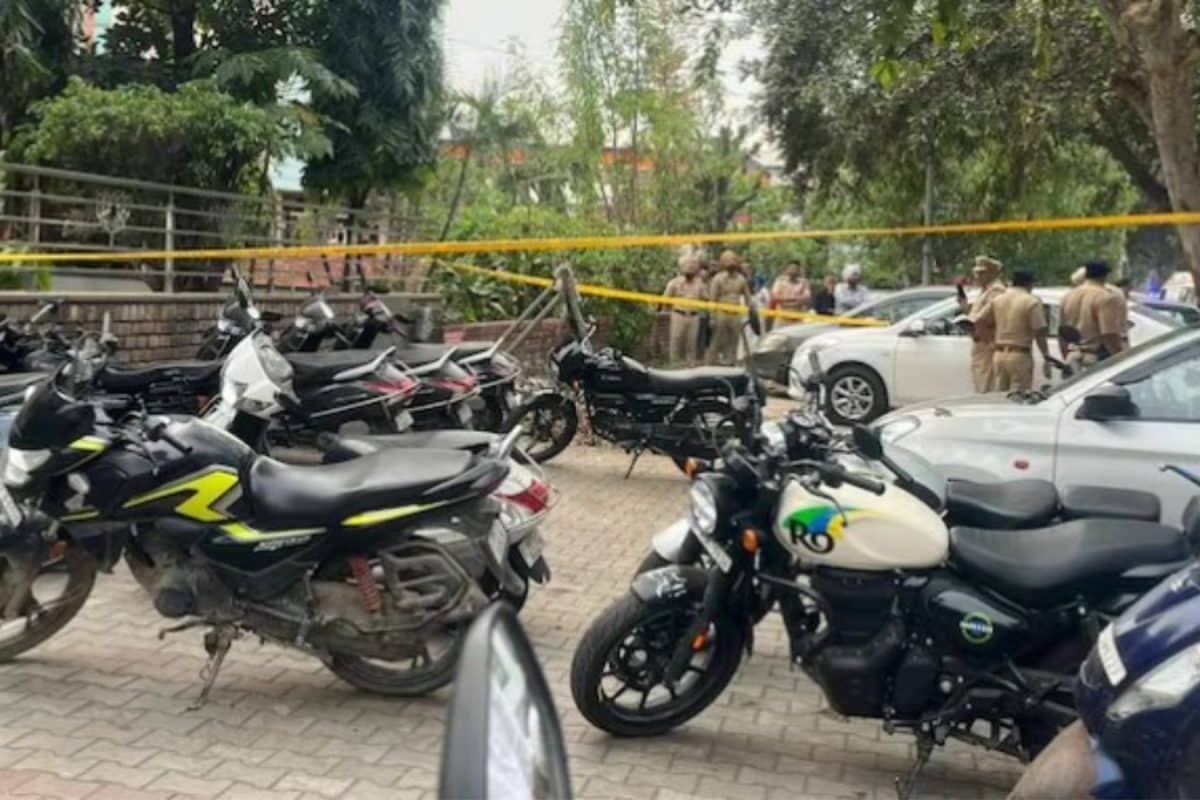
In the aftermath of the recent Chandigarh blast, questions abound about the motives and perpetrators behind the attack. The city, known for its blend of Punjabi and Indian nationalist architectural identity, has long been a focal point for tensions between the Indian government and various Punjabi separatist groups. Among these groups, Babbar Khalsa International (BKI) has emerged as a significant player, with allegations of its involvement in various acts of violence, including the Chandigarh blast.
The blast, which occurred in a bustling market area, left several people injured and caused widespread panic. Authorities have been quick to link the incident to Babbar Khalsa, citing their history of targeting public spaces and civilians. However, the group has not claimed responsibility for the attack, and the Indian government has accused Pakistan's Inter-Services Intelligence (ISI) of supporting such activities.
The narrative of Babbar Khalsa's resurgence is deeply intertwined with the socio-economic conditions of Punjab, particularly among its youth. Officials have pointed to the recruitment of unemployed youth, who are increasingly active on social media, as a key strategy employed by the group. These young individuals, often disillusioned with the lack of opportunities and frustrated by the slow pace of socio-economic development in the region, are seen as fertile ground for recruitment.
Social media platforms, with their vast reach and ease of access, have become a powerful tool for Babbar Khalsa to propagate its ideology. The group leverages these platforms to spread messages that revive separatist sentiments and incite violence. By targeting the youth, Babbar Khalsa aims to create a wave of unrest that could potentially destabilize the region and push for a separate Punjabi state.
The Indian government has been vocal about its concerns regarding the role of the ISI in supporting such groups. Officials have accused Pakistan of using Babbar Khalsa as a proxy to destabilize India, particularly in the aftermath of the revocation of Jammu and Kashmir's special status. This allegation adds a layer of complexity to the situation, as it suggests that the Chandigarh blast may not be an isolated act of terrorism but part of a larger geopolitical strategy.
The Indian government has responded to these threats by intensifying its security measures and launching operations against Babbar Khalsa. However, the challenge lies in effectively countering the group's propaganda and addressing the root causes of discontent among the youth. Socio-economic development and job creation initiatives have been proposed as potential solutions to mitigate the appeal of separatist ideologies.
Moreover, the role of social media in amplifying Babbar Khalsa's message cannot be ignored. Authorities are pushing for stricter regulations and greater monitoring of online content to prevent the spread of extremist ideologies. This includes cracking down on social media accounts that promote separatist sentiments and recruiting youth for violent activities.
The Chandigarh blast serves as a stark reminder of the ongoing tensions in Punjab and the potential for violence to escalate. As Babbar Khalsa continues its campaign, the Indian government faces the daunting task of maintaining security while addressing the socio-economic issues that fuel the group's appeal. The question of whether the ISI's involvement is a significant factor in these developments remains unanswered, but it is clear that the geopolitical landscape of the region is under close scrutiny.
In conclusion, the Chandigarh blast is not just an isolated incident but a manifestation of deeper issues plaguing Punjab. The targeting of unemployed youth on social media by Babbar Khalsa, coupled with allegations of ISI support, highlights the complex interplay of socio-economic factors and geopolitical strategies. The Indian government's response must be multifaceted, addressing both the immediate security threats and the long-term socio-economic challenges that continue to fuel separatist movements. Only then can the region hope to move towards stability and peace.