
What would Europe do if Trump won?
Even as NATO meets, Europeans are exploring a plan B
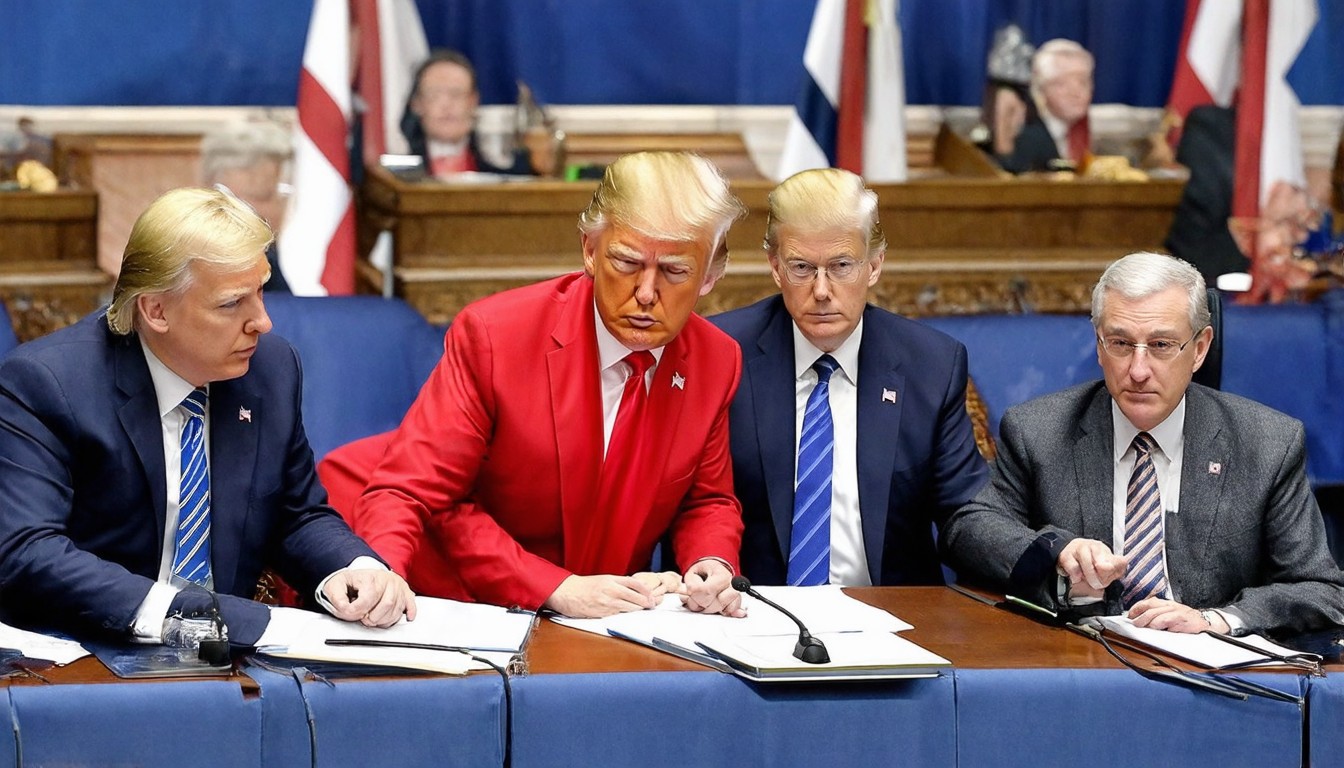
As the NATO summit unfolds, a growing concern among European leaders is the potential impact of a Donald Trump victory in the upcoming U.S. elections. With Trump's history of skepticism toward NATO and his administration's frequent clashes with European allies, many in Europe are preparing for a scenario where the U.S. no longer serves as a reliable partner in global security. This has spurred discussions about a "plan B," a strategy that would allow Europe to assert greater autonomy and enhance its own defense capabilities.
The roots of this plan B can be traced back to Trump's 2016 campaign, when he famously questioned the value of NATO and suggested that some European nations were not contributing enough to collective defense. Since then, tensions between the U.S. and its European allies have persisted, with Trump's administration often criticizing European defense spending and NATO's structure. This has led many in Europe to question the reliability of the transatlantic alliance and to consider alternatives.
One key aspect of plan B is the acceleration of European defense initiatives. The European Union has already launched the Permanent Structured Cooperation (PESCO) program, which aims to strengthen military cooperation among member states. Under this initiative, countries are working together on joint defense projects, such as drones and cybersecurity capabilities, to reduce reliance on the U.S. and other external partners. Additionally, Germany and France have proposed a more ambitious European Defense Fund, which would provide financial support for shared military projects.
Another critical component of plan B is the enhancement of European strategic autonomy. This involves not only building up military capabilities but also redefining diplomatic relationships. European leaders are exploring the possibility of closer ties with countries outside the traditional Western alliance, such as China and Russia, to counterbalance U.S. influence. However, this approach is fraught with challenges, as many Europeans remain wary of both China's growing global ambitions and Russia's aggressive foreign policy.
Moreover, plan B also entails a reevaluation of NATO itself. Some European policymakers argue that the alliance needs to be reformed to better reflect the changing global landscape. This could involve increasing the role of European commanders in NATO operations and establishing a more equitable burden-sharing framework. Others suggest that Europe should consider creating a separate defense alliance, though such a move would likely face significant resistance from the U.S. and could strain transatlantic relations further.
The push for plan B is not without its critics. Some argue that it risks fragmenting the West and emboldening adversaries like Russia. Others contend that it could lead to a costly arms race in Europe, diverting resources from other critical areas such as climate change and social welfare. Nonetheless, the prospect of a Trump victory has galvanized European leaders to take a more assertive stance in their defense policies.
In conclusion, the potential return of Donald Trump to the White House has prompted European policymakers to seriously consider a plan B for their defense strategy. This involves strengthening military cooperation, enhancing strategic autonomy, and reevaluating NATO's role. While the challenges are significant, the urgency created by the U.S. elections has driven Europe to take a more independent approach to global security. The outcome of these efforts will shape the continent's relationship with the U.S. and its place in the world for years to come.









