
What will it cost to make Vladimir Putin stop?
Europe must offer Ukraine a big enough financial package to deter the Kremlin
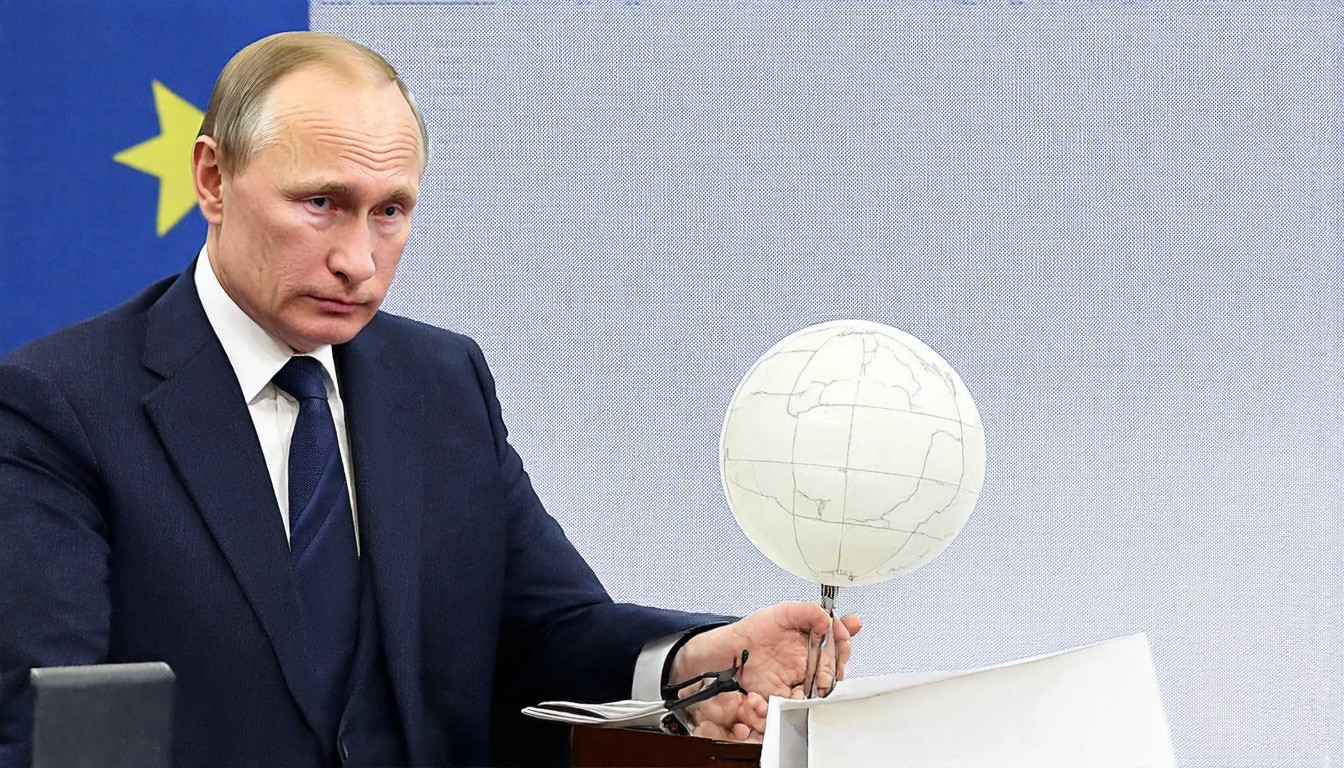
As the conflict in Ukraine drags on, the question of how much it will cost to make Vladimir Putin stop has become a focal point of international debate. With the Kremlin continuing its military aggression, European leaders are grappling with the need to provide sufficient financial support to Ukraine to deter further Russian actions. The stakes are high, as the outcome of this conflict has implications not just for Ukraine but for the entire European security architecture.
The European Union has been under pressure to increase its financial aid to Ukraine, both to support its war efforts and to prevent a potential collapse of the Ukrainian economy. Critics argue that without a substantial financial package, the Kremlin may perceive the West's resolve as weak, emboldening further aggression. The EU has already pledged over €17 billion in financial support to Ukraine since the invasion began in February 2022, but many believe this is insufficient to deter Putin.
The rationale behind providing a larger financial package is rooted in the idea that economic sanctions and financial aid can influence Putin's calculations. By significantly bolstering Ukraine's military capabilities and economic stability, the West aims to make it more costly for Russia to continue the war. This could involve funding for military equipment, infrastructure repairs, and humanitarian aid, all of which would help Ukraine sustain its resistance.
However, the challenge lies in determining the right balance. On one hand, insufficient aid could lead to a Ukrainian defeat, which would embolden Russia and destabilize the region. On the other hand, overcommitting financially could strain European economies, already struggling with inflation and energy crises. European leaders must weigh the long-term security implications against the immediate economic realities of their own countries.
Moreover, the effectiveness of financial deterrence depends on how it is perceived by the Kremlin. Putin's decision to invade Ukraine was driven by a mix of factors, including historical grievances, territorial ambitions, and a desire to assert Russian influence in the former Soviet sphere. For financial deterrence to work, it must convince the Kremlin that the costs of further aggression outweigh the potential benefits. This requires a package that is both substantial and credible, signaling a united front among European nations.
In addition to financial aid, the EU is also exploring other avenues to deter Russia. This includes tightening sanctions, accelerating military aid to Ukraine, and strengthening NATO's eastern flank. While these measures are important, they are often seen as complementary to a robust financial package. The combination of economic pressure, military support, and diplomatic efforts could create a more comprehensive strategy to discourage further Russian aggression.
The debate over the cost of deterring Putin also touches on the broader question of European unity. The invasion of Ukraine has highlighted existing divisions within the EU, with some member states prioritizing energy security over military aid and others advocating for a harder line against Russia. For a large financial package to be effective, it must be accompanied by a unified approach among European nations. This requires overcoming internal disagreements and presenting a cohesive front to the Kremlin.
In conclusion, the question of how much it will cost to make Vladimir Putin stop is a complex one that involves both financial and strategic considerations. While the EU has already provided significant aid to Ukraine, many argue that a larger package is necessary to deter further Russian aggression. The challenge for European leaders lies in balancing the need for sufficient financial support with the economic realities of their own countries, while also ensuring a unified approach to deterrence. The outcome of this conflict will have lasting implications for European security, and the decisions made now could shape the continent's future for years to come.









