
What the Landmark Meta-YouTube Ruling Means for the Next Era of Founder Responsibility
A jury verdict just cracked open the "platform vs. publisher" mantra, and founders should start treating recommendations as a measurable risk surface.
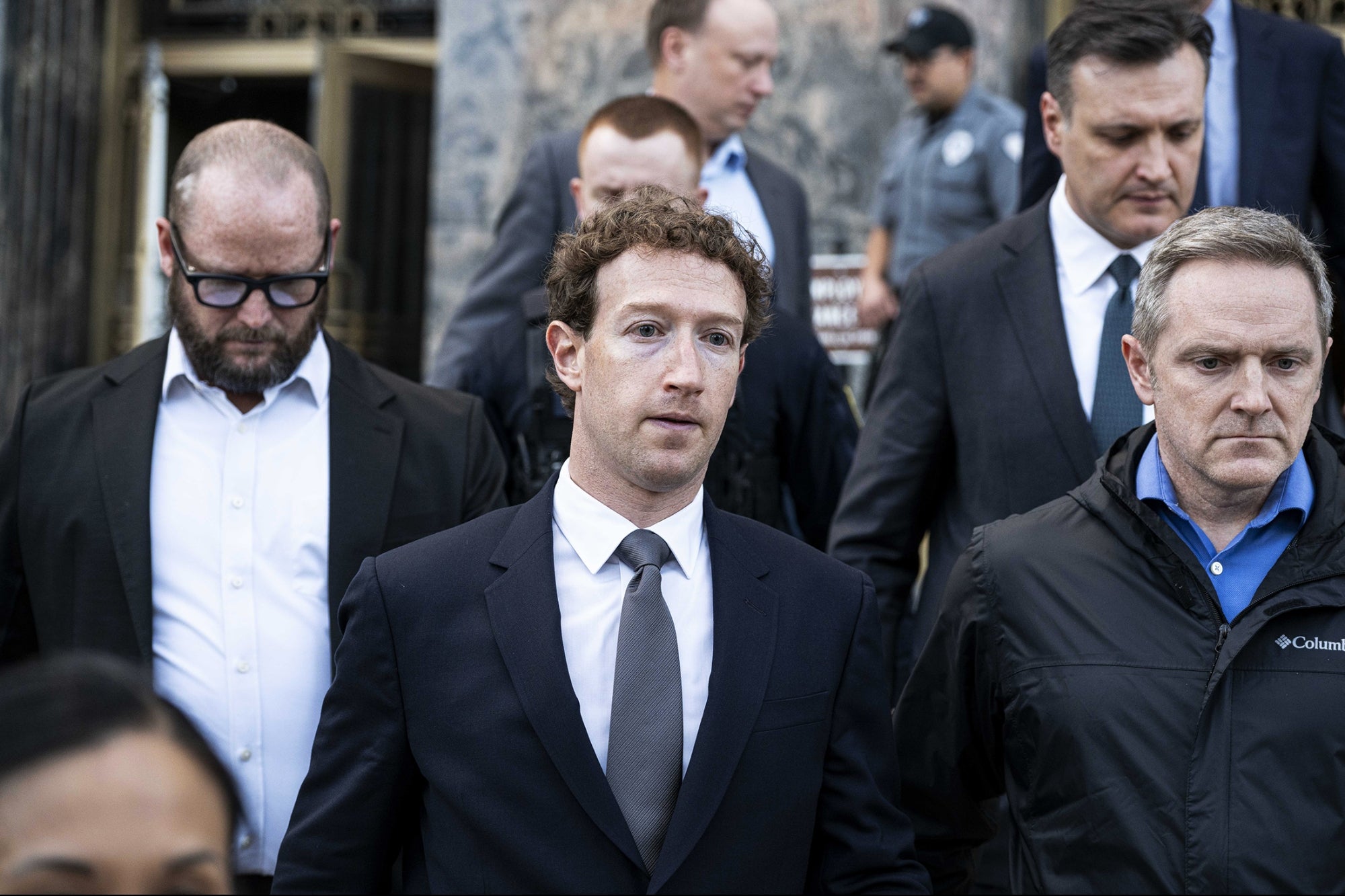
In a landmark ruling that could reshape the future of digital platforms, a jury has delivered a verdict that challenges the long-standing "platform vs. publisher" dichotomy. This decision, which stems from a high-profile case involving YouTube, is sending shockwaves through the tech industry, urging founders and platform operators to reconsider their approach to content recommendations and user moderation.
The case in question revolved around a contentious video that was recommended to viewers on YouTube, leading to significant controversy and legal action. The plaintiff, a group of individuals and organizations, argued that YouTube's algorithmic recommendations were akin to publishing the content, thereby making the platform directly responsible for its spread. The jury's verdict, while not the final word in the legal battle, has set a precedent that could force platforms to reevaluate their role in the digital ecosystem.
The traditional "platform vs. publisher" mantra has long shielded tech giants like YouTube from direct liability for the content they host. Platforms have often maintained that they are merely facilitating communication, much like a public space, and thus should not be held accountable for the specifics of the content shared by users. However, the recent ruling suggests that this distinction may no longer hold as firmly as it once did.
The jury's decision hinges on the idea that platforms like YouTube have a significant influence over what content reaches users. By employing sophisticated algorithms to recommend videos, YouTube is effectively curating the content experience for its users. This curation power, the jury implied, means that the platform has a responsibility to ensure that its recommendations do not inadvertently promote harmful or unlawful content.
This ruling is particularly significant in the context of the rapidly evolving digital landscape. As platforms become more integrated into our daily lives, their role in shaping public discourse and influencing behavior has grown exponentially. With this increased influence comes a corresponding responsibility to act as stewards of the digital realm, rather than mere passive facilitators.
For founders and platform operators, the implications of this verdict are profound. They must now treat recommendations as a measurable risk surface, much like how financial institutions assess credit risk. This means implementing robust systems to monitor and mitigate the potential harm caused by their content recommendations. It also suggests a need for greater transparency in algorithmic processes, allowing users and regulators to better understand how content is prioritized and recommended.
Moreover, this ruling could spur a wave of similar legal challenges across the industry. As more users and groups feel wronged by content recommendations, they may seek recourse through the courts, pushing platforms to adopt stricter content moderation policies and invest in better oversight mechanisms.
The landmark Meta-YouTube ruling is not just a legal milestone; it is a wake-up call for the tech industry. It underscores the need for platforms to balance their pursuit of growth and profit with their responsibility to society. As digital platforms continue to expand their influence, founders must recognize that their role extends beyond mere facilitation—they are now active participants in the shaping of our digital world.
In the coming years, we can expect to see a shift in how platforms approach content moderation and recommendation algorithms. Founders will need to prioritize accountability, transparency, and proactive risk management. This could lead to a more responsible digital ecosystem, one where platforms are not just passive observers but active stewards of online discourse.
Ultimately, the Meta-YouTube ruling serves as a reminder that the digital age demands a reevaluation of traditional notions of responsibility. As platforms become more powerful and integral to our lives, their role in the digital ecosystem must evolve to reflect their growing influence. The next era of founder responsibility will be defined by a commitment to ethical stewardship, a willingness to take accountability for recommendations, and a focus on creating a safer, more responsible digital landscape for all.








