
What the Iran War Means for China
Beijing fears American volatility more than American power.
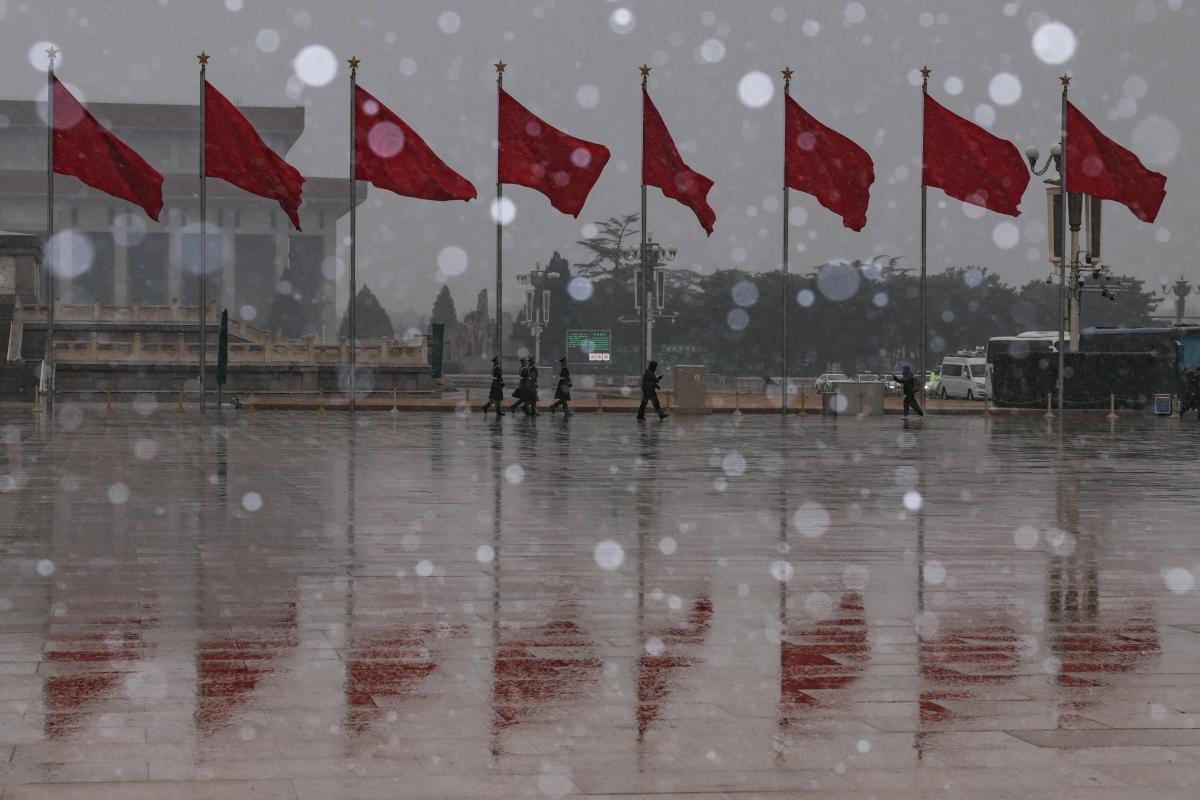
The escalating tensions in the Middle East, particularly the recent Iran War, have raised significant concerns in Beijing. As the conflict unfolds, Chinese leaders are grappling with the implications of American actions and the broader geopolitical landscape. The core of these concerns revolves around the idea that Beijing fears American volatility more than American power. This fear stems from a complex interplay of historical, economic, and strategic factors that shape China's approach to international relations.
Historically, China has experienced firsthand the consequences of unpredictable American policies. The Vietnam War, the Sino-Soviet split, and the Nixon administration's pivot to China in the 1970s all highlight the unpredictability of U.S. foreign policy. These events have left a lasting impression on Chinese policymakers, who are wary of the potential for sudden shifts in American priorities. The Iran War, with its rapid escalation and unclear trajectory, serves as a stark reminder of this volatility.
Economically, China's relationship with the United States is deeply intertwined. The two nations are the world's largest and second-largest economies, respectively, and their trade relationship is vast. However, this interdependence is fraught with tension, as seen in the trade war that erupted in 2018. The Iran War adds another layer of complexity, as it could impact global oil prices and supply chains, directly affecting China's economy. Beijing's fear of American volatility is exacerbated by the possibility of abrupt policy changes that could disrupt trade or trigger new sanctions.
Strategically, China is navigating a delicate balance in its approach to the Middle East. While it has traditionally maintained a non-aligned stance, it has increasingly engaged with Iran, viewing the country as a counterbalance to U.S. influence in the region. The Iran War, however, has complicated this dynamic. On one hand, China wants to avoid alienating the United States, its most important trade partner. On the other hand, it seeks to protect its strategic interests and investments in Iran. This dilemma underscores Beijing's apprehension about the unpredictability of American reactions, which could force China to make difficult choices.
Moreover, China's rise as a global power has made it more sensitive to shifts in the international order. The Iran War, with its potential to destabilize the Middle East, could lead to a power vacuum that the United States and its allies might fill, altering the regional balance of power. Beijing is keenly aware of the risks this poses to its own interests, particularly in the context of its Belt and Road Initiative, which passes through the region. The fear of American volatility is thus intertwined with China's broader concerns about maintaining stability and preserving its strategic advantages.
In response to these concerns, Beijing is adopting a cautious approach. It has avoided taking a clear stance on the Iran War, emphasizing instead the need for diplomatic solutions and regional stability. This strategy reflects a broader pattern of Chinese foreign policy, which prioritizes pragmatism and avoidance of direct confrontation. By distancing itself from the conflict, China can mitigate the risks associated with American volatility while safeguarding its economic and strategic interests.
However, the Iran War also presents opportunities for China. By positioning itself as a neutral mediator, Beijing can strengthen its influence in the region and demonstrate its commitment to multilateralism. This could enhance China's global standing and bolster its position in international organizations like the United Nations. Additionally, by leveraging its economic ties, China could play a role in stabilizing the region and rebuilding post-conflict economies, further solidifying its presence in the Middle East.
In conclusion, the Iran War has heightened Beijing's concerns about American volatility, a fear rooted in historical, economic, and strategic realities. As the conflict unfolds, China is navigating a delicate path, balancing its need to protect its interests against the risks posed by unpredictable U.S. actions. While the war presents challenges, it also offers opportunities for China to assert its influence and demonstrate its role as a responsible global actor. The outcome of the conflict will undoubtedly shape the trajectory of China-U.S. relations and the broader geopolitical landscape in the years to come.









