What OpenAI’s TBPN deal reveals about branded entertainment’s limits
Brands are building in-house entertainment studios on the promise that great content earns the audiences advertising can’t buy.
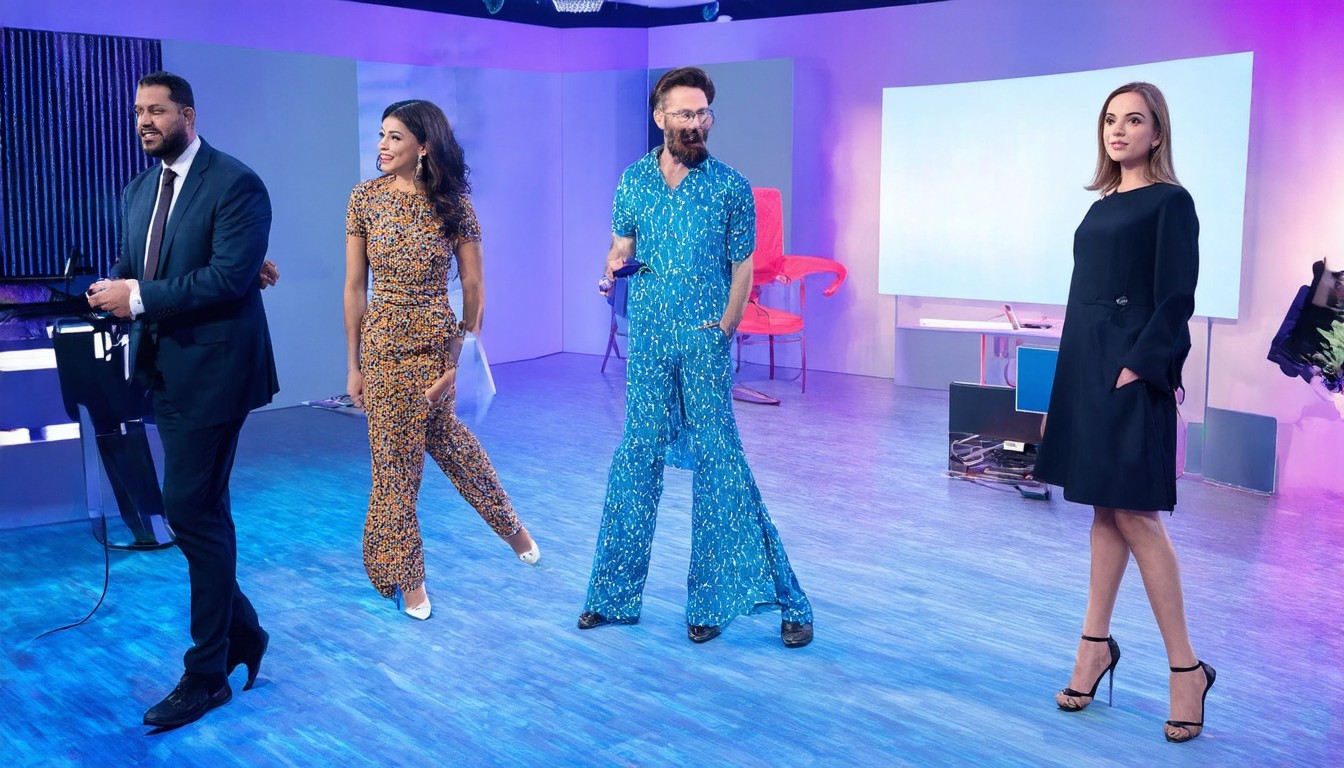
In an era where the demand for authentic and engaging content is soaring, brands are increasingly turning to in-house entertainment studios as a way to captivate audiences and bypass traditional advertising. The promise is clear: great content can earn the loyalty of viewers that paid ads alone cannot achieve. This trend has been on the rise, with companies like OpenAI recently revealing what this strategy might truly cost.
Last week, OpenAI, the AI company behind ChatGPT, announced its acquisition of TBPN, a daily tech talk show that streams live on YouTube, X, and other platforms, in a deal reportedly in the low hundreds of millions of dollars by the Financial Times. For a company that has spent the past year acquiring an AI device startup and shutting down its own video generation product, buying a three-house live show seemed, at a minimum, like an odd use of capital. However, OpenAI CEO Sam Altman sees it differently.
Altman's decision to invest in TBPN highlights the growing belief that in-house entertainment studios can offer brands a unique advantage in the competitive landscape of media consumption. By producing high-quality, branded content, companies can foster deeper connections with their audiences, build trust, and differentiate themselves from competitors. The idea is that if the content is engaging and valuable, it will naturally resonate with viewers, leading to increased brand loyalty and, ultimately, sales.
But what does OpenAI's acquisition of TBPN reveal about the limits of this approach? First and foremost, it underscores the significant financial commitment required to produce and sustain such content. While the exact figure of the deal remains undisclosed, the low hundreds of millions of dollars suggests that the cost of creating a successful in-house entertainment studio is not insignificant. This could be a barrier for many brands, particularly those with smaller budgets or less established presence in the entertainment industry.
Moreover, the acquisition raises questions about the sustainability of this strategy. While the promise of great content earning audiences that advertising can't buy is appealing, it's crucial to consider the challenges involved in producing consistently high-quality content. Factors such as audience preferences, content creation costs, and the need for continuous innovation can pose significant hurdles. The success of a branded entertainment studio is not guaranteed, and the risk of failure could be substantial.
Another aspect that the OpenAI-TBPN deal brings to light is the potential for disruption in the traditional media landscape. As more brands invest in in-house entertainment studios, they may begin to challenge the dominance of established media outlets. This could lead to a fragmented market, with audiences being bombarded by a plethora of branded content. While this might increase competition, it could also result in a dilution of the quality and diversity of content available to viewers.
Furthermore, the rise of branded entertainment studios raises concerns about the authenticity and intent of the content. With the primary goal of promoting a brand, there is a risk that the content may become overly commercialized, prioritizing brand messaging over genuine engagement with the audience. This could lead to a backlash from viewers who grow weary of the constant promotion and seek out more authentic, unbranded content.
In conclusion, OpenAI's acquisition of TBPN serves as a stark reminder of the financial and strategic challenges inherent in the branded entertainment space. While the promise of great content earning audiences that advertising can't buy is enticing, the reality is that sustaining such a strategy requires substantial resources and careful planning. As more companies explore this avenue, it will be crucial to navigate the complexities of content creation, audience engagement, and brand messaging to ensure the long-term success of in-house entertainment studios.